Slovenia’s leading tourist destinations are entering the new season with cautious optimism, as industry stakeholders expect solid visitor numbers while increasingly prioritizing sustainability and quality over mass growth.
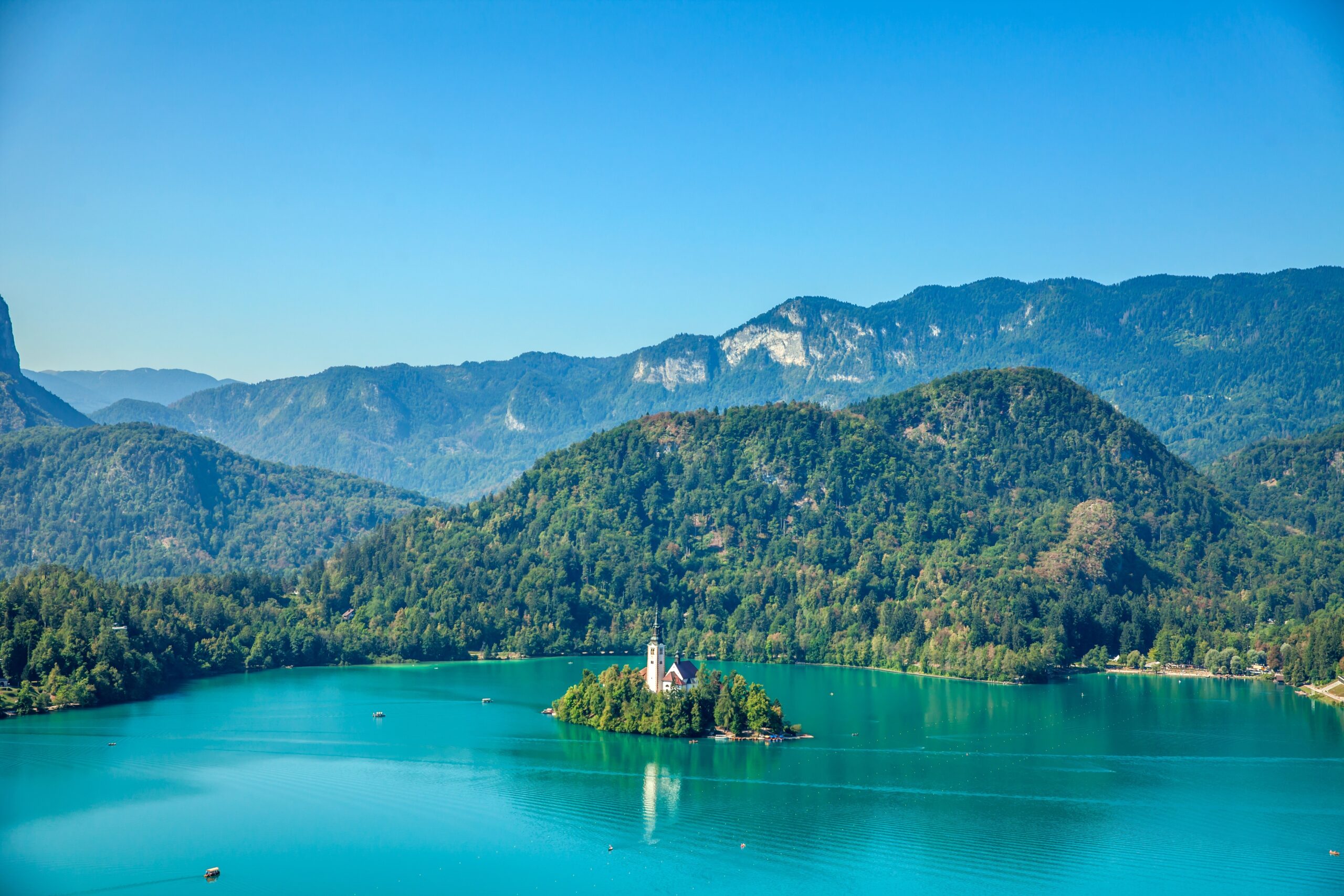
After a record-breaking 2025, when nearly 7 million tourists visited the country and generated around 17.8 million overnight stays, expectations for the upcoming season remain positive, particularly across key destinations such as Ljubljana, Bled, and coastal areas like Piran.
Tourism officials and local representatives indicate that demand continues to be strong, driven by Slovenia’s reputation as a safe, green, and diverse destination. However, the focus is shifting away from sheer volume toward higher-value tourism and improved visitor experience.
Shift Toward Year-Round Tourism
One of the key trends shaping this season is the gradual reduction of seasonality. While summer remains the peak period, recent data show growing interest in spring and autumn travel, suggesting a more even distribution of visitors throughout the year.
This shift eases pressure on the most popular sites while boosting lesser-known regions. Industry experts highlight that tourists are increasingly exploring alternative destinations beyond traditional hotspots, contributing to more balanced regional development.
Challenges Behind the Growth
Despite positive forecasts, the sector is not without challenges. Labor shortages remain one of the most pressing issues, affecting service capacity during peak months. At the same time, infrastructure and environmental concerns continue to shape long-term planning.
Authorities and tourism operators are therefore emphasizing controlled growth, aiming to avoid the negative effects of overtourism seen in other European destinations.
Sustainability at the Core
Sustainability remains central to Slovenia’s tourism strategy. The country has built a strong international image as a “green” destination, and future development is expected to follow that path, with investments in eco-friendly infrastructure, local experiences, and cultural heritage.
Visitor satisfaction also remains high, with Slovenia consistently receiving strong ratings for overall travel experience, which reinforces confidence in the sector’s direction.
Overall, the upcoming season is expected to deliver stable growth rather than dramatic increases. Tourism stakeholders appear aligned in their goal: maintaining competitiveness while preserving the country’s natural and cultural assets.
As a result, Slovenia’s tourism model is increasingly defined not by how many visitors it attracts, but by the quality, sustainability, and long-term value of the experience it offers.