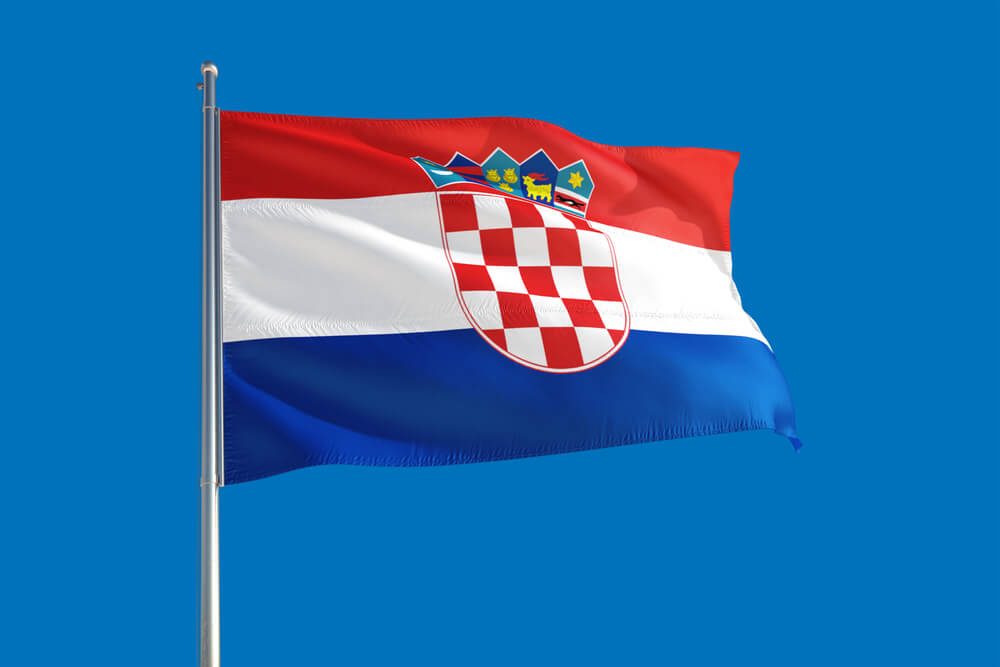
Croatia is facing a significant labor shortage, with estimates indicating that around 95,000 workers are currently needed across various sectors, particularly in tourism, hospitality, and services, where demand continues to outpace the available domestic workforce. The shortage is most visible in professions such as waiters and chefs, which are consistently identified as the most difficult positions to fill, especially ahead of the peak tourist season.
The situation reflects a broader structural problem in the Croatian labor market, where employers are increasingly struggling to secure sufficient staff to maintain service quality. Reports highlight that the lack of domestic workers has become a long-term trend, driven in part by emigration and the growing reluctance of local workers to accept seasonal or lower-paid positions. As a result, businesses must intensify their recruitment efforts well in advance and adjust their expectations regarding experience and qualifications.
Data and assessments from the sector show that hospitality remains one of the most affected industries, with restaurants, hotels, and tourism operators under particular pressure. Positions such as cooks, waiters, pastry chefs, and other service roles are in constant shortage, requiring employers to rely heavily on foreign labor.
The demand for seasonal workers alone is estimated at tens of thousands each year, with projections indicating around 65,000 workers needed just for the tourism season, further illustrating the scale of the gap between supply and demand.
To address the shortage, employers are increasingly turning to foreign workers, with recruitment extending beyond neighboring countries to more distant labor markets. At the same time, companies are offering higher wages, accommodation, and additional benefits in an attempt to attract and retain staff. However, despite these efforts, the imbalance remains, particularly in key service roles that are essential to Croatia’s tourism-driven economy.
Overall, the labor shortage is being described as one of the central economic challenges for Croatia, with the hospitality sector at its core. The combination of strong tourism demand and limited workforce availability continues to create pressure on businesses, forcing structural adjustments in hiring practices and increasing reliance on foreign labor to sustain operations.