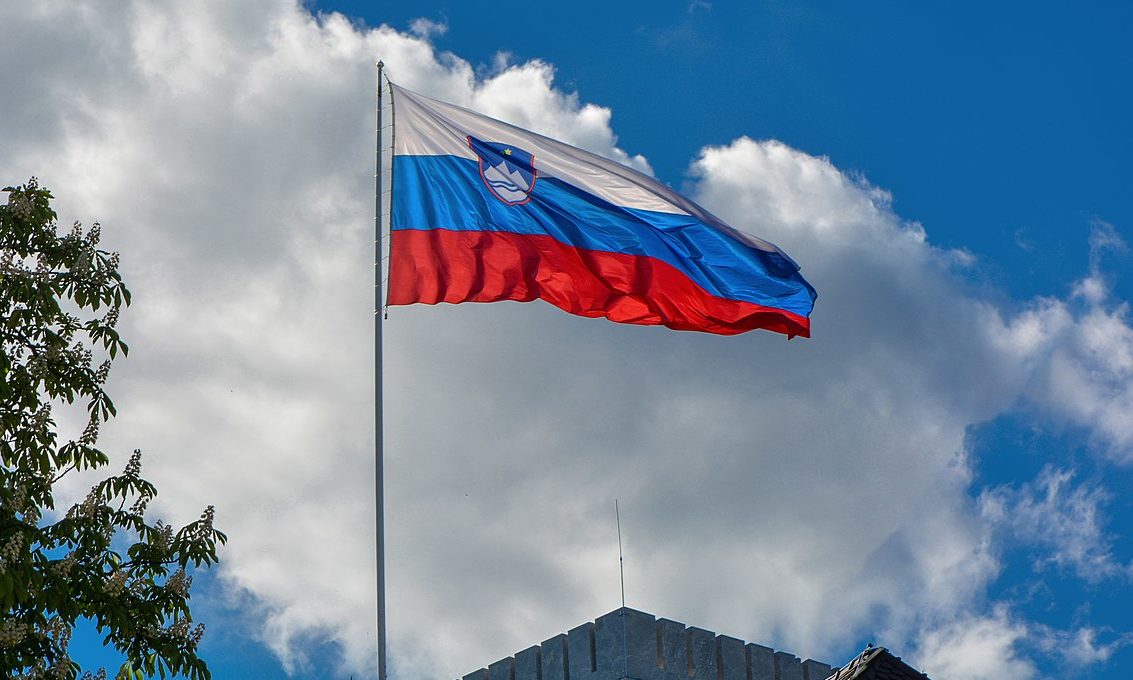
The Slovenian government is considering models to reduce value-added tax on basic food products as part of a broader response to the consequences of the energy crisis and mounting pressure over food prices. Food in Slovenia is currently taxed at a 9.5 percent VAT rate, which the reports describe as one of the highest compared with neighboring countries, and the issue has gained added attention as more Slovenians increasingly shop in Italy and Austria in search of lower prices.
According to the reports, the government discussed starting points for intervention measures on Thursday, and Agriculture Minister Mateja Čalušić mentioned a VAT reduction on basic food products as one of the available options. The expectation behind such a move is that it could help lower food prices, although economists cited in the articles warn that a lower VAT rate does not necessarily mean cheaper food for consumers.
Economist Maks Tajnikar is quoted as saying that demand in some segments in Slovenia remains forceful, especially for food and transport, and that a VAT cut would not automatically lower prices or stop their growth. In his view, such a measure could instead benefit sellers by making it easier to pass costs on to buyers. The reports also cite the Finance Ministry, which said two months ago that historical analyses show VAT cuts usually do not lead to a corresponding decline in retail prices, because the tax reduction is often absorbed into a higher pre-tax price while the final price for consumers remains unchanged.
Retailers, however, said they would not increase retail prices in the event of a VAT cut, while the president of the Chamber of Commerce and Industry of Slovenia, Maja Lah, warned that increases in final food prices usually come with a delay. She said the first proposals for higher transport service prices could arrive by the end of April, while other price increases along the supply chain would come later.
The comparison with neighboring countries remains central to the debate. In Italy, VAT on some products has been reduced to between 4 and 10 percent, while in Austria it is expected to be reduced to between 5 and 10 percent from July 1. The reports say Slovenians often cross the border to shop because of higher food prices at home, and a comparison of 12 randomly selected products found that shoppers would generally pay less for those items in Austria, although the outcome also depends on current promotional prices.