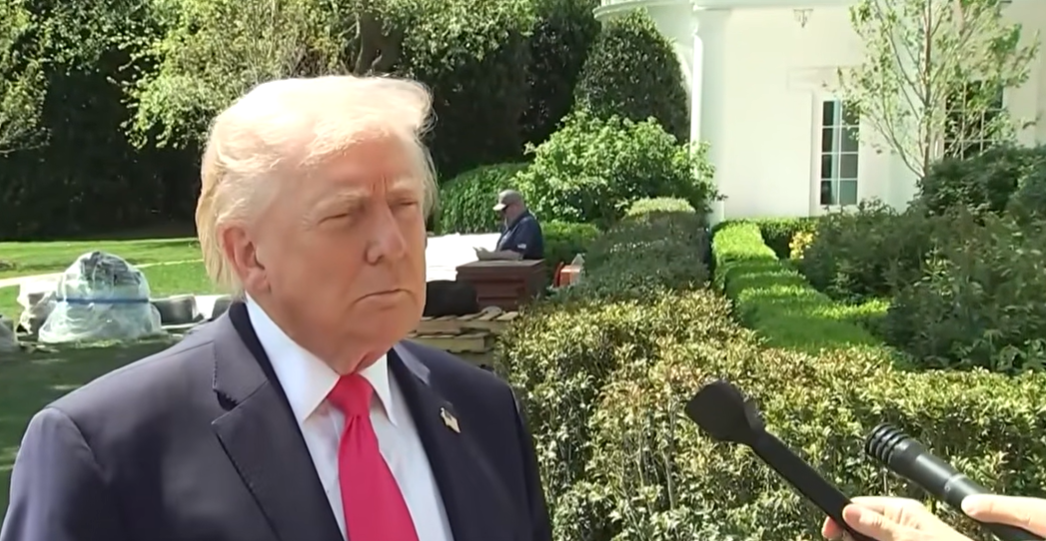
U.S. President Donald Trump said he sees a strong possibility of reaching a more durable agreement with Iran, as Washington and Tehran continue discussions over extending the current ceasefire before it expires next week. Speaking at the White House on Thursday, Trump said a deal now appeared increasingly achievable and suggested that further talks could continue over the weekend.
Trump portrayed the negotiations as moving quickly and claimed Iran had shown readiness to accept terms it had long resisted, including limits related to its nuclear program and the transfer of atomic material. Tehran has not publicly confirmed those concessions, leaving a gap between the U.S. president’s public confidence and the official position on the Iranian side.
Even as Trump projected confidence in a rapid breakthrough, other officials and diplomats appear to be preparing for a longer process. According to reporting on the ongoing diplomacy, some international actors believe the ceasefire may need to be extended in order to create enough political space for a broader settlement. The central disputes remain unresolved, especially around Iran’s nuclear activities and the wider regional security framework.
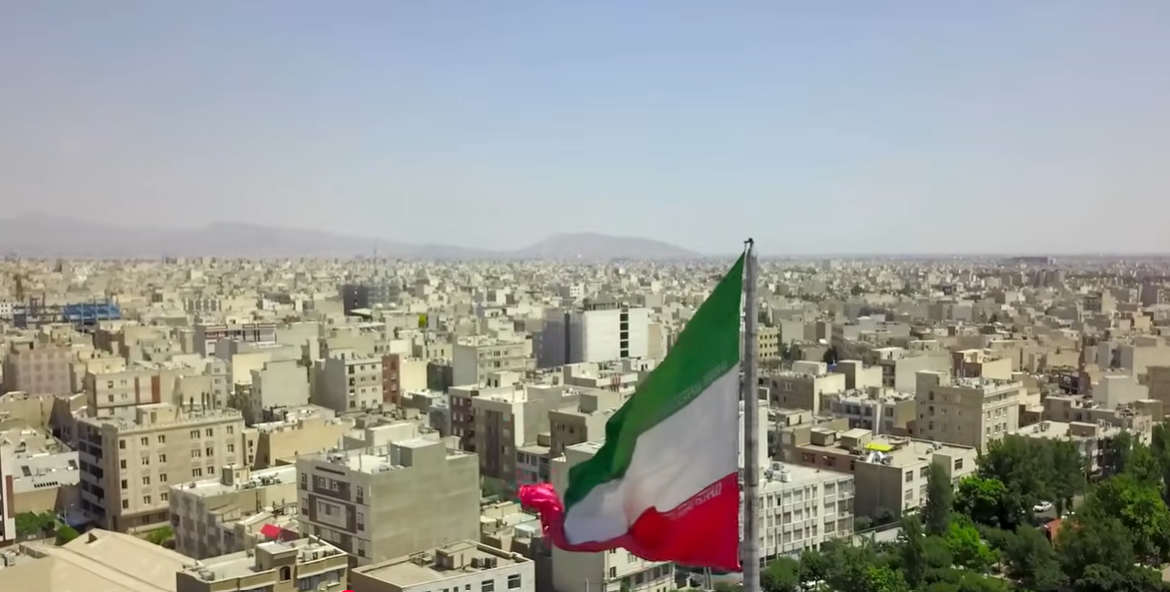

At the same time, the conflict’s regional dimension remains highly sensitive. Trump announced that Israel and Lebanon had agreed to a 10-day ceasefire, describing it as part of a wider attempt to calm tensions and create momentum for diplomacy. Israeli Prime Minister Benjamin Netanyahu confirmed the truce, while the United States said it could be extended by mutual agreement if talks continue.
The Lebanon track matters because it intersects directly with the larger confrontation involving Iran and Hezbollah. Recent Israeli operations in southern Lebanon had threatened to spill over into the already fragile Iran-related ceasefire, and diplomats appear to view the Lebanese front as critical to preventing a wider relapse into conflict.
The diplomatic effort is also unfolding against the backdrop of severe pressure on global energy markets. Oil prices have reacted sharply to uncertainty surrounding the Strait of Hormuz, one of the world’s most important energy transit routes. International concern has grown over the continued disruption there, with European governments discussing possible maritime coordination while waiting to see whether broader negotiations can reduce the immediate risk.
For now, the direction of the talks remains uncertain. Public statements from Washington suggest momentum, while signals from other parties indicate that major obstacles remain. What is clear is that neither side appears eager to return immediately to full-scale confrontation, and that the coming days will be decisive in showing whether the current pause can evolve into something more lasting.