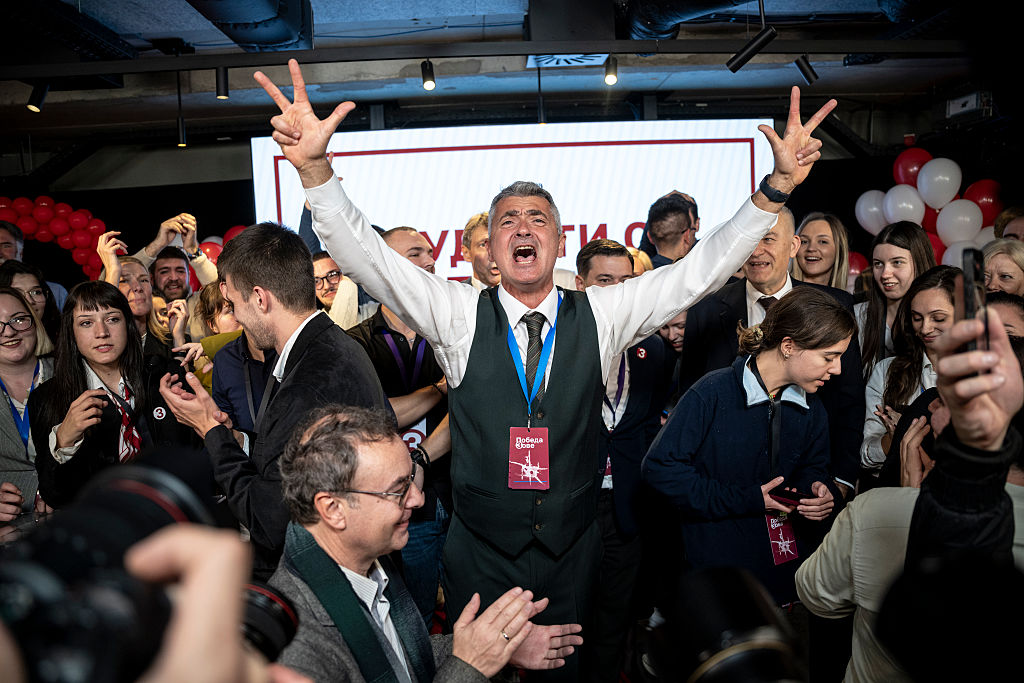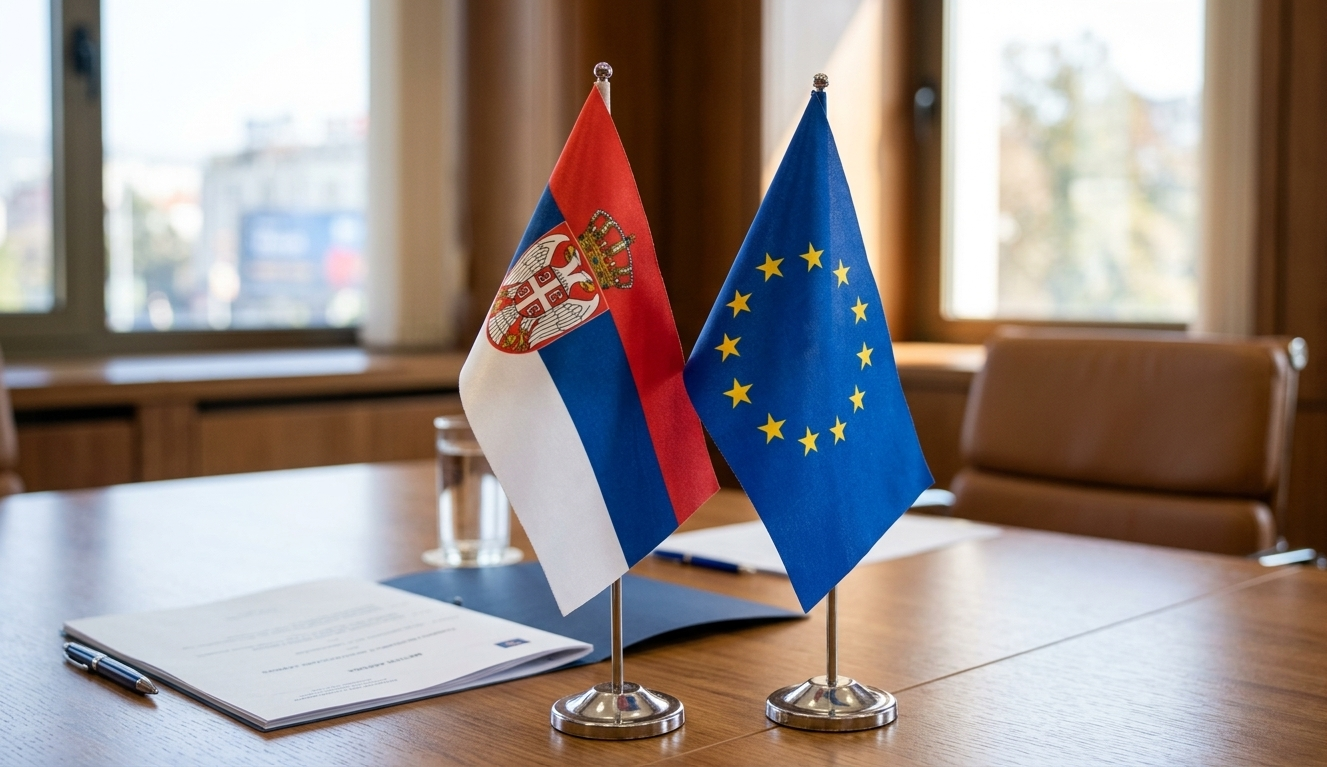
The European Parliament is taking an increasingly hardline stance toward Serbia as the Committee on Foreign Affairs (AFET) reviews 531 amendments to a draft report on the country’s EU accession progress. The amendments, submitted by MEPs across the political spectrum, signal growing frustration with President Aleksandar Vučić’s government over its refusal to align with EU sanctions against Russia, widespread corruption, and escalating repression against protesters and journalists. The draft report, prepared by Serbia rapporteur Tonino Picula, already concluded that Serbia’s EU entry progress has “stalled in recent years” with primary concerns centered on the “state of democracy and rule of law”.
The amendments reveal a European Parliament deeply divided but critical of Belgrade. The center right European People’s Party, the largest group, focused its amendments on rule of law issues and condemned provocative speech toward neighboring countries. The Social Democrats, the second largest coalition partner, went further by criticizing government propaganda and demanding accountability for the 2023 Banjska attack in northern Kosovo. The liberal Renew Europe group, which tabled the resolution, strongly criticized Russian influence and attacks on media freedom, with MEPs calling for targeted individual sanctions against officials responsible for violence. The Greens emphasized police violence against Serbian citizens during protests and demanded suspension of EU funds allocated to authorities. Meanwhile, far right groups including the Europe of Sovereign Nations and Patriots for Europe, led by Viktor Orbán’s Fidesz, adopted pro government positions urging the EU to “not interfere” in Serbia’s internal affairs and supporting faster EU expansion for Belgrade.
The amendments address specific incidents that have strained relations between EU and Serbia. MEPs condemned statements by Serbian Information Minister Boris Bratina that police can “beat and kill,” highlighted growing polarization following the appointment of Manja Grčić, described as close to the ruling Serbian Progressive Party, as RTS director, and praised the resignations of Prime Minister Miloš Vučević and Novi Sad Mayor Milan Đurić as “acts of political responsibility” following the November 2024 Novi Sad station tragedy that killed 16 people. The tragedy, caused by the collapse of a newly renovated concrete roof, triggered unprecedented nationwide student led protests demanding justice, institutional accountability, and snap elections. The European Parliament resolution adopted in October 2025 with 457 votes in favor condemned the authorities’ unsupported claims that terrorism or sabotage caused the collapse, noting that one year later investigations had not progressed.
The European Parliament’s October 2025 resolution marked a turning point in EU response to the protests, which have been largely peaceful despite violent incidents in mid 2025. The document condemned “state-influenced violence, intimidation and indiscriminate arrests against peaceful protesters, journalists, civil society organizations and opposition representatives,” as well as smear campaigns and abusive use of personal data to discredit protesters. MEPs expressed full solidarity with peaceful protesters and welcomed the shortlisting of Serbian students as finalists for the 2025 Sakharov Prize for Freedom of Thought. The resolution also called for an independent investigation into reports that police used sonic weapons against demonstrators during Serbia’s historic Vidovdan holiday protest in June 2025, which drew an estimated 140,000 participants.
The AFET committee will meet on May 6 to negotiate which amendments will form the core of Picula’s text, with the full report expected to reach the European Parliament during the July 6-9 plenary session in Strasbourg. The debate is scheduled for July 7, with voting the following afternoon. While European Parliament resolutions are not legally binding, they carry significant political weight and serve as key reference documents for the European Commission’s annual progress reports on candidate countries. The European Commission’s 2025 Enlargement Package presented in November already delivered the “harshest” evaluation of Serbia to date, with Commissioner Marta Kos stating that reform implementation has “slowed down significantly” and warning Serbian politicians to stop accusing the EU of orchestrating anti government protests .