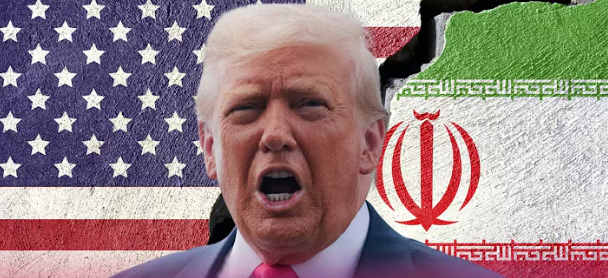
Tensions between Washington and Tehran escalated further after U.S. President Donald Trump said American forces had intercepted and taken control of an Iranian-flagged cargo ship in Gulf waters during the ongoing naval blockade.
In a public statement, Trump said the vessel, identified as the Touska, was stopped after it failed to comply with warnings from the U.S. Navy. He said the ship was already under U.S. Treasury sanctions because of what he described as a previous record of illegal activity, and added that American authorities now had full custody of the vessel and were inspecting its cargo.
U.S. Central Command later released footage it said showed the interception of a cargo ship at sea, including gunfire directed toward the vessel. Trump claimed the ship had attempted to pass through the blockade and was disabled after ignoring orders to stop.
Iran responded by accusing the United States of violating the ceasefire and described the incident as an act of armed piracy. A spokesperson for Iran’s Khatam al-Anbiya military headquarters said U.S. forces opened fire on a commercial vessel in the waters off Oman, disabled its navigation, and boarded it with marines. Tehran warned that it would respond.
The confrontation comes at a delicate moment, as diplomatic efforts remain uncertain. The White House said Vice President JD Vance would lead a new U.S. delegation to Pakistan for another round of talks aimed at ending the war with Iran. Steve Witkoff and Jared Kushner were also expected to be part of the delegation. But Iranian state media pushed back on reports that a second round of negotiations had been agreed, saying ongoing U.S. pressure, including the naval blockade, was obstructing progress.
Pakistan, which has been acting as an intermediary, has already begun preparations in Islamabad, where last weekend’s talks were held. Still, no formal confirmation of Iranian participation has been made public.
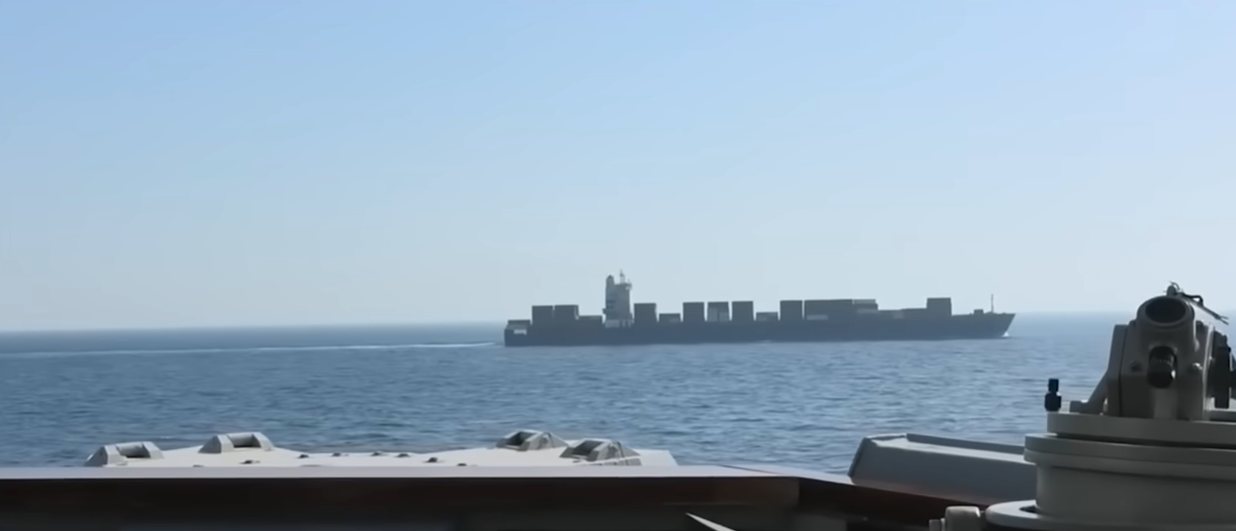

The ceasefire itself remains fragile. Trump has said the U.S. blockade of Iranian ports will continue until an agreement is reached. Iran, meanwhile, has kept the Strait of Hormuz closed, insisting the waterway will not reopen as long as the blockade remains in force. The strait is one of the world’s most important energy corridors, carrying about a fifth of global oil and liquefied natural gas shipments, and the disruption has added to pressure on international energy markets.
Trump has also accused Iran of attacking ships in the strait during the ceasefire period. One French-linked vessel was confirmed to have come under warning fire, while maritime agencies also reported separate attacks involving a tanker and a cargo ship. India said two of its flagged ships were involved in a shooting incident in the area. Shipping data showed traffic through Hormuz remained effectively frozen.
The latest seizure underscores how quickly the situation can shift from tentative diplomacy to direct confrontation. With negotiations still uncertain, the naval blockade in place, and maritime traffic heavily disrupted, the standoff between the United States and Iran is entering an even more volatile phase.