The United States has given Iran only a short period to clarify its negotiating position and re-enter diplomatic talks, as uncertainty grows over whether the current ceasefire can hold. According to the latest information, the Trump administration is prepared to extend the truce for several more days, giving Tehran limited time to present a concrete response on both the conflict and the issue of its nuclear program.
Reports suggest internal disagreements within Iran have become more visible following the first round of discussions in Islamabad. According to those accounts, members of the Revolutionary Guard rejected parts of the proposals discussed by Iranian diplomats, exposing a widening gap between the country’s political negotiators and its military leadership.
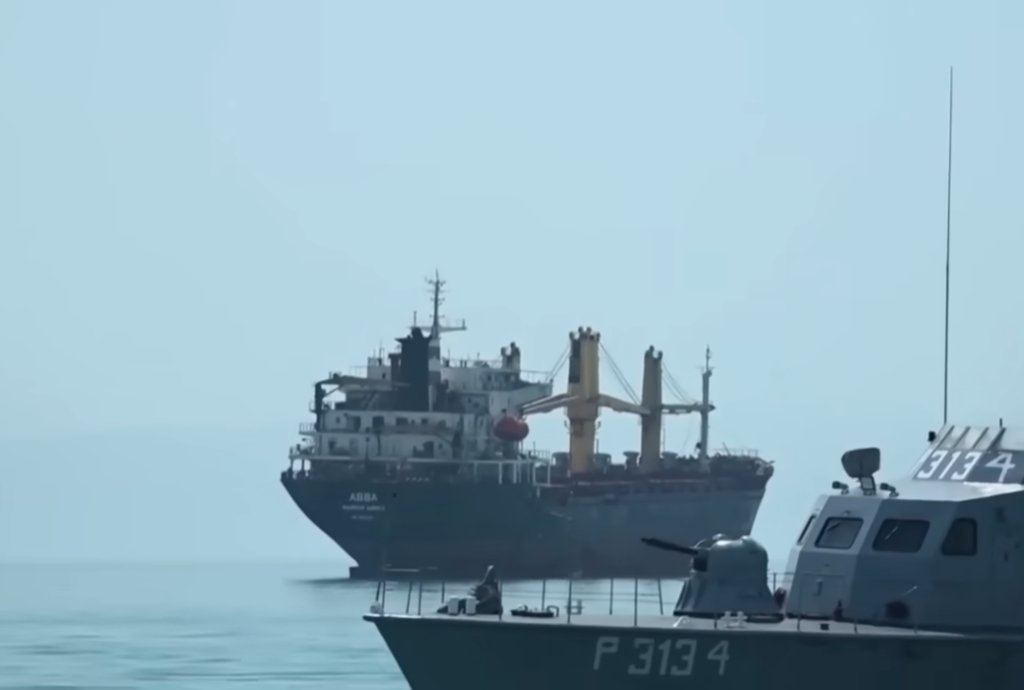
Additional strain has reportedly emerged over the question of the Strait of Hormuz. Iranian Foreign Minister Abbas Araghchi is said to have supported reopening the key maritime route, while elements of the military establishment opposed such a move. That disagreement has added further uncertainty to an already fragile process.
Because of the lack of a unified position in Tehran, a new round of talks in Pakistan was reportedly postponed. U.S. Vice President JD Vance had been expected to take part. At the same time, sources on the American side say some White House advisers considered the possibility of major strikes on Iran’s energy infrastructure, although Trump ultimately chose to leave room for diplomacy before taking further action.
Washington’s message remains direct: if mediators fail to bring Iran back to the table within the next few days, military options could return to the forefront. The short extension now under discussion may prove decisive in determining whether the ceasefire survives or the region slips back into confrontation.
U.S. officials also claim that Iran’s leadership is divided at the highest levels, with tensions between civilian negotiators and the command structure of the Islamic Revolutionary Guard Corps. Complicating matters further, they say, is the limited communication between Iran’s supreme leadership and those involved in the talks, making coordination more difficult and future decisions harder to predict.