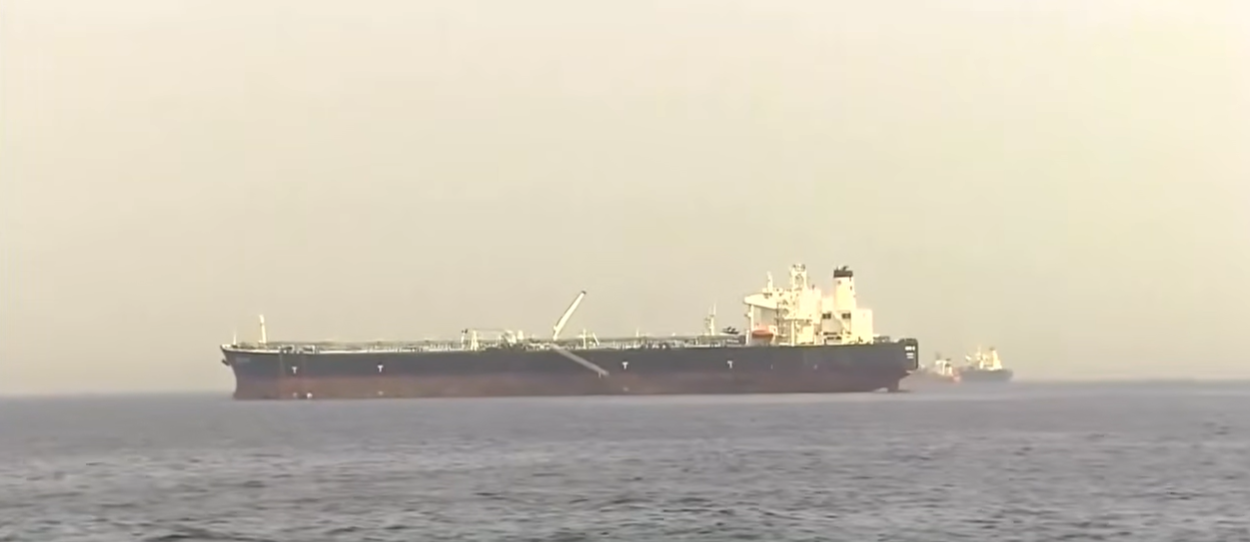
Iran says it has begun receiving income from transit charges imposed on ships passing through the Strait of Hormuz, signaling a new phase in its effort to assert greater control over one of the world’s most strategically important energy corridors.
According to Iranian media, the first payments collected under the new system have already been deposited into the account of the country’s central bank. Officials said the amount charged depends on several factors, including the type of cargo, the volume being transported and the level of risk assigned to each vessel. Tehran is also reported to be setting the tariffs and the payment procedures itself.
No official figures have yet been released on how many ships have paid the new fees.
Previous reports indicated that Iran had been moving toward a more formal system of regulating transit through the waterway. In recent weeks, international media reported that vessels could be required to arrange payments in advance with Iranian authorities, with some transactions potentially handled in Chinese yuan or cryptocurrencies.
Iranian outlets had also earlier reported that lawmakers were considering legal measures that would require states to pay for the passage of ships through the narrow maritime route.
Shipping through the Strait of Hormuz has faced growing disruption since the outbreak of the US-Israeli conflict with Iran at the end of February. The situation has added pressure to global energy markets and raised concerns over the long-term impact on oil transport and regional stability.
The development comes shortly after US President Donald Trump announced an extension of the ceasefire with Iran, a move seen as an attempt to contain further escalation in the region.