The City and County of Denver will be required to pay $14 million to a group of protesters after a federal appeals court upheld findings that police used unconstitutional force during the 2020 demonstrations that followed the killing of George Floyd.
In its decision, the U.S. Court of Appeals for the 10th Circuit backed an earlier ruling that determined officers violated the First and Fourth Amendment rights of 12 protesters through excessive and unjustified force. The court also agreed that the city could be held responsible for those violations.
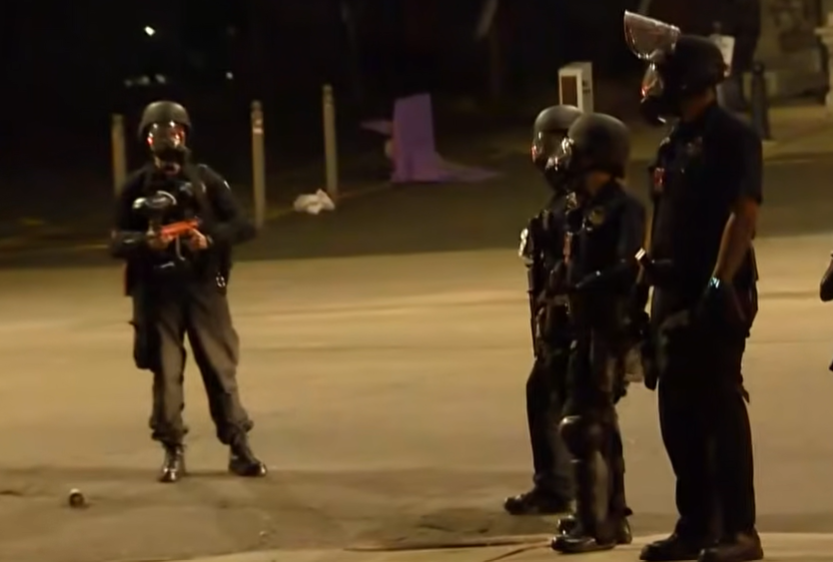
According to the ruling, Denver police and assisting agencies used force broadly against people who were engaged in peaceful protest. The court found that less-lethal weapons, including tear gas, pepper balls, rubber bullets and bean bag rounds, were deployed repeatedly and, in some cases, without sufficient warning.
Court records described a range of injuries suffered by protesters involved in the case. One individual was reportedly struck in the head with a bean bag round, resulting in a fractured skull, a broken neck and loss of consciousness.
The appeals court also supported findings that the police department failed to properly prepare officers for protest response. Judges pointed to evidence showing that certain weapons were issued to officers without adequate training, while their use was not consistently tracked. The ruling further noted that officers were not required in all cases to activate body cameras or formally document force incidents in the way normally expected.
Denver had challenged the earlier verdict, arguing that the jury had not been properly instructed and that the court should not have allowed testimony from a former independent monitor. The appeals court rejected those arguments. The city had also maintained that officers acted reasonably under difficult and unusual circumstances, but the court did not accept that position.
In a related decision, the court also upheld a finding that Denver police officer Jonathan Christian violated the constitutional rights of former state Representative Elisabeth Epps by shooting her with pepper balls during the protests. However, the damages in that case were reduced from $250,000 to $50,000.
The Denver Police Department did not comment on the latest rulings. In previous statements, the department said it had introduced changes after the 2020 protests, including stricter body camera requirements during demonstrations and improved tracking of force incidents.
The ACLU of Colorado welcomed the decision, describing it as a significant step toward accountability for police actions during public protests. Meanwhile, the city attorney’s office had not issued a public response at the time of reporting.
The ruling adds to the broader financial and legal consequences Denver has faced over its handling of the 2020 unrest. By June 2025, the city had already paid more than $18 million in protest-related settlements.