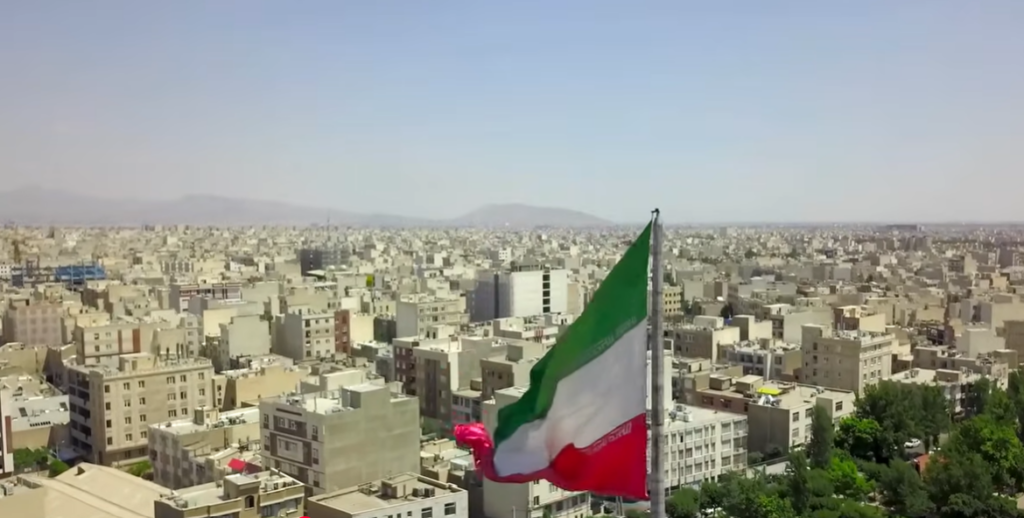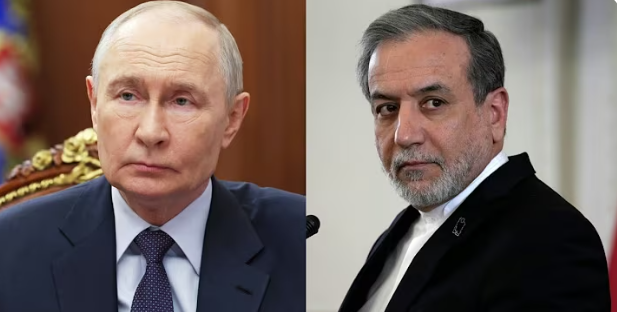
Iranian Foreign Minister Abbas Araghchi arrived in St. Petersburg on Monday for talks with Russian President Vladimir Putin, as Tehran steps up its diplomatic efforts following an intense weekend of mediation aimed at containing the war involving the United States and Israel. Iranian and international reports said Araghchi’s visit follows earlier stops in Oman and Pakistan, both of which have been involved in attempts to revive negotiations.
Before meeting Putin, Araghchi said consultations and coordination with Russia would be especially important at this stage and described the visit as an opportunity to review the latest developments in the war. His trip underlines Iran’s effort to consolidate support from a key strategic partner at a moment when formal diplomacy with Washington remains stalled.
The visit comes after hopes for renewed talks suffered another setback. President Donald Trump signaled Iran could resume contact if it wanted to negotiate, but the U.S. also canceled a planned diplomatic trip to Islamabad after concluding that Tehran had not presented sufficiently workable proposals.
Even so, indirect channels remain active. Axios reported that Iran sent written messages to the United States through Pakistani mediators setting out its red lines, including issues tied to its nuclear program and the Strait of Hormuz. The same report said Tehran floated a proposal that would reopen Hormuz and end hostilities while postponing nuclear negotiations to a later stage.
Although the ceasefire between Iran and the United States has so far held, the wider economic fallout remains severe. Reuters noted that the Strait of Hormuz remains effectively shut down, a development that continues to disrupt global oil flows and add pressure to international markets.
Araghchi’s arrival in Russia therefore reflects more than a routine diplomatic stop. It is part of a broader Iranian effort to strengthen its position, keep external support intact, and search for leverage as the conflict enters a stage where military pressure and fragile backchannel diplomacy are unfolding at the same time.