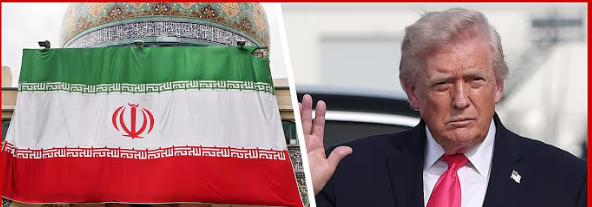
U.S. President Donald Trump has held talks with his senior security advisers over a new Iranian proposal aimed at ending the war in the Middle East, according to reports cited by The Guardian.
The proposal was discussed during a meeting of the U.S. National Security Council, as diplomatic efforts continue amid a fragile and uncertain regional ceasefire. While the White House has not released the full details of Tehran’s offer, officials made clear that Washington’s core demands remain unchanged.
Speaking at a press briefing, White House Press Secretary Karoline Leavitt said President Trump’s “red lines” on Iran are already well known to both the American public and Tehran. She pointed to two central conditions: the reopening of the Strait of Hormuz and Iran’s abandonment of its nuclear program.
“The president’s red lines on Iran remain the same and they are clear,” Leavitt said, adding that the issue had been discussed by officials but that further details would come directly from the president.
The latest diplomatic activity comes after weeks of military and political escalation. The United States and Israel launched attacks on Iran on February 28 under the operation named “Epic Fury.” During the first day of strikes, Iran’s Supreme Leader Ali Khamenei was reported killed, deepening the crisis and raising fears of a wider regional war.
A ceasefire between the United States and Iran entered into force on April 8 and was later extended on April 22. However, tensions have remained high, particularly around the Strait of Hormuz, one of the world’s most important maritime routes for oil and gas shipments.
The U.S. Navy has been blocking access routes toward the Strait of Hormuz and Iranian ports since April 13, following unsuccessful talks in Pakistan. The waterway was briefly reopened between April 17 and April 18, before being closed again.
At the same time, a temporary ceasefire between Israel and Lebanon has been in place since April 16, although the broader security situation in the region remains unstable.
For now, the Iranian proposal appears to be part of ongoing efforts to prevent the conflict from expanding further. But the White House’s message suggests that any agreement will depend on whether Tehran is prepared to meet Washington’s conditions on maritime access and nuclear policy.