Oil prices continued to rise on Tuesday as investors watched developments in the Middle East, where uncertainty over the conflict and the future of shipping through the Strait of Hormuz continues to dominate global market sentiment.
The increase came as financial markets also weighed broader economic risks, including inflationary pressure, weaker growth prospects and monetary policy signals from the Bank of Japan. However, energy markets remained focused mainly on the Gulf, where any disruption to shipping routes can quickly affect global supply.
Brent crude futures rose by around 1 percent to $109.52 per barrel, while U.S. West Texas Intermediate traded near $97.47 per barrel. Both benchmarks remain well above their levels before the latest escalation in the region.
The Strait of Hormuz remains the central concern. The waterway is one of the most important energy corridors in the world, normally carrying around one fifth of global oil and gas shipments. Since the escalation of tensions, traffic through the route has been sharply reduced, raising fears of further pressure on energy prices.
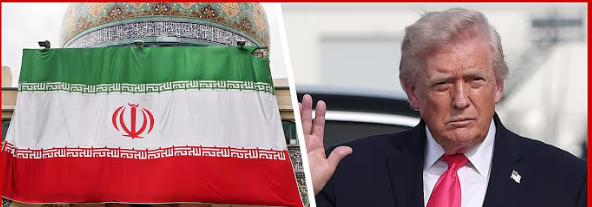
At the same time, U.S. President Donald Trump has convened a meeting to review a new Iranian proposal aimed at ending the conflict. The White House has indicated that Washington’s core conditions remain unchanged, including preventing Iran from obtaining nuclear weapons and restoring secure maritime traffic through the region.
Although the ceasefire agreed in early April has largely held, the blockade around the Strait of Hormuz has kept markets nervous. The disruption has affected the movement of crude oil, natural gas and refined petroleum products, increasing concerns that higher energy costs could feed into a wider inflation problem.
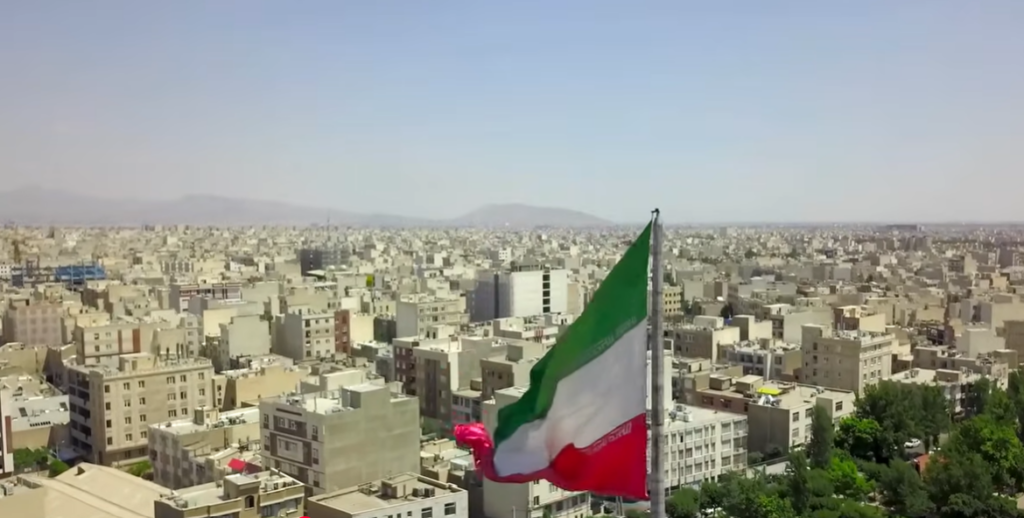
Iranian media reported that Foreign Minister Abbas Araghchi is expected to inform Pakistani mediators that Tehran sees a path toward ending the conflict if the United States lifts its naval blockade, accepts a new legal framework for navigation through the Strait of Hormuz and provides guarantees against future military action against Iran.
For now, markets appear to be pricing in continued uncertainty. Any sign of progress in the talks could ease pressure on oil prices, but a prolonged closure or renewed military escalation would likely deepen the energy shock and increase risks for the global economy.