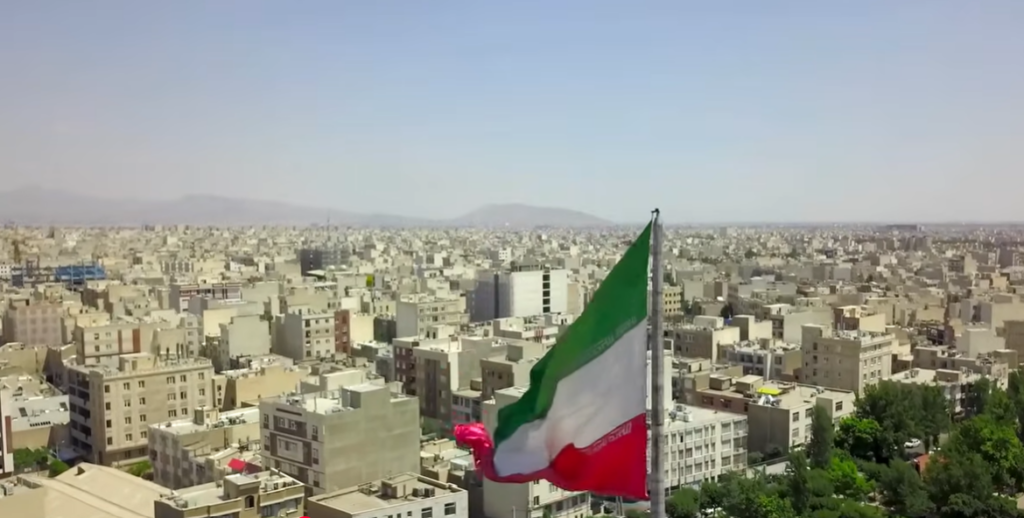
Iran has sent a new proposal to Washington aimed at reopening the Strait of Hormuz, as pressure grows on global energy markets and fears deepen over the economic consequences of the blocked maritime route.
According to regional officials familiar with the talks, Tehran is prepared to ease the crisis in one of the world’s most important shipping corridors, but only if the United States ends its blockade and moves toward ending the war. The proposal was reportedly delivered through Pakistan, which has been acting as a mediator between the two sides.
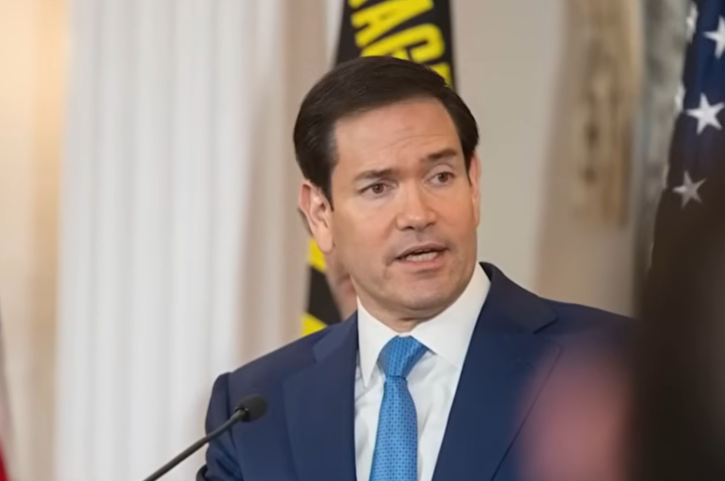
The offer would separate the immediate maritime crisis from the broader dispute over Iran’s nuclear program, leaving nuclear negotiations for a later stage. That point, however, remains the biggest obstacle. U.S. Secretary of State Marco Rubio has made clear that Washington does not want any agreement that leaves the nuclear issue unresolved.
Speaking to Fox News, Rubio said any deal must ensure that Iran is permanently prevented from developing nuclear weapons. His comments suggest that the U.S. administration is not ready to accept a narrow agreement focused only on shipping and energy flows.
Although a fragile ceasefire between the United States and Iran remains formally in place, tensions around the Strait of Hormuz remain high. The waterway carries around one fifth of the world’s oil and gas trade, making it a critical route for global energy supplies. The U.S. blockade is intended to restrict Iran’s oil exports, but it has also created wider disruption across the Gulf.
The effects are already being felt on international markets. Brent crude has risen above $108 per barrel, nearly 50 percent higher than before the latest escalation. Oil tankers remain stuck in the Gulf, while the rise in energy prices is feeding into concerns over fuel costs, food prices and fertilizer supplies.
The crisis is also creating political pressure for U.S. President Donald Trump, particularly as higher energy prices begin to affect American consumers. Gulf allies of the United States are also pushing for a rapid reopening of the strait, while a group of countries led by Bahrain has called for the restoration of free maritime navigation.
Diplomatic efforts are now expanding beyond Washington and Tehran. Iranian Foreign Minister Abbas Araghchi met Russian President Vladimir Putin in St. Petersburg, while Pakistan continues to mediate efforts to revive direct talks between Iran and the United States.
At the same time, Iran is reportedly trying to secure support from Oman for a possible system of toll payments for ships passing through the Strait of Hormuz. Such a move would add another layer of complexity to an already tense situation.
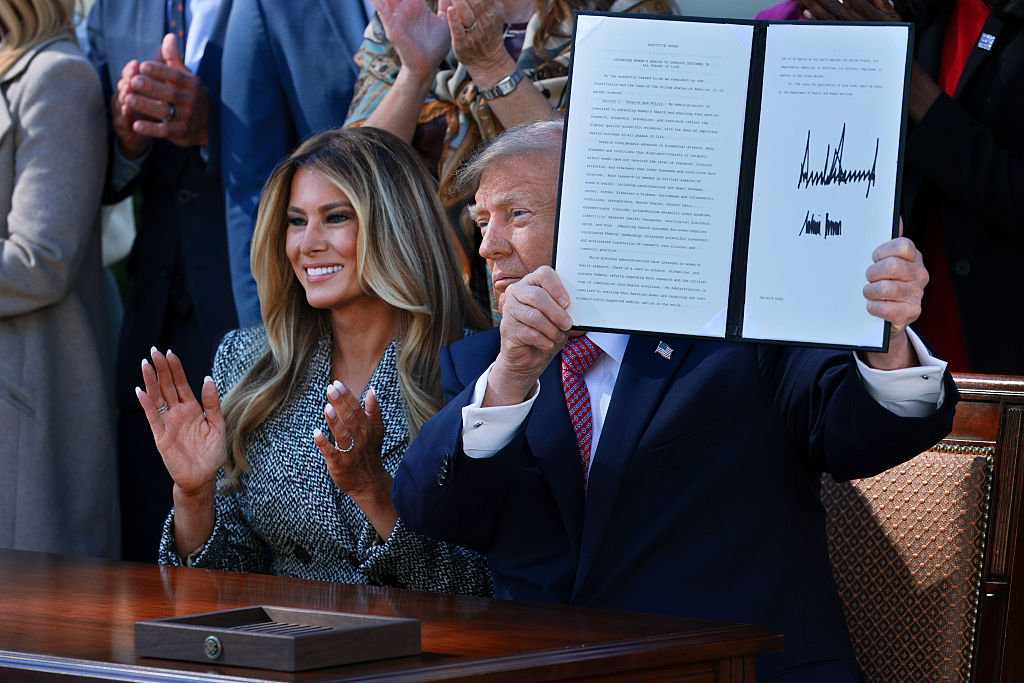
Trump said over the weekend that Iran had sent a “much better” proposal, but did not provide details. He repeated, however, that Iran must not be allowed to obtain nuclear weapons, signaling that any agreement remains difficult without movement on that issue.
Behind the diplomatic exchanges, the human and economic costs of the conflict continue to grow. With casualties reported across Iran, Lebanon and Israel, renewed attacks despite ceasefire arrangements, and warnings of shortages and supply disruptions, Iran’s offer is more than a diplomatic gesture. It may become a critical test of whether the region can step back from a wider escalation with global consequences.