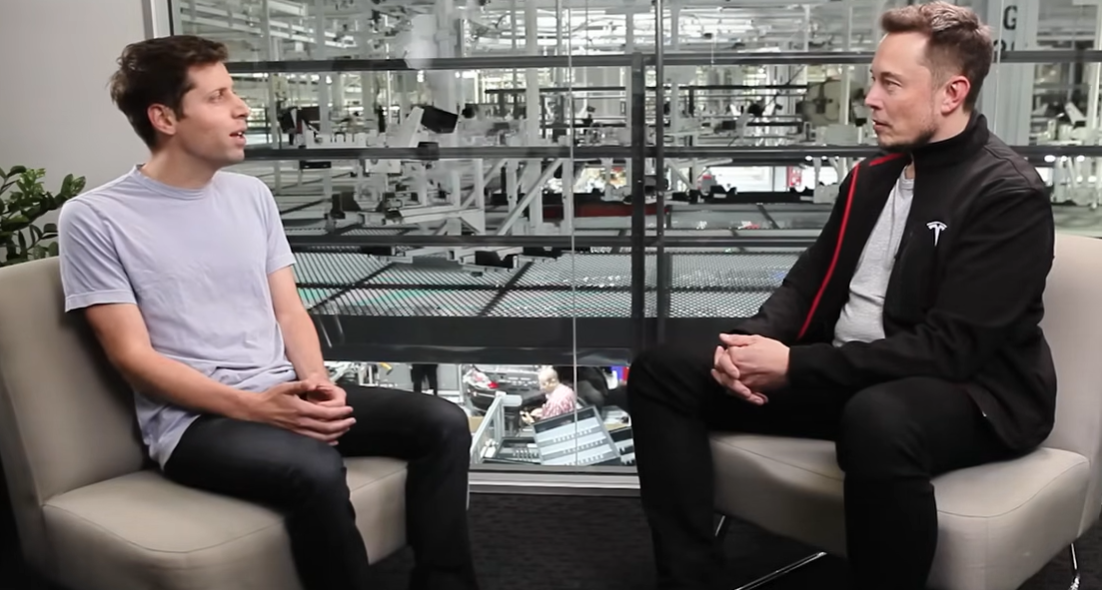
A legal battle between Elon Musk and OpenAI is set to move into a courtroom, placing one of the most closely watched disputes in the technology industry before a jury.
The case, brought by Musk against OpenAI, its chief executive Sam Altman and other company leaders, focuses on whether the organization abandoned the nonprofit mission on which it was founded. The trial is expected to draw major attention from investors, the technology sector and the wider public, as it could influence the future direction of one of the world’s most important artificial intelligence companies.
Musk helped establish OpenAI in 2015 as a nonprofit organization, with the stated aim of developing artificial intelligence for the benefit of the public. He later left the company in 2018 after internal disagreements. In the years that followed, OpenAI created a for-profit structure to attract the large amounts of capital needed to compete in the rapidly expanding AI market.
Musk argues that this shift violated OpenAI’s original purpose and allowed the company to profit from a project that had been presented as a public-interest initiative. His lawsuit claims that OpenAI’s leadership, including Altman and co-founder Greg Brockman, moved the organization away from its charitable mission and toward private financial gain.
OpenAI strongly rejects those accusations. The company has argued that Musk supported the idea of a for-profit model when he was still involved, but left after failing to gain the level of control he wanted. OpenAI has described the lawsuit as an attempt by Musk to damage a competitor, particularly as his own artificial intelligence company, xAI, seeks to challenge OpenAI in the same market.
Microsoft is also named in the case. Musk accuses the technology giant of helping OpenAI move away from its nonprofit obligations. Microsoft has become one of OpenAI’s most important commercial partners and investors, making its role a central issue in the dispute.
The trial comes at a sensitive moment for OpenAI. The company is facing intense competition in the AI sector and is widely seen as preparing for a potential major public offering. A ruling against OpenAI could create serious uncertainty around its leadership, structure and future business plans.
One of the early challenges will be selecting a jury. Both Musk and Altman are widely known public figures, and OpenAI has become closely associated with the global rise of artificial intelligence. Legal experts say the court does not need jurors who have never heard of the people or companies involved, but it does need jurors who can set aside personal opinions and judge the case based on evidence.
The court is expected to call a larger-than-usual pool of potential jurors because of the public profile of the case. Lawyers will likely question candidates about their views on Musk, OpenAI, artificial intelligence, large technology companies and the role of private profit in public-interest research.
The evidence is expected to include emails, messages and internal communications from some of the most influential figures in technology. Musk, Altman, Brockman, Microsoft CEO Satya Nadella and former OpenAI officials may all be called to testify.
At the heart of the trial is a broader question that goes beyond the personal conflict between Musk and Altman: can a company founded around a public-good mission later transform itself into a commercial powerhouse without betraying that original promise?
For OpenAI, the case could affect its reputation, leadership and future growth. For Musk, it is both a legal challenge and a direct confrontation with a company he helped create but now competes against.
The jury will be asked to consider the facts, but the final decision on possible remedies will rest with the judge. Whatever the outcome, the trial is likely to become a defining moment in the debate over who controls the future of artificial intelligence — and whether that future should be driven primarily by public interest, private capital or a combination of both.