The Trump administration is preparing for a potentially extended campaign of pressure against Iran, with economic restrictions and limits on energy exports at the center of the strategy.
According to people familiar with discussions inside the White House, President Donald Trump has asked his advisers to plan for a longer blockade of Iran-linked maritime routes. The approach is being viewed in Washington as a way to maintain pressure on Tehran without immediately moving toward either a broader military escalation or a full diplomatic retreat.
A key focus of the plan is the restriction of shipping connected to Iranian ports, particularly vessels involved in oil exports. Energy sales remain one of Iran’s most important sources of state revenue, making the sector a central target in Washington’s pressure campaign.
The move comes as tensions between the United States and Iran remain high, while diplomatic efforts have produced limited progress. Tehran has signaled that it is prepared to explore a compromise, including a gradual easing of the conflict, reopening the Strait of Hormuz and returning to talks over its nuclear program.
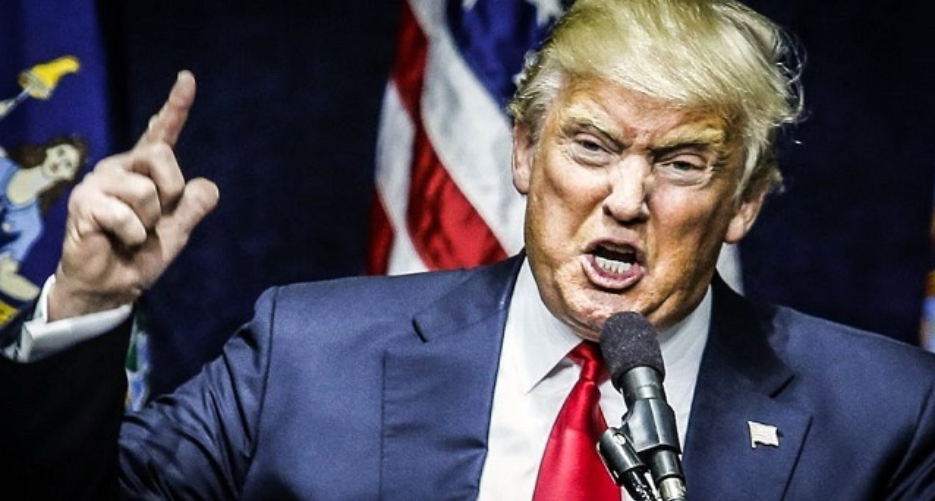
However, Trump has indicated that the Iranian proposal does not go far enough. In comments on Truth Social, he claimed that Iran is facing serious internal difficulties and wants a fast resolution to the crisis. Those claims have not been independently confirmed by Iranian officials.
The situation has also drawn concern from European leaders. German Chancellor Friedrich Merz warned that Washington’s position toward Iran is becoming increasingly complicated, pointing to the lack of clear diplomatic progress and the risk of a prolonged standoff.
At the same time, the crisis is creating pressure at home for the Trump administration. Rising fuel prices, driven in part by uncertainty over regional shipping and energy supplies, have become a growing concern for American consumers. Recent opinion polling also suggests that public support for Trump has weakened, with economic concerns playing a role.
For now, Washington appears set to continue using economic and maritime pressure as its main tool against Tehran. But with oil markets already strained and diplomacy moving slowly, the longer the blockade continues, the greater the risk that the conflict will produce wider political and economic consequences.