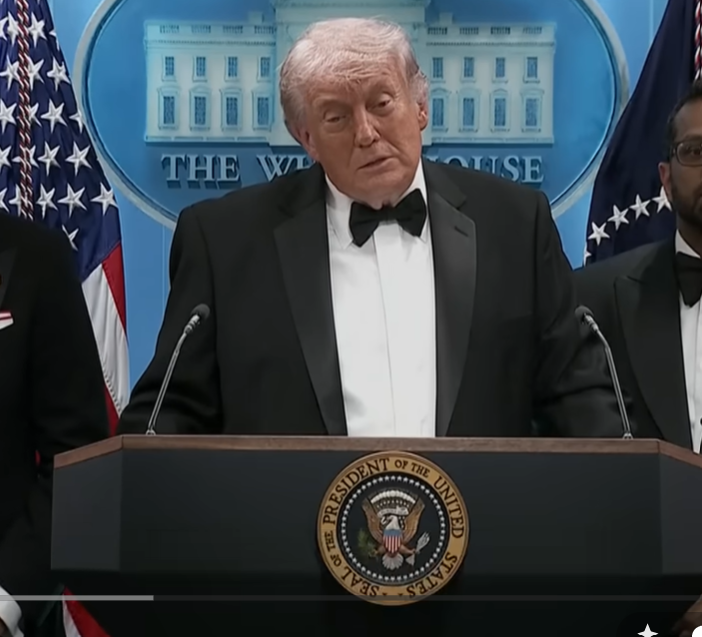
U.S. President Donald Trump has reportedly instructed his advisers to prepare for a prolonged blockade of Iran, as Washington seeks to increase pressure on Tehran without immediately expanding military action.
According to a report cited in the note, the administration is considering the continued restriction of maritime traffic to and from Iranian ports as a way to weaken Iran’s economy and limit its oil exports. The approach is being viewed inside the White House as a middle path between renewed bombing and a full withdrawal from the conflict.
The reported strategy comes as diplomatic efforts remain stalled over the future of the Strait of Hormuz, one of the world’s most important energy routes. Iran has put forward a phased proposal that would begin with ending attacks by the United States and Israel, followed by the removal of blockades around the strait. Only after those steps, according to the proposal, would negotiations move to Iran’s nuclear programme and uranium enrichment.
Trump has shown little enthusiasm for the plan. In a post on Truth Social, he claimed Iran had informed him that the country was in a state of collapse and wanted the Strait of Hormuz reopened as soon as possible. It remains unclear how that message was delivered or whether Iranian officials have confirmed such a communication.
The standoff has also triggered criticism abroad. German Chancellor Friedrich Merz accused the United States of being “humiliated” by Iran, suggesting that Tehran had outmaneuvered Washington in negotiations. Trump responded sharply, saying Merz “has no idea what he is talking about” and warning that a nuclear-armed Iran would pose a threat to the entire world.
The crisis is also creating political pressure at home. A Reuters/Ipsos poll cited in the report shows Trump’s approval rating falling to 34 percent, the lowest level of his current term. Public dissatisfaction has been fueled by rising living costs, higher fuel prices and limited support for the war with Iran.
Energy prices remain a key concern. Fuel costs in the United States have reportedly climbed sharply since the beginning of the conflict, adding to fears that a prolonged blockade and continued disruption around the Gulf could deepen inflationary pressure on American households.
For now, Washington appears focused on economic pressure rather than a broader military escalation. But with Iran insisting on guarantees, the Strait of Hormuz still restricted, and both sides holding firm on nuclear demands, the conflict remains locked in a dangerous diplomatic impasse.