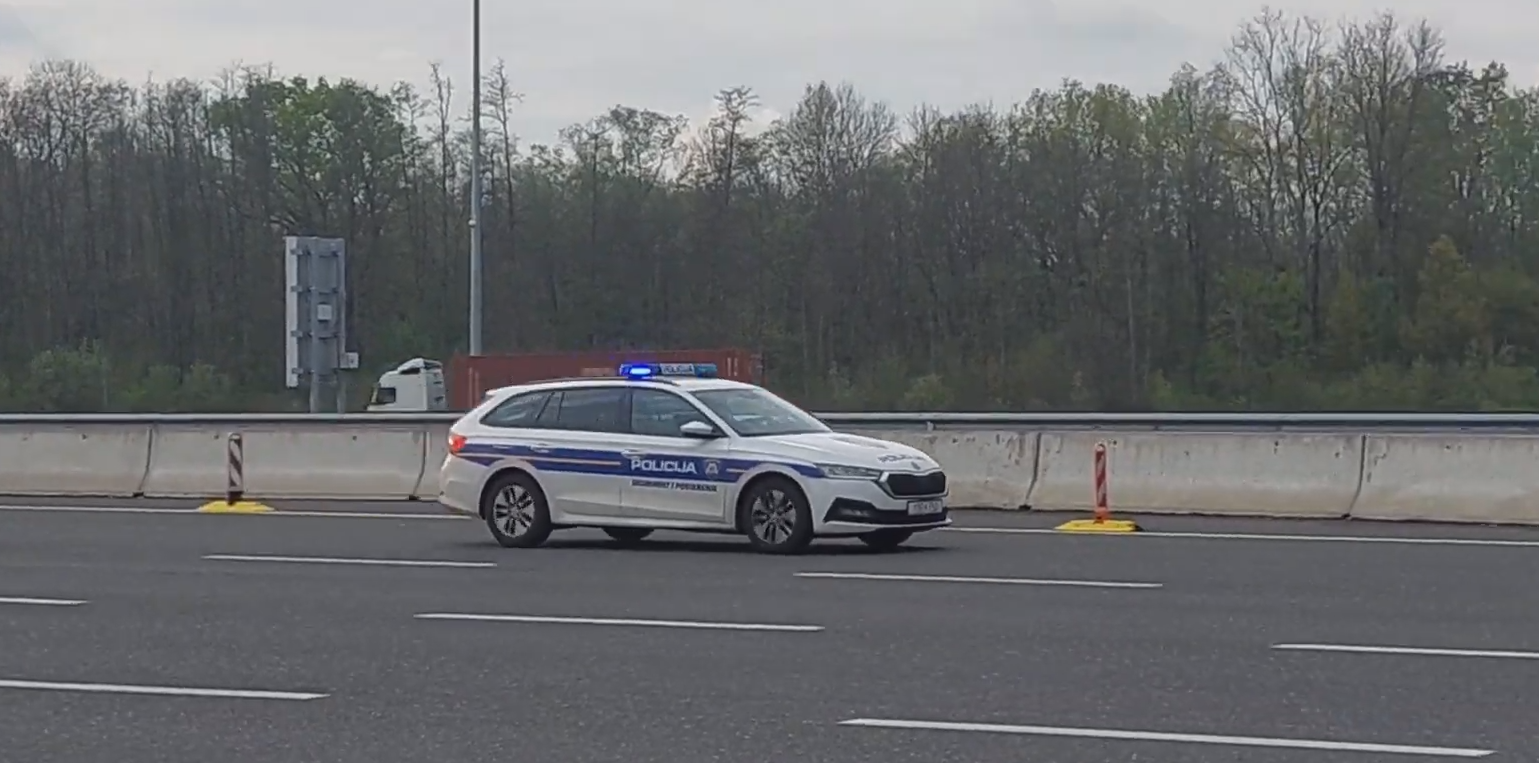
Croatian police have arrested several young individuals, including at least one minor, following a wave of more than 500 fake bomb threats sent to schools, shopping centers, and other institutions across the country in just five days, in what Interior Minister Davor Božinović confirmed was a coordinated but non terrorist related operation. The arrests occurred simultaneously in Zagreb, where a teenager was detained for sending threatening emails to multiple schools claiming to be part of a “terrorist cell from Split,” and in Dalmatia, where two other young suspects were apprehended, though investigators have not established a direct connection between the two groups despite the similar content of their messages. The investigation, which involved international assistance, revealed that some threats were routed through protected messaging services based in a Northern European country and an African nation, while police explicitly ruled out any links to radical Islamism.
The scale of the disruption prompted Croatia’s Ministry of Science, Education, and Youth to issue official guidelines to schools on handling such threats, marking a shift from automatic evacuation protocols toward more measured responses where institutions now have flexibility to schedule makeup classes rather than immediately halting instruction. The trend has spilled across borders into Macedonia, where a false bomb report at City Mall in Skopje triggered a police response just days before the Croatian wave intensified, highlighting how copycat behavior and digital anonymity tools are enabling a new form of cross border social disruption that law enforcement agencies are struggling to contain. While the Croatian suspects appear motivated by attention seeking or prank behavior rather than political ideology, the economic and psychological costs of evacuating hundreds of institutions, diverting police resources, and terrorizing communities represent a growing challenge for European security services already stretched by geopolitical crises and the ongoing Iran war.