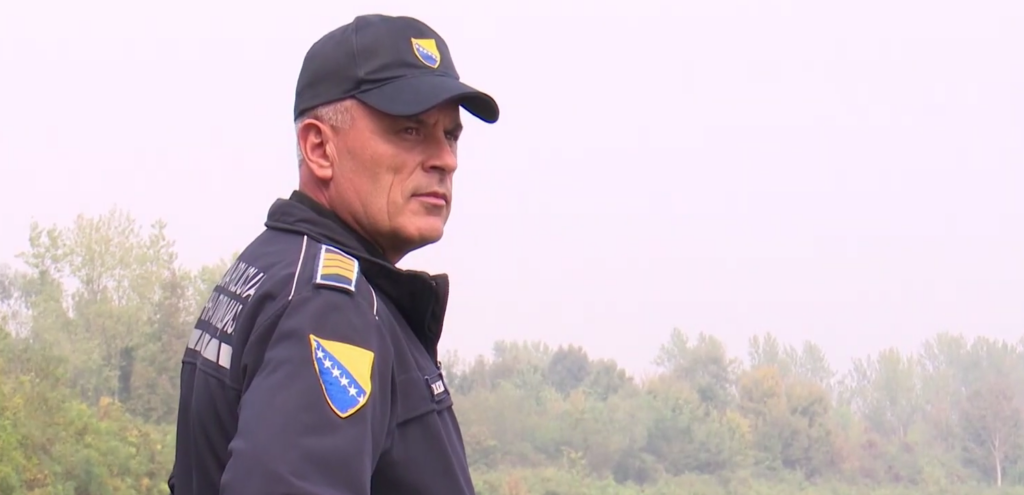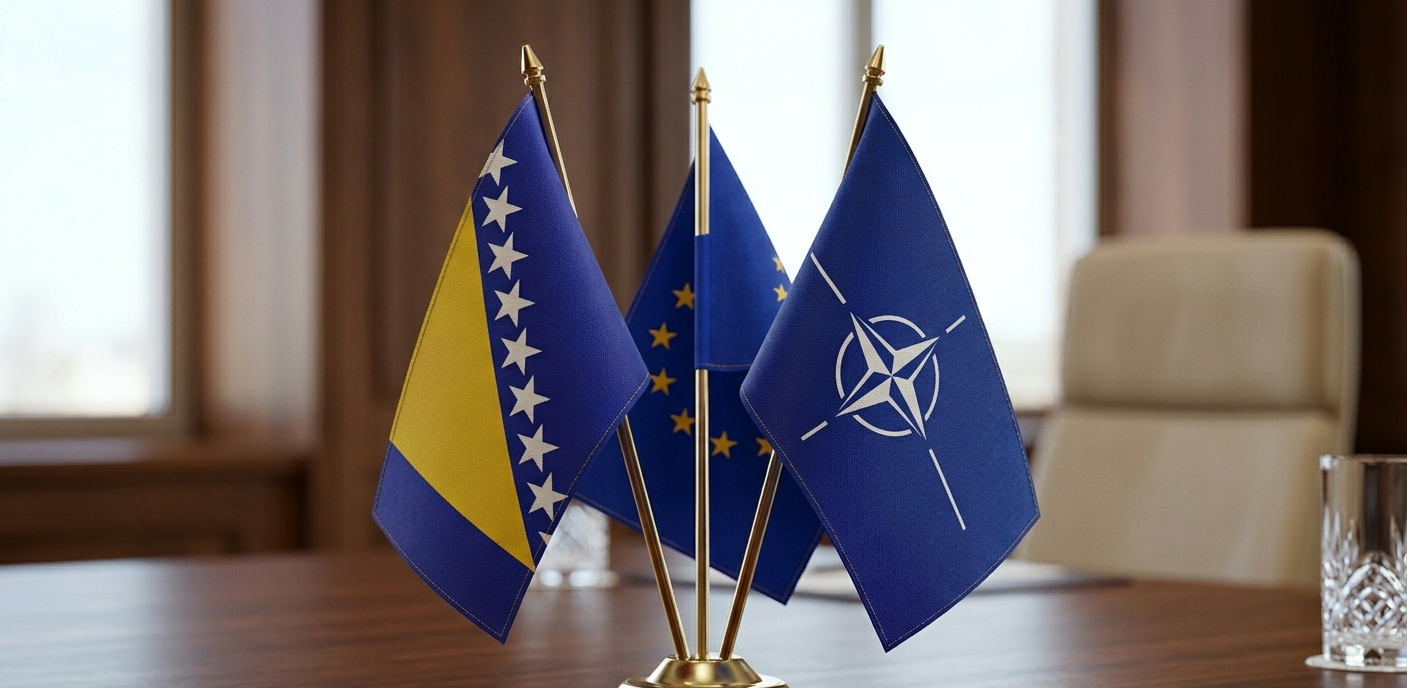
The chairs of the EU and NATO Military Committees, Seán Clancy and Admiral Giuseppe Cavo Dragone, made a rare joint appearance in Sarajevo, delivering a coordinated message that both Brussels and the Alliance remain committed to Western Balkans stability while warning that Bosnia and Herzegovina’s future depends on its own political will to reform.
Clancy, returning to the city after more than 15 years, emphasized that the visit itself signals unity between the EU and NATO in their shared commitment to the region, while highlighting Operation ALTHEA, the EU’s largest mission under the Common Security and Defense Policy, which has evolved over two decades from peace enforcement to training and capacity building for Bosnia’s Armed Forces. Dragone struck a more urgent tone, declaring that NATO “will not accept a vacuum here” and stressing that the Alliance maintains a strong presence through its Sarajevo headquarters, the Political Engagement Support Cell, and tailored programs addressing cyber defense, counterterrorism, and military interoperability.
The dual visit comes at a critical moment for Bosnia and Herzegovina, which received EU candidate status in 2022 but remains stalled on reforms in rule of law, judiciary, and public administration that Brussels demands before accession talks can advance. On the NATO side, Bosnia participates in the Membership Action Plan yet faces internal disagreements over defense issues that slow full membership prospects. Both officials emphasized that their organizations provide economic investment, legal frameworks, and security support, the EU as the country’s largest trading partner and investor, NATO as a guarantor against security vacuums, but repeatedly stressed that “the future of Bosnia and Herzegovina must be shaped by its people.” The message reflects growing frustration in Western capitals with Bosnia’s political paralysis, where ethnic divisions continue to block functional governance two decades after the war ended.
For the broader Balkan region, the joint appearance underscores a strategic reality, as the Iran war strains NATO resources and EU attention fragments across multiple crises, Southeast Europe risks sliding down the priority list unless local leaders demonstrate reform momentum. Dragone’s warning about disinformation and fake news as modern security threats hints at the hybrid warfare techniques that Russia and other actors have used to destabilize the region. The EU’s pre accession process and European Peace Facility, combined with NATO’s Individual Tailored Partnership Program, offer concrete pathways, but both require political consensus in Sarajevo that has proven elusive. The visit ultimately served as both reassurance and pressure, the West is not leaving, but it will not carry Bosnia forward if its own leaders remain deadlocked.