Serbia is moving forward with plans to reintroduce mandatory military service, outlining a significantly shorter and more modern training model compared to past systems. According to newly released details, the proposed service would last 75 days and focus on basic military training rather than long-term deployment. The program is designed to quickly prepare recruits with essential skills while minimizing disruption to their civilian lives.
Structure of the Training
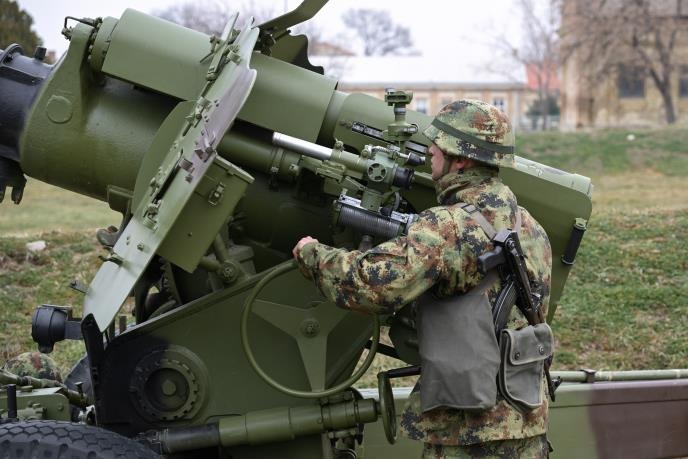
The training would be divided into two main phases. The first part would include basic military instruction, such as weapons handling, discipline, and physical conditioning. The second phase would involve field exercises, where recruits would apply what they learned in more realistic conditions.
Officials emphasize that the goal is not to create full-time soldiers, but to provide a foundational level of readiness and defense capability among the population.
Conditions and Benefits
Conscripts would receive financial compensation during their service, as well as accommodation, food, and medical care. The government also plans to improve military facilities to support the new system.
After completing the training, participants would be entered into the reserve forces.
Employers would be required to guarantee that individuals can return to their jobs after completing service, aiming to reduce concerns about career disruption.
Who Will Be Required to Serve
The obligation is expected to apply primarily to young men, while women would have the option to participate voluntarily.
There will also be provisions for those who refuse military service on personal or ethical grounds. In such cases, individuals would be able to opt for civilian service, which would last longer than the military training.
Broader Goals
Authorities say the reintroduction of military service is intended to strengthen national defense readiness while also promoting discipline, responsibility, and a sense of duty among young people.
The model represents a compromise between a fully professional army and traditional long-term conscription, aiming to balance military preparedness with modern social and economic realities.