In conditions where the world economy is still walking a thin line between stabilization and new shocks, the National Bank came out with cautiously optimistic news: the Macedonian economy will continue to grow, inflation will gradually calm down, and the banking system remains stable and resilient.
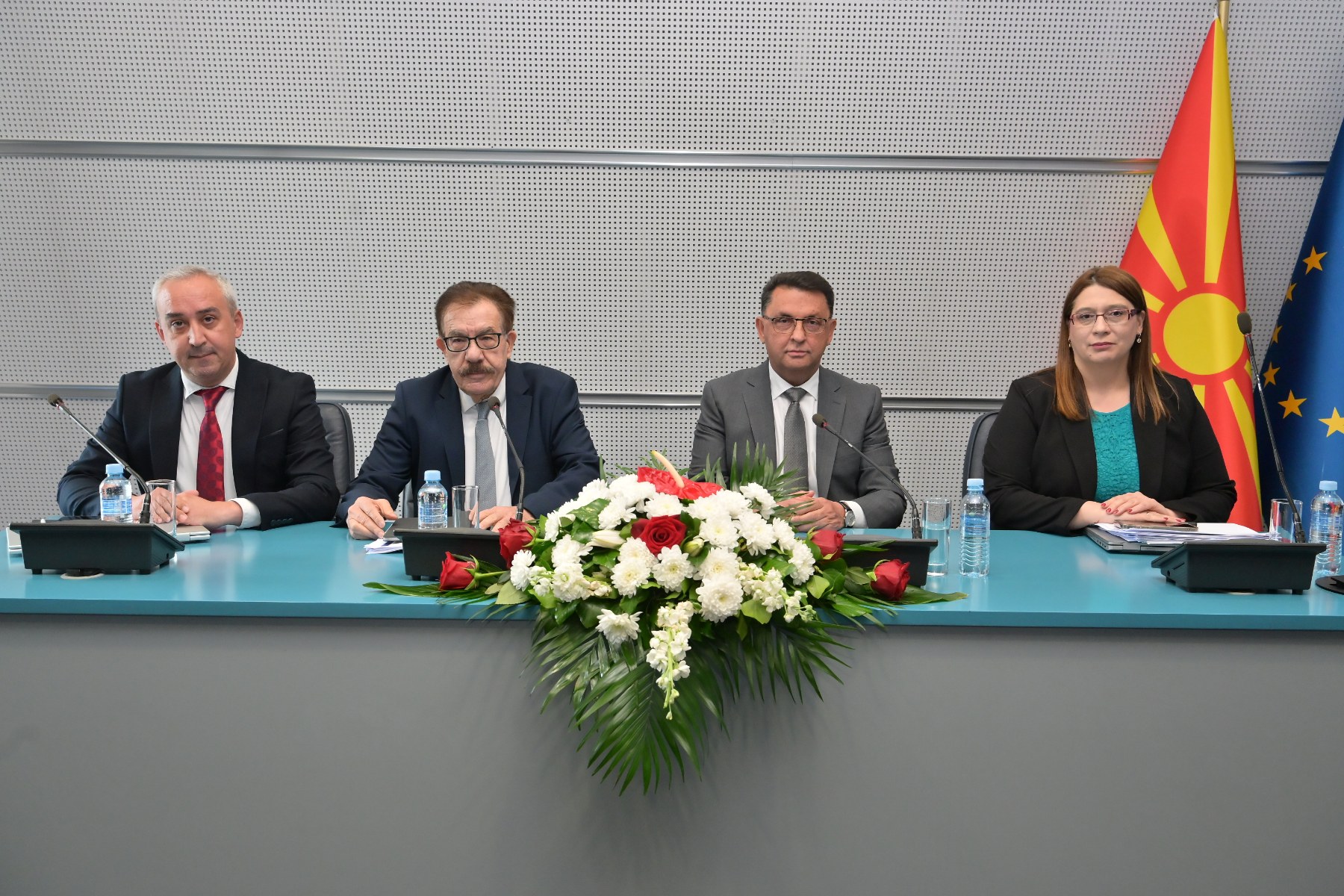
At the session held today (May 7), the Council of the National Bank adopted the latest macroeconomic projections within the Quarterly Report, with the central bank warning that global uncertainty continues to represent a serious risk for economic trends.
According to the estimates, the world economy in 2026 will enter a period of slowed growth. After relatively solid pace of 3.4 percent in 2025, global growth is expected to decrease to around 3.1 percent. The main reasons are prolonged geopolitical tensions, especially the crisis in the Middle East, which are again pushing energy prices upward and creating pressure on international trade.
In such an external environment, the domestic economy is projected to remain stable. The National Bank expects inflation to gradually come under control: around 4 percent in 2026, with further reduction to approximately 3 percent in 2027. In the medium term, inflation should return close to the historical average of around 2 percent.
Positive signals are also coming from economic activity. The projections foresee gross domestic product growth of 3.5 percent next year, with additional acceleration to 3.8 percent in 2027. The expectations are that the strongest impulse will come from investments, primarily through infrastructure projects and gradual recovery of foreign demand.
However, the economy will continue to feel pressure from the external sector. The current account in 2026 is expected to end with a deficit of around 5.7 percent of GDP, which is mainly associated with higher costs for energy imports and intensified investments. The National Bank assesses that in the coming years the situation will gradually improve, parallel with the stabilization of financial flows.
Meanwhile, the banking sector continues to show high resilience. Lending in the first quarter of this year grew by 13.1 percent, while deposits show continuous growth, an indicator that the confidence of citizens and companies in the financial system remains stable. For the period 2027-2028, the central bank expects more moderate but sustainable credit pace of around 7.4 percent.
The National Bank conveys that in the next period careful monetary policy will continue to be conducted, with constant monitoring of global risks, especially movements in commodity prices and geopolitical developments. The National Bank assures that it has sufficient instruments for preserving price stability and stability of the exchange rate.