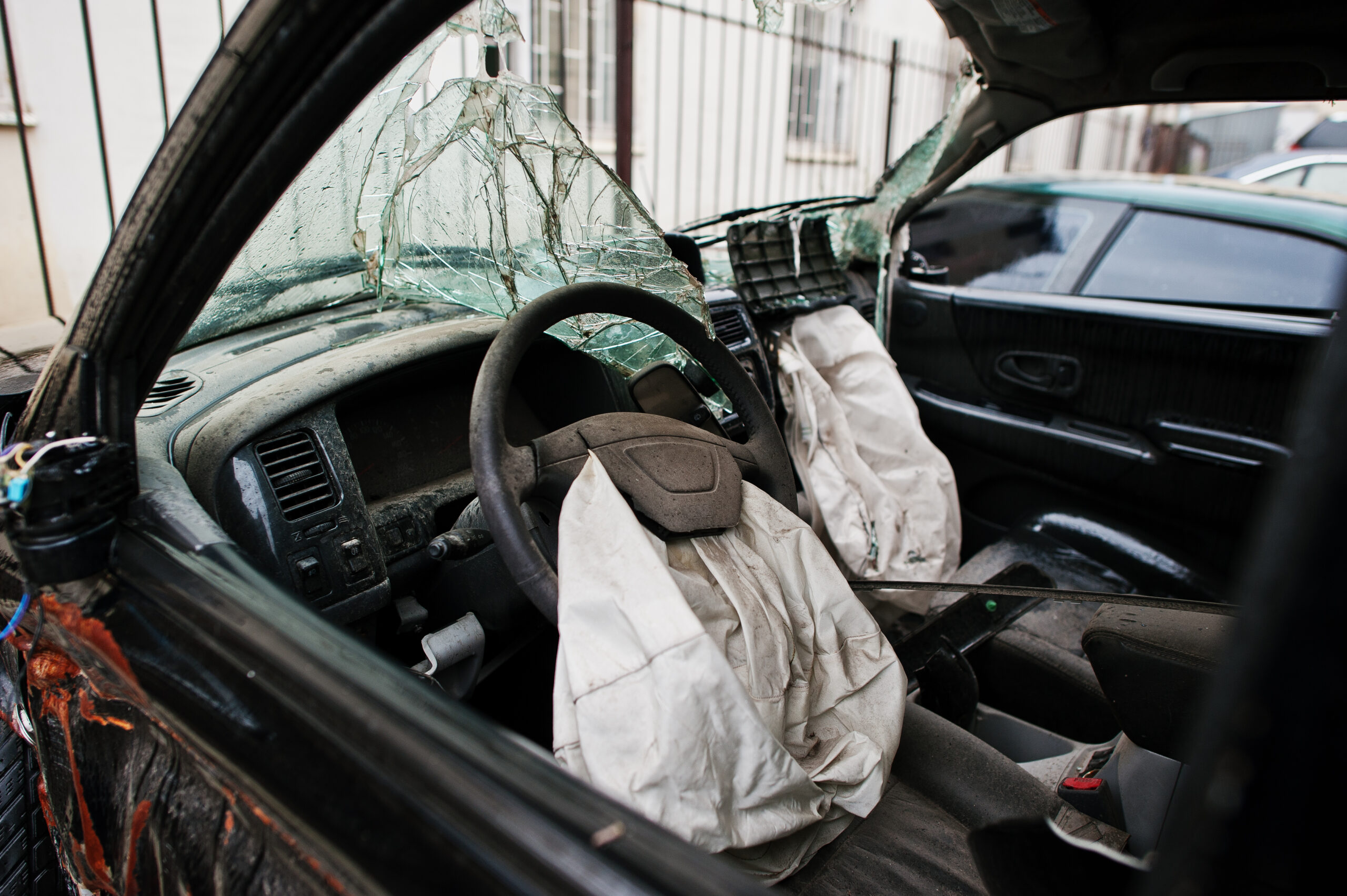
Bosnia and Herzegovina recorded a staggering 42,762 traffic accidents in 2025, marking a 19.3% increase from the previous year and claiming 288 lives, a jump of 66 fatalities representing a nearly 30% surge in road deaths that reverses recent progress and places the country among Europe’s most dangerous for drivers and pedestrians. According to data from the Auto Moto Association of Bosnia and Herzegovina (BIHAMK), the daily toll averaged 117 accidents, with five people sustaining serious injuries and nearly 27 suffering minor injuries every single day, while the overall death rate stands at approximately seven fatalities per 1,000 accidents. The spike is particularly alarming given that Bosnia had achieved a 12.9% reduction in road deaths in 2024, dropping to 222 fatalities, making the 2025 rebound a devastating setback for a country that already recorded 67 road deaths per million inhabitants in 2021, 52% above the EU average.
The causes reflect systemic failures across infrastructure, enforcement, and vehicle safety that plague the entire Western Balkans region. Bosnia and Herzegovina lacks a prescribed national methodology for in depth analysis of road crashes, has no trained professionals to conduct such analyses, and struggles with inconsistent data reporting, under resourced enforcement, aging vehicle stock, and high rates of speeding and driving without a seatbelt. While the EU has set ambitious Vision Zero targets to halve road deaths by 2030, the Western Balkans collectively recorded 1,225 fatalities in 2024, a modest 2.9% decline that still leaves the region far behind European standards. BIHAMK has actively campaigned for reforms including 30 km/h speed limits in city centers, safer roads investment plans, and improved post crash response, but legislative changes remain slow and implementation uneven across Bosnia’s fragmented administrative structure.
For citizens and policymakers, the 2025 data serves as an urgent wake up call that economic development and EU integration ambitions cannot succeed while roads remain killing fields. The human cost extends beyond statistics, 288 families destroyed, thousands injured, and an estimated economic burden that the European Transport Safety Council values at €2.5 million per prevented fatality when accounting for healthcare, lost productivity, and societal impact. With Bosnia’s current account deficit already strained by energy imports and the Iran war disrupting supply chains, the additional pressure of preventable road deaths represents a crisis that demands immediate political attention. Whether the spike triggers genuine reform or becomes another forgotten statistic in a country overwhelmed by multiple crises will depend on whether authorities can translate BIHAMK’s data into concrete action, before 2026 produces an even grimmer toll.