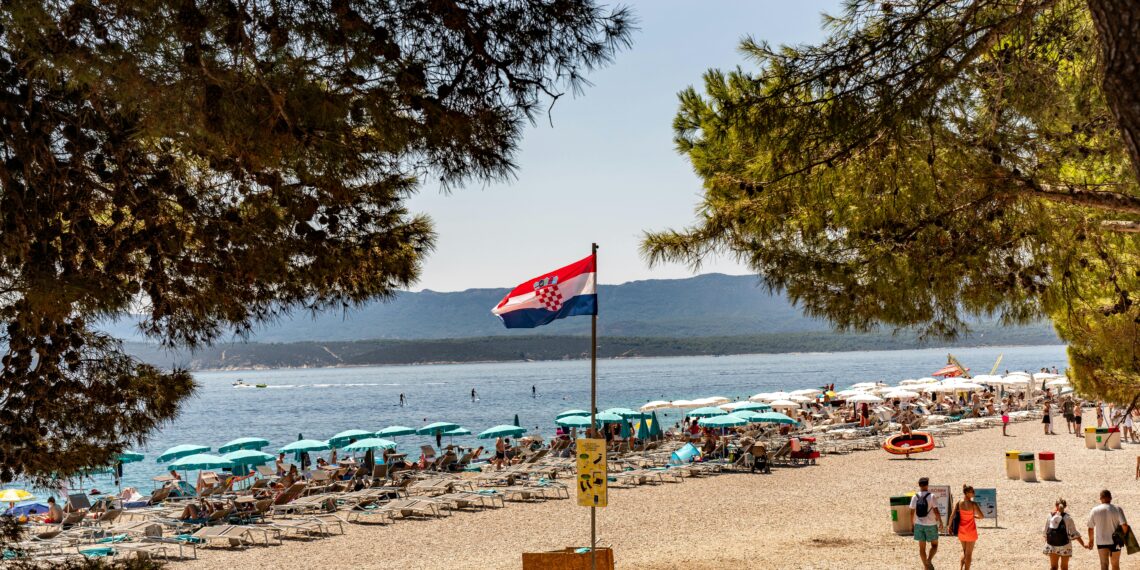
Croatian Tourism and Sports Minister Tonči Glavina has called on the entire tourism sector to reduce prices and margins by 10 to 20 percent, arguing that this year’s tourist season will be specific because of disruptions in transport and travel caused by the war in the Middle East. Speaking in Split, Glavina said that all actors in the tourism sector should now show strong promotional offers and reduce expectations across the entire value chain. His message was addressed to hotels, campsites, small private renters, restaurants, shops and other participants in the sector.
Glavina said discounts are necessary because competing countries are also introducing them. He described the current tourism year as neither normal nor standard, but specific, adding that Croatia’s success will depend on how the country adapts. According to him, this season is important not only for the current summer but also as a foundation for next year, which could be equally challenging if inflation and energy prices remain at current levels. Asked whether the state could introduce tax relief for renters if tourism traffic weakens, Glavina said the state would take steps if necessary.
The appeal triggered reactions from business representatives. The Voice of Entrepreneurs Association sent questions to the Ministry of Tourism and Sports asking whether there are assessments or economic analyses behind the public expectation that prices in tourism should fall by 10 to 20 percent. The association said it does not dispute the need to strengthen the competitiveness of Croatian tourism, but argues that public expectations directed at entrepreneurs should be based on transparent economic analysis and real estimates of the effects on business.
The association warned that tourism and hospitality businesses are already operating under significant cost pressure, including labor costs, energy, procurement, rent, logistics and administrative burdens. It asked whether the ministry had analyzed the impact of price reductions on profitability, investment capacity and long-term business sustainability, and how real business costs would be included in future public communication and recommendations on tourism prices.
Part of the criticism also focused on the role of the state in forming final prices. One commentary argued that prices in tourism do not begin only with private renters or restaurants, but also with VAT, income tax, profit tax, salary contributions, tourist fees, tourist board membership fees, communal charges, road tolls, concessions and other public levies. The same commentary criticized the state for collecting its share through taxes and charges while publicly calling on private businesses to reduce prices.
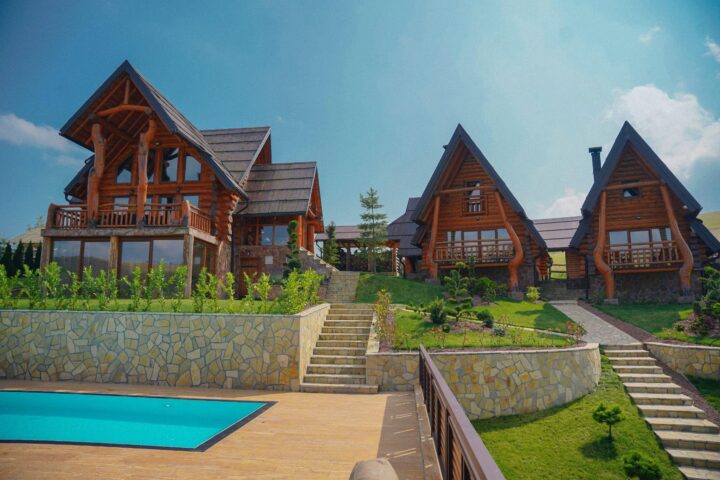
The debate was additionally sharpened by reports about Glavina’s own private villa in Klis. The ministry confirmed that the minister had not lowered the rental prices of his villa this season, but said that a price correction had already been made last year by more than 10 percent. According to the report, the average June price fell from 510 euros per night in 2024 to 436 euros last year, while the ministry said prices were not increased this year and were additionally reduced in some periods through promotional offers. Available Airbnb dates mentioned in the report showed around 505 euros per night in June, 705 euros in May and 470 euros at the end of September.
Foreign media criticism also formed part of the wider context. Reports described the “Dalmatian dream” as increasingly expensive for ordinary people, reinforcing concerns that Croatia’s coast risks losing price competitiveness. In that atmosphere, Glavina’s appeal became part of a broader debate over whether Croatian tourism can remain attractive if prices continue to rise faster than what many visitors are willing or able to pay.