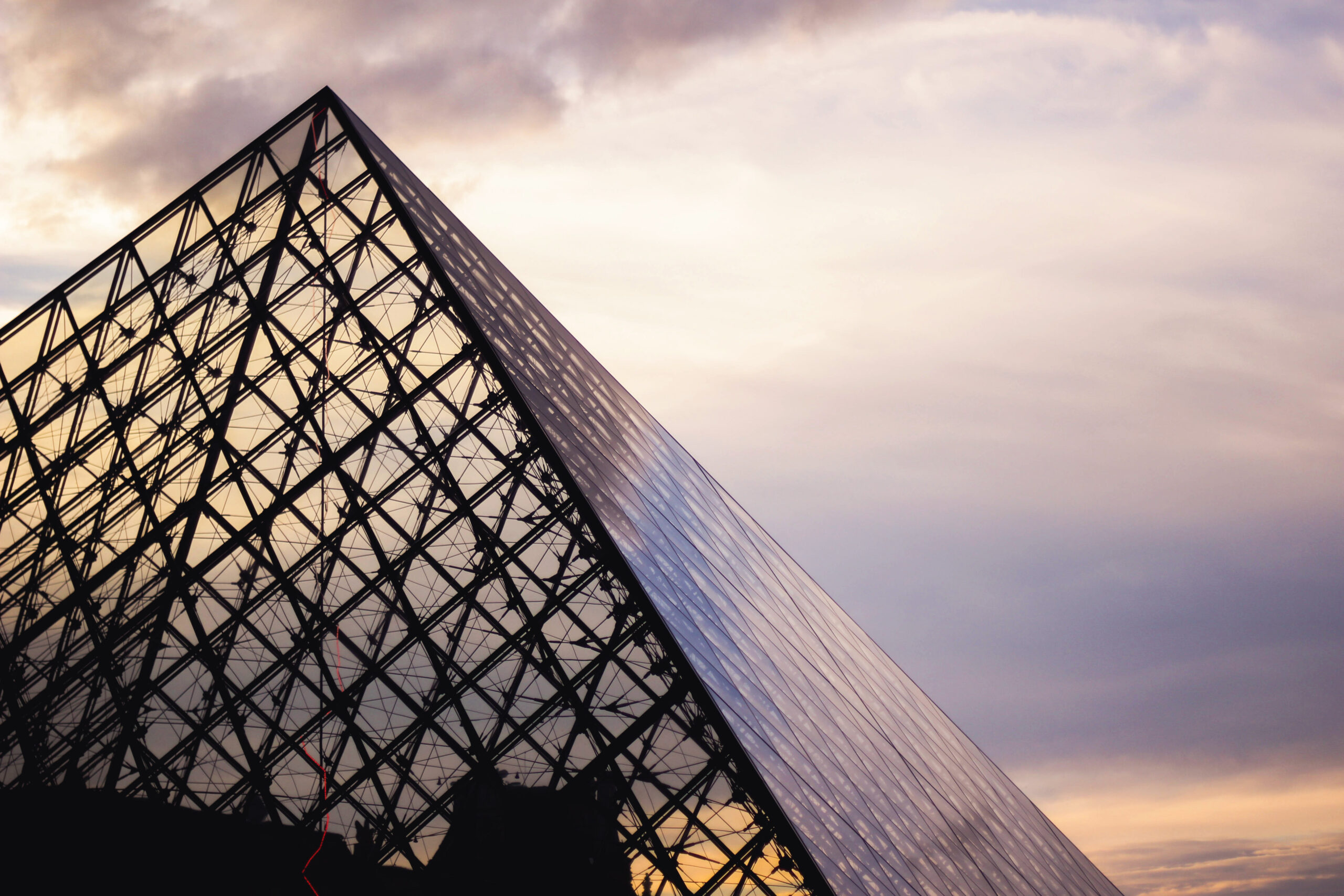
French police have dismantled a decade long ticket fraud network at the Louvre that allegedly cost the world’s most visited museum over 10 million euros, arresting nine people including two museum employees and several tour guides who allegedly reused tickets and bribed staff to admit up to 20 tourist groups per day. The investigation, launched in June 2025 after the Louvre filed a complaint in December 2024, uncovered a sophisticated scheme where Chinese tour guides fraudulently reused single entry tickets for different visitors, split groups to avoid paying required “speaking fees,” and paid cash to Louvre accomplices who overlooked the fraudulent admissions.
The scale of the operation is staggering. Investigators estimate the network brought in up to 20 groups daily for over ten years, with losses exceeding 10 million euros. Authorities seized more than 957,000 euros in cash, 67,000 euros in foreign currency, and 486,000 euros from bank accounts, while suspects allegedly invested profits in real estate across France and Dubai. One person remains in custody facing charges of organized fraud, use of forged documents, aiding illegal entry, active corruption, aggravated money laundering, and criminal association, while eight others were released under judicial supervision. The Louvre’s general administrator Kim Pham called fraud “statistically inevitable” at an institution of its scale, noting that 90% of tickets are now purchased online where major fraud occurs, and that visitor caps introduced after the pandemic increased ticket scarcity that attracts scammers.
The fraud scandal compounds an already catastrophic period for the museum. In October 2025, thieves stole French Crown Jewels worth an estimated 88 million euros during visiting hours, using a truck mounted platform to access the Apollo Gallery through a window, a heist that remains unsolved despite several arrests. Staff strikes over poor conditions, mass tourism, and understaffing have shuttered galleries multiple times, while water leaks in November 2025 damaged 400 documents in the Egyptian Department and a February 2026 burst pipe tore a 19th century ceiling painting by Charles Meynier. Unions are demanding the museum abandon its 666 million euro plan for a new Mona Lisa entrance and subterranean complex to focus on basic maintenance, with the Louvre’s chief architect conceding to lawmakers that the building is “not in a good state”. The Louvre’s cascading crises expose how even the world’s most prestigious institutions can become victims of their own success, overwhelmed by mass tourism, undermined by internal corruption, and physically deteriorating while management pursues grand architectural visions over fundamental upkeep.