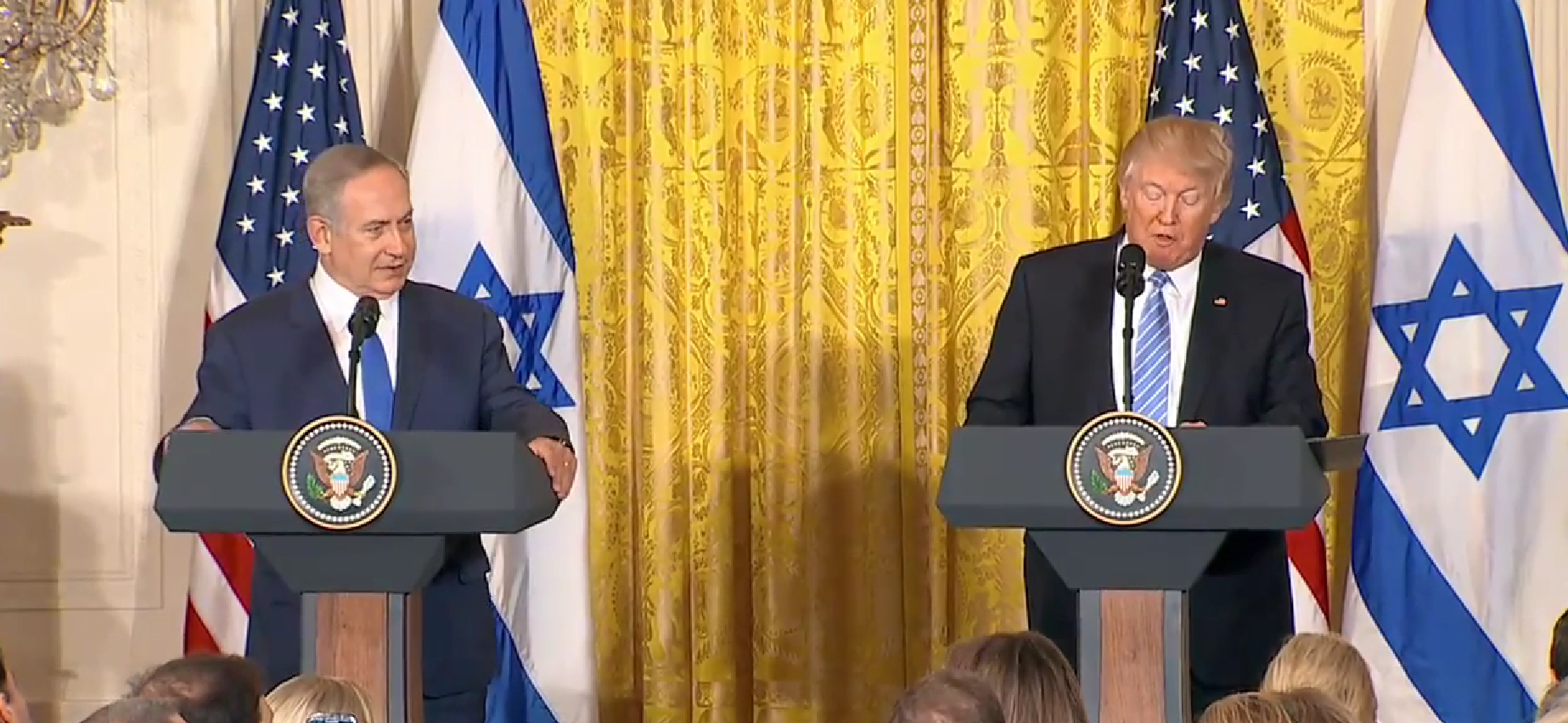
A growing divide has emerged between U.S. President Donald Trump and Israeli Prime Minister Benjamin Netanyahu over how to handle the escalating conflict with Iran. According to U.S. and Israeli officials, the two leaders held a tense phone call this week after Trump unexpectedly paused planned military strikes against Iran in favor of giving diplomacy more time.
The disagreement reportedly intensified after Trump decided to halt a new wave of targeted attacks, an operation said to be internally referred to as “Operation Sledgehammer”, following pressure from Gulf allies including Saudi Arabia, Qatar and the United Arab Emirates. Those countries, alongside Pakistani mediators, have been working behind the scenes to push forward a diplomatic framework aimed at reducing tensions and reopening negotiations between Washington and Tehran.
Netanyahu, however, has continued to advocate for a more aggressive military response. Israeli officials familiar with the discussions said the prime minister warned Trump that delaying action could strengthen Iran’s position and allow Tehran additional time to maneuver diplomatically. The frustration reportedly extends beyond Netanyahu himself, with senior figures inside the Israeli government increasingly concerned that the White House is hesitating at a critical moment in the conflict.
Despite the pressure from Israel, Trump has continued to publicly signal that diplomacy remains his preferred option, at least for now. Speaking to reporters, the president said negotiations with Iran were “right on the borderline” and suggested he was willing to give talks a few more days if it could prevent further escalation. At the same time, he warned that military action remains on the table if the U.S. does not receive what he considers acceptable responses from Tehran.
Iranian officials confirmed that indirect communications between Tehran and Washington are still ongoing through Pakistani intermediaries. However, major disagreements remain unresolved, particularly regarding Iran’s nuclear program, sanctions relief and frozen assets. Regional analysts say both sides appear to be testing whether diplomacy can still produce results before the conflict moves into a more dangerous phase.
The latest developments highlight growing tensions not only between the U.S. and Iran, but also among key allies trying to shape the future direction of the conflict. While Trump appears focused on avoiding a broader regional war and stabilizing global markets, Netanyahu continues to push for stronger military pressure on Tehran. Whether diplomacy succeeds or collapses in the coming days could determine the next phase of one of the most volatile geopolitical crises in the region.