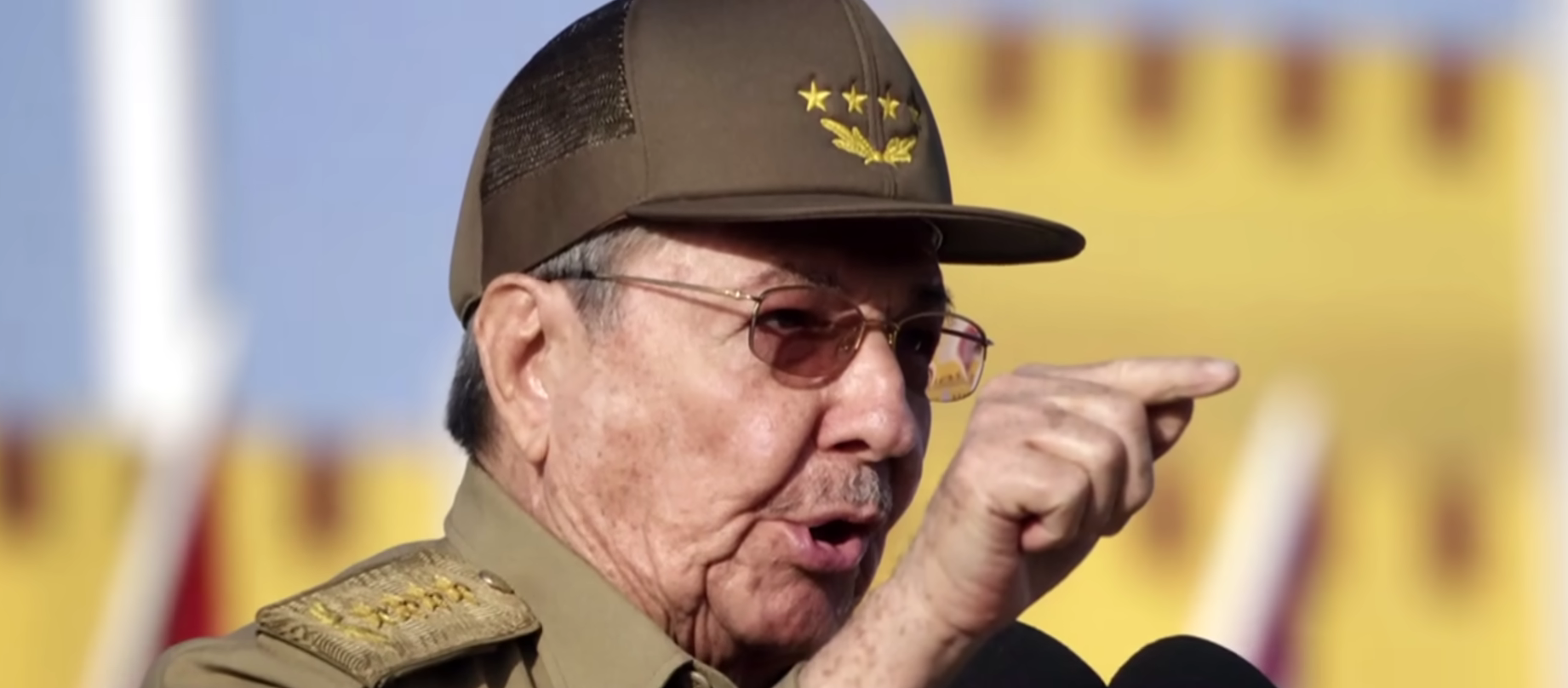
The United States Department of Justice has unsealed a superseding indictment charging former Cuban president Raúl Castro over the 1996 shootdown of two civilian aircraft, ending a prosecution effort that has spanned three decades. Acting Attorney General Todd Blanche announced the charges on 20 May at a Miami ceremony honoring the victims, in which Cuban MiG fighters destroyed two Cessna planes operated by the Cuban American humanitarian group Brothers to the Rescue, killing four volunteers, three of them U.S. citizens. Castro, who was Cuba’s defense minister at the time and is now 94, faces charges of conspiracy to kill U.S. nationals, destruction of aircraft, and four counts of murder, he is not currently in U.S. custody. The timing of the announcement, on a day Cuban exiles mark as the island’s independence day, injects fresh geopolitical tension into an already fraught bilateral relationship.
The 24 February 1996 attack remains one of the most politically charged episodes in modern U.S.-Cuban hostilities. Brothers to the Rescue had begun as an airborne search and rescue operation saving refugees in the Florida Straits, but later shifted to dropping anti government leaflets over Havana. On the day of the shootdown, three Cessna aircraft took off on what was described as a search mission, two were intercepted by Cuban MiG 29 fighters in international airspace and destroyed six minutes apart. Prosecutors have long maintained that the attack was premeditated state terror designed to intimidate dissidents, and court evidence showed that the Cuban Wasp Network spy ring had infiltrated the group in Miami, informing Havana of the flight plans and ensuring network leader Gerardo Hernández was not aboard one of the targeted planes.
The path to indictment has been tortuous. In the mid 1990s, federal prosecutors in Miami drafted an initial case against Castro after the successful prosecution of Panamanian leader Manuel Noriega, only to shelve it after press leaks triggered political fallout. A renewed push took root after the shootdown and the 2000 Wasp Network espionage convictions, but the case languished until former U.S. Attorney Guy Lewis wrote a seven page memo in 2016 laying out the evidence. That memo was recently forwarded to President Donald Trump and Secretary of State Marco Rubio, reigniting the effort. For the Trump administration, the indictment arrives amid tightened sanctions on Havana, while for the victims’ families it represents a long deferred reckoning. Whether it ever leads to a courtroom is doubtful, Castro is unlikely to leave Cuba, but the legal move ensures the 1996 shootdown remains an open wound in bilateral relations, a Cold War ghost resurrected in an era of renewed confrontation.