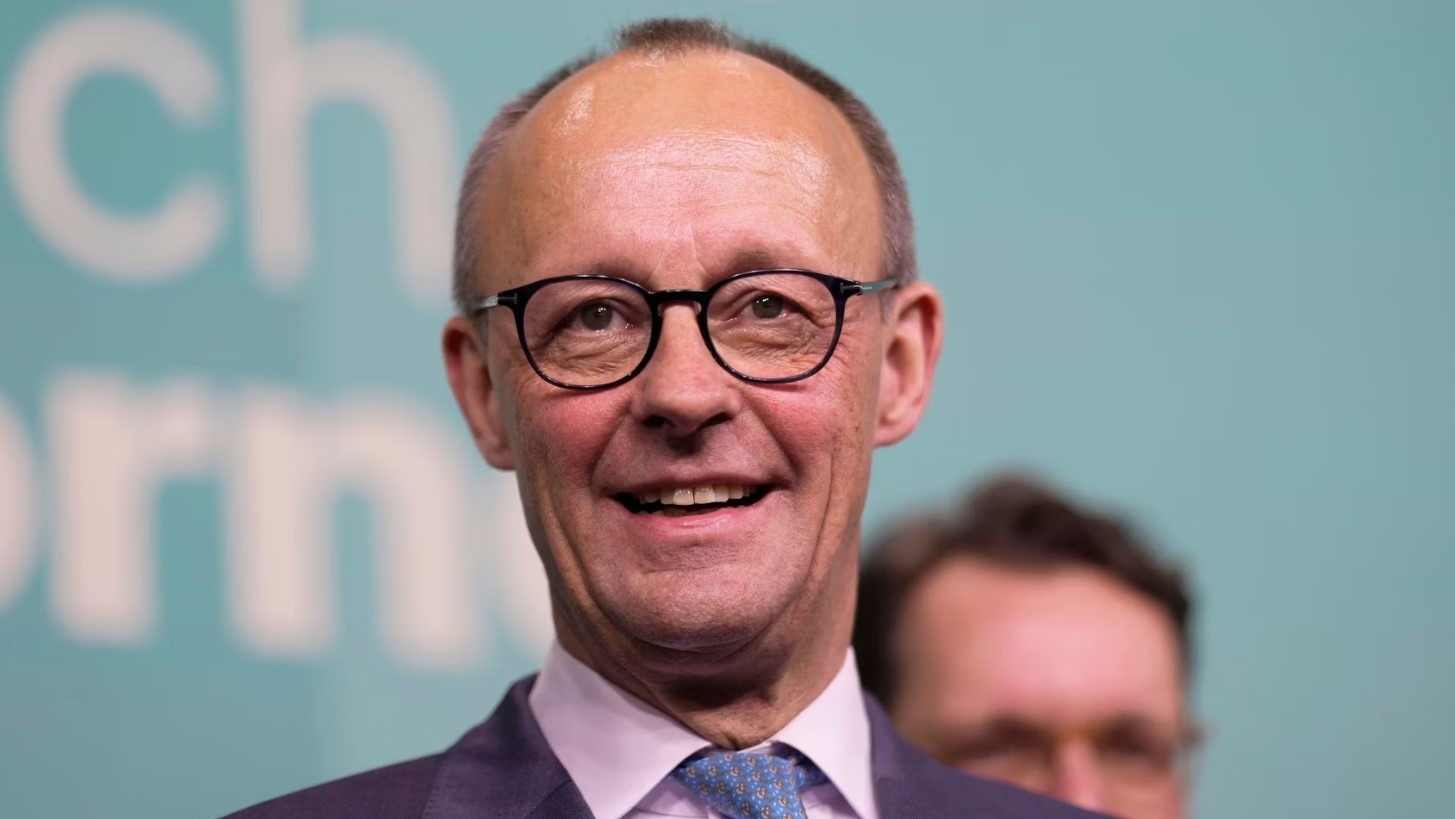
German Chancellor Friedrich Merz has proposed a new approach to the European Union’s enlargement process, suggesting that the bloc should consider “innovative solutions” for the Western Balkans and Moldova, while offering Ukraine a faster path toward deeper integration with EU institutions.
According to the proposal, Ukraine could receive a form of “associate membership” in the EU’s institutional system, allowing Kyiv to take part in certain EU meetings and formats, but without voting rights. The idea would give Ukraine a visible political benefit while its formal accession process continues in parallel.
Under the model outlined by Merz, Ukraine could participate in European Council meetings and ministerial formats, have the right to actively engage in discussions, and potentially be represented by a commissioner without portfolio, as well as observer representatives in the European Parliament. However, the country would not have decision-making power.
For the Western Balkan countries, Macedonia, Albania, Bosnia and Herzegovina, Montenegro, Kosovo and Serbia, as well as Moldova, the proposal reportedly offers a lower level observer status rather than the associate membership model suggested for Ukraine. This could include participation in joint sessions of the European Commission or European Parliament, wider access to EU programs and parts of the single market, but without the same political weight proposed for Ukraine.
Merz argued that the EU should move forward more boldly with Ukraine’s integration, saying there is no time for further delays. In a letter reportedly sent to European Commission President Ursula von der Leyen, European Council President António Costa and Cypriot President Nikos Christodoulides, whose country holds the EU Council presidency, Merz called for creative solutions to accelerate Ukraine’s path toward the bloc.
The proposal has already raised concerns among countries gathered in the informal “Friends of the Western Balkans” group. They fear that granting Ukraine a privileged status could further marginalize the Western Balkans, a region that has been waiting for years to advance toward EU membership.
The upcoming Western Balkans summit in Montenegro could offer a clearer signal on whether the EU is ready to speed up enlargement for the entire region, and whether the same rules will continue to apply to all candidate countries.