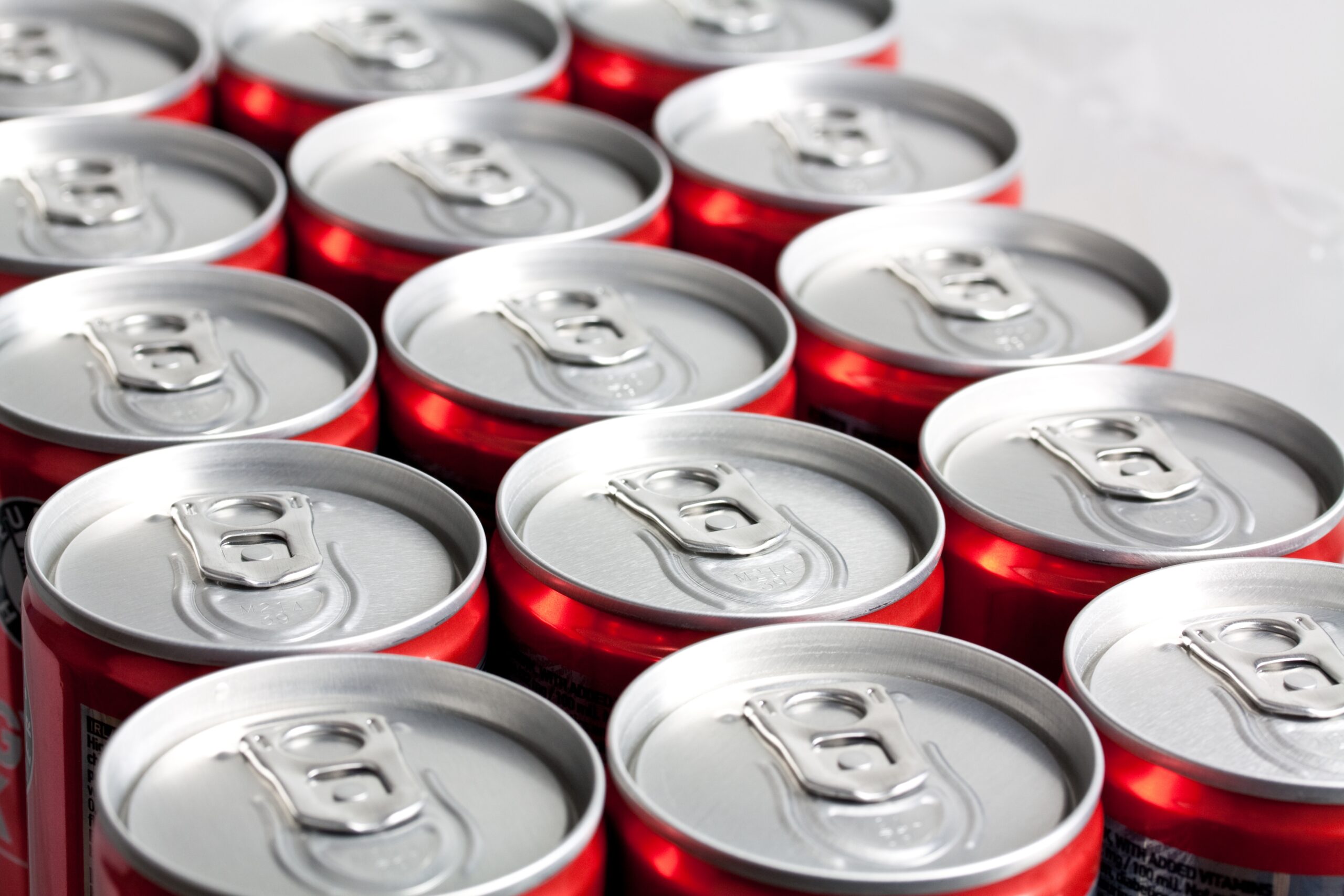
Croatia has banned the sale of energy drinks to anyone under 18 and empowered municipalities to prohibit late night alcohol sales, as parliament adopted amendments to the Trade Act that the opposition Social Democratic Party has been pushing for eight years. The measures, approved on 20 May, also require retailers to verify the age of any alcohol buyer who appears to be under 18, even at self checkout terminals, and mandate online vendors to confirm age through the national e-Citizens system. State Secretary Ivan Rakocija defended the overhaul by citing OECD data showing that Croatian 15 and 16 year olds rank at the very top of Europe for alcohol consumption, with 45% having engaged in heavy drinking at least once. The government framed the changes as preventive rather than punitive, though critics warned that localized bans will merely shift drinking to neighboring towns rather than curb the underlying culture of excess.
The energy drink ban closes a regulatory gap that has left Croatia out of step with much of Europe. Seven EU countries, Lithuania, Latvia, Poland, Romania, Hungary, Bulgaria, and most recently Norway, already prohibit sales to minors, with Lithuania having pioneered the restriction in 2014 and Kazakhstan setting the global ceiling at 21. Macedonia maintains a lower threshold of 14, while Albania, Armenia, and Azerbaijan enforce an 18 year minimum across the Western Balkans and Caucasus. SDP MP Sabina Glasovac, who championed the cause, noted that her party had tabled similar proposals in 2018 and 2022 only to see them rejected by the ruling HDZ, which argued at the time that insufficient scientific evidence linked energy drinks to youth health risks. “After eight years of trying to highlight that energy drink sales should be regulated, we have finally reached the phase where we will implement it,” Glasovac told parliament, adding that Croatia would now join the European mainstream. MEP Biljana Borzan, also of the SDP, had earlier cited medical warnings that excessive caffeine, sugar, and stimulants in energy drinks can cause rapid heartbeat, insomnia, anxiety, and dehydration in children, with long term risks including obesity, diabetes, and concentration disorders.
The alcohol provisions are equally far reaching. Municipalities may now ban retail alcohol sales after 21:00 in their jurisdictions, a concession to local governments that have long complained about night time disorder in tourist hotspots and residential neighborhoods. The move follows earlier local experiments, Split’s mayor Tomislav Šuta announced in February that the coastal city would prohibit alcohol sales in shops from 20:00 to 06:00 in its historic center starting this summer, while Novalja and Makarska are considering similar restrictions. Economy Minister Ante Šušnjar said the national framework is designed to preserve public order, protect cultural heritage, and safeguard the health of citizens, especially young people. Yet HSLS deputy Dario Klasić dissented, arguing that “transparency often does not eliminate the problem but merely shifts it,” and that people who want to buy alcohol will simply travel to the next town or purchase earlier in the day. The point is particularly salient in a country where tourism accounts for roughly 20% of GDP and where 21.3 million visitors in 2024 have made nightlife both an economic asset and a source of chronic tension between residents and the hospitality industry.
For all the parliamentary theatre, the amendments represent a genuine policy shift in a country that has historically treated alcohol consumption as a cultural birthright rather than a public health risk. The OECD data cited by Rakocija, that Croatian teenagers lead Europe in binge drinking, has been known for years, yet previous governments balked at measures that might antagonize the powerful hospitality lobby or the tourism sector. By packaging energy drink restrictions with alcohol curfews and mandatory age verification, the current administration is attempting to reframe the debate around child protection rather than adult liberty. Whether the new rules reduce youth consumption or simply drive it underground will depend on enforcement, which remains under resourced in a country where retail compliance has historically been patchy. For now, Croatia has at least joined the growing European consensus that caffeine fueled adolescence and unrestricted late night drinking are luxuries a modern welfare state can no longer afford.