Fresh military clashes between the United States and Iran sent shockwaves through global financial markets on 27 May, pushing Brent crude up more than 3% to nearly $98 per barrel and driving Asian and European equities sharply lower. The escalation came as American forces conducted new airstrikes on Iranian military positions near Bandar Abbas, downing four Iranian combat drones that Washington said posed a threat to US forces and commercial shipping in the Strait of Hormuz. Iran’s Revolutionary Guards retaliated by striking an American airbase, while Kuwait reported that its air defense systems intercepted missiles and drones heading toward its territory. The renewed violence has all but extinguished hopes that a Pakistan brokered ceasefire, in place since early April, would mature into a durable peace agreement.
The market reaction was immediate and severe. European bond yields climbed as investors priced in the risk of a prolonged energy crisis and resurgent inflation, with German ten year bunds rising to 3.005% and two year notes, highly sensitive to European Central Bank policy, reaching 2.617%. ECB chief economist Philip Lane warned in Tokyo that the energy shock from the Middle East conflict could influence inflation “for a longer time, even if the war ends quickly,” noting that high energy costs and increased stockpiling could prevent the rapid price stabilization seen after previous oil spikes. Asian markets bore the brunt of the risk off sentiment, with indices in South Korea, Taiwan, Singapore, and Thailand falling between 1 and 3%, while gold dropped to its lowest level in two months as investors liquidated positions to cover losses elsewhere.
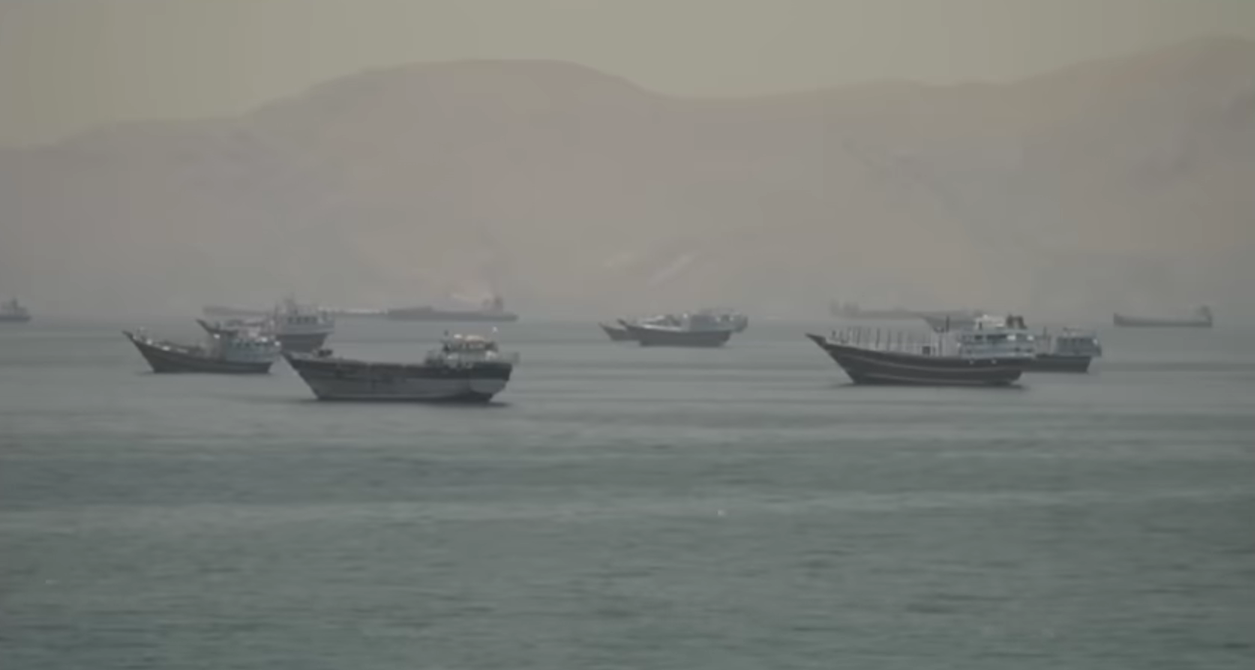
Amid the military and market turbulence, a small diplomatic signal emerged, Iranian President Masoud Pezeshkian ordered the restoration of international internet access after a near 90 day blackout imposed at the start of the conflict. The move, which could ease domestic pressure and open channels for external communication, coincided with reports that US-Iran talks mediated by Qatar were continuing in Doha despite the latest strikes. Yet President Donald Trump dismissed reports that Iran and Oman were close to a deal for joint management of Hormuz traffic, insisting the strait is international waters. Meanwhile, Israel announced new strikes on Hezbollah positions in southern Lebanon, adding another layer of regional risk. With roughly one fifth of global oil and liquefied natural gas shipments passing through the strait, and with shipping traffic already severely reduced since the conflict began in late February, the latest exchange of fire suggests that any reopening of the world’s most critical energy chokepoint remains distant. For now, markets are bracing for a summer of volatility, with the difference between a diplomatic breakthrough and a wider regional war hinging on whether the next round of talks can outpace the next round of airstrikes.