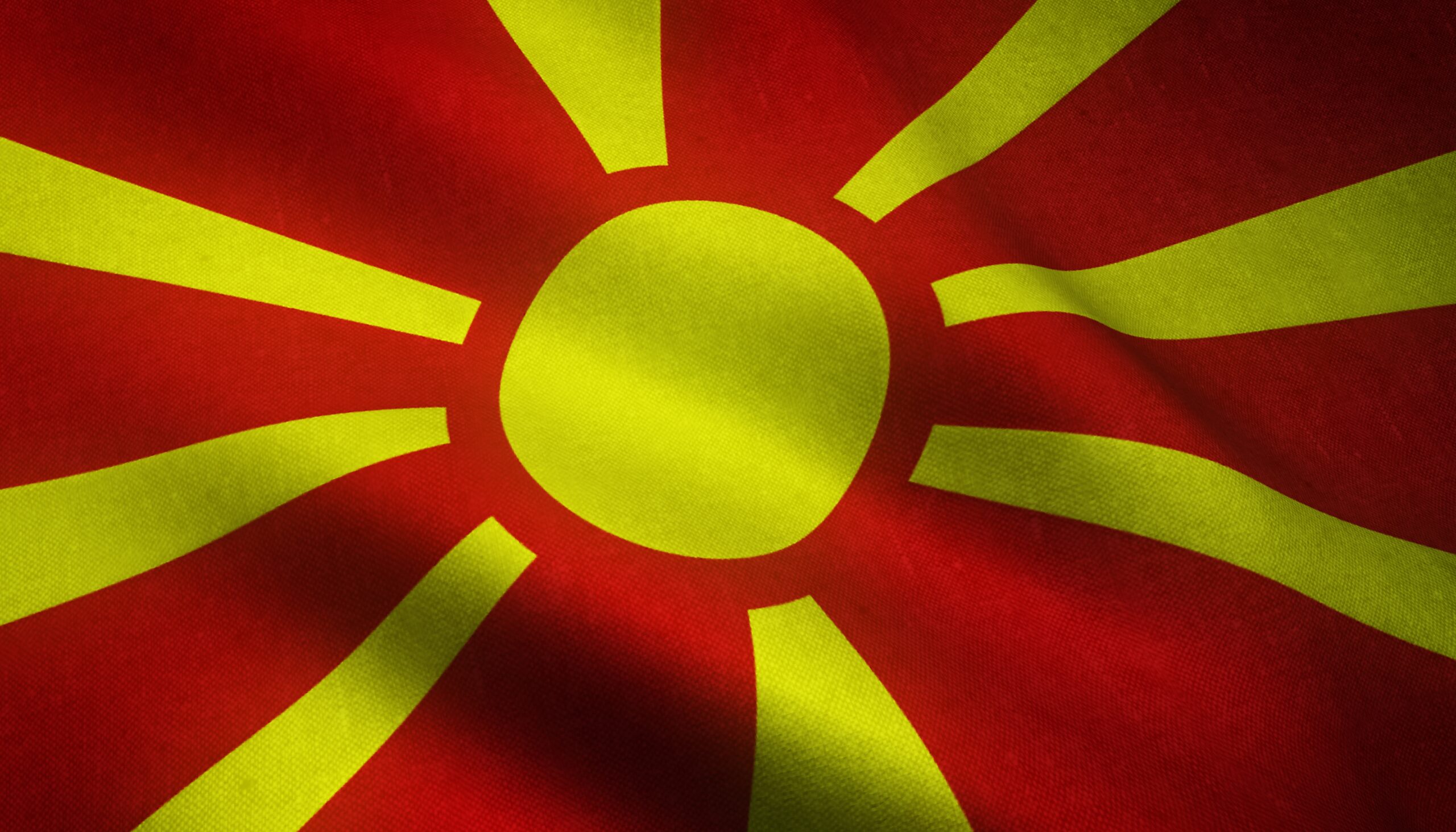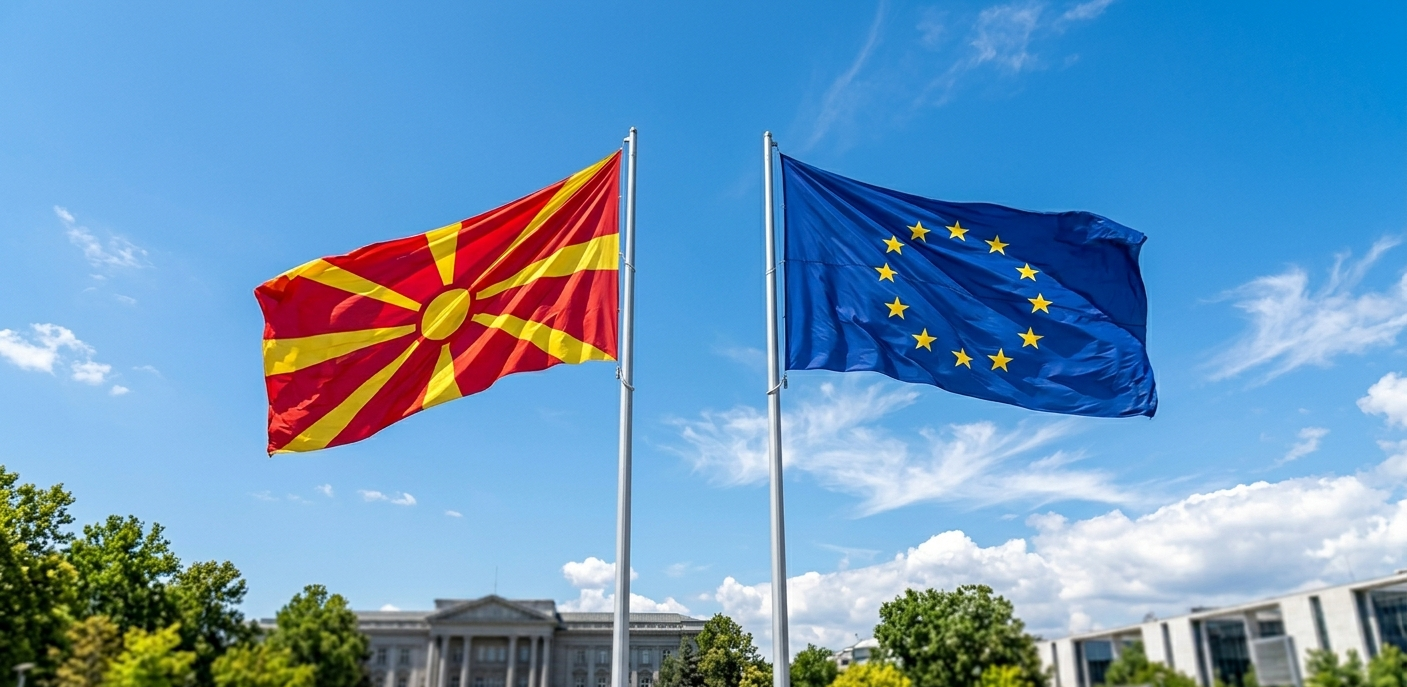
The Macedonian government has flatly rejected calls for a referendum on European Union membership, dismissing the proposal from opposition SDSM leader Venko Filipče as an unnecessary waste of time and money. In a statement issued on 28 May, the ruling VMRO-DPMNE administration insisted that its actions speak louder than any ballot, pointing to the abolition of the EU Council’s Assessment Mission and the opening of Reform Agenda funds as proof of its unwavering European orientation. “We are for the EU and that is our strategic orientation, which we are putting into practice,” the government declared, framing the referendum idea as a political stunt rather than a genuine exercise in democratic decision making.
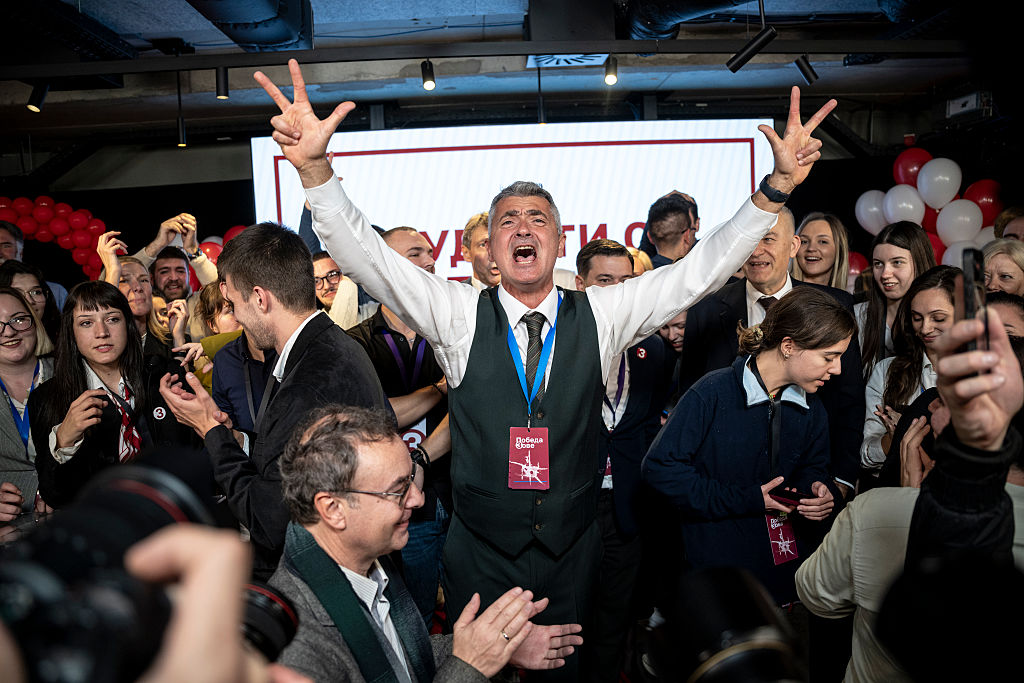
Filipče, who has been pressing for constitutional amendments to recognize Bulgarians as a condition for advancing EU accession talks, argues that EU membership is too consequential to be decided solely by Prime Minister Hristijan Mickoski. “This is not a political issue, but a referendum issue for every citizen, who should decide his own destiny,” Filipče said, positioning the popular vote as a way to build national consensus around the painful compromises Brussels demands. His stance was reinforced by former ambassador Viktor Gaber, who submitted a formal petition to parliament days earlier urging deputies to initiate referendum procedures. The opposition’s push comes at a sensitive moment, the EU’s Growth Plan for the Western Balkans has already released €76 million to Macedonia under the Reform and Growth Facility, with a fresh €65.7 million tranche approved in May 2026 contingent on progress in public finance management, energy transition, and rule of law reforms. Yet the funds flow even as the constitutional deadlock over Bulgarian recognition remains unresolved, leaving Skopje unable to open new negotiating chapters.
The government’s refusal to entertain a referendum reflects both confidence and calculation. By citing the Reform Agenda and the removal of the Assessment Mission as evidence of progress, VMRO-DPMNE is arguing that EU integration is already advancing under its stewardship and does not require additional democratic validation. The opposition counters that without a popular mandate, the government lacks the legitimacy to make the constitutional changes that Bulgaria and the EU insist upon, changes that touch on sensitive questions of national identity and historical narrative. The debate exposes a fundamental tension in Macedonia’s European project, whether accession should be driven by executive negotiation or popular consent. With Mickoski’s party having won power in 2024 on a platform that included skepticism toward the French proposal, and with Bulgaria’s Foreign Minister Velislava Petrova-Čamova warning that Sofia will block any attempt to circumvent existing obligations, the path to membership remains blocked by the same identity politics that have stalled the Balkans for decades. For now, the government has chosen to keep that path in its own hands, betting that tangible EU funds and institutional gestures will prove more persuasive to voters than a referendum question they might answer unpredictably.