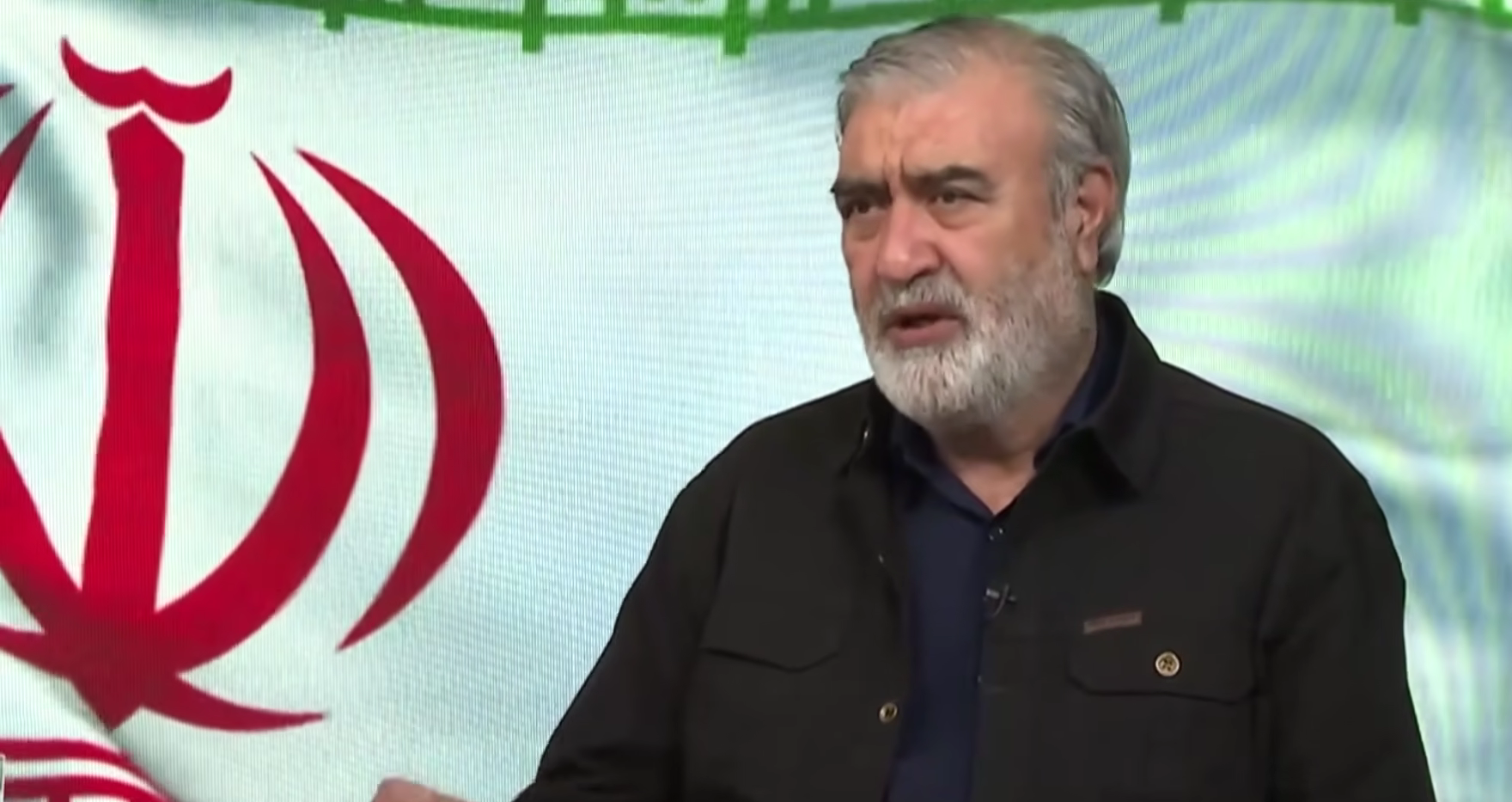
Iran will not retreat from its core demands in any negotiations with the United States, the head of the Iranian parliament’s national security committee declared on 28 May, as President Donald Trump alternately threatened and pleaded for a deal to end the nearly three month war that has paralyzed the Strait of Hormuz. Ebrahim Azizi, chairman of the parliamentary committee, listed Tehran’s non negotiable positions as the right to enrich uranium, control of the Strait of Hormuz, and the lifting of all sanctions, while mocking Trump for what he called a “strategic deadlock” of the American president’s own making. “One day Trump uses threats to save himself, the next day he begs for a deal,” Azizi wrote on X, capturing the erratic diplomacy that has defined the conflict’s twelfth week.
Trump’s own statements have fuelled the perception of inconsistency. At a Cabinet meeting on 27 May, he claimed Iran was “negotiating on fumes” and insisted that November’s midterm elections would not pressure him into a quick settlement. “They thought they were gonna outwait me. ‘We’ll outwait him. He’s got the midterms,’” Trump said. “I don’t care about the midterms.” Yet his administration has simultaneously floated a 60 day framework to extend the ceasefire and reach a “final deal,” under which Iran would give up its stockpile of highly enriched uranium in exchange for sanctions relief. The emerging terms, reported by The Washington Post and confirmed by regional officials, would see some uranium diluted and the remainder transferred to a third country, though Trump said he would be “uncomfortable” with Russia or China serving as custodians, despite their status as Tehran’s closest partners. Iran holds 440.9 kilograms of uranium enriched to 60% purity, a short technical step from weapons grade, according to the International Atomic Energy Agency.
The gulf between the two sides remains cavernous. Azizi’s red lines directly contradict Trump’s stated goal of zero enrichment and international control of Hormuz, while the president’s demand that Kuwait, Saudi Arabia, Qatar, and Pakistan join the Abraham Accords as part of any settlement was reportedly met with “stunned silence” by Gulf leaders during a weekend call. Saudi Arabia continues to insist on a guaranteed path to a Palestinian state as a precondition for normalization with Israel, a condition Jerusalem vehemently opposes. Meanwhile, U.S. “defensive” strikes on Iranian missile sites and minelaying boats on 26 May, and Iran’s retaliatory attack on an American airbase, have further eroded trust. Republican senators including Ted Cruz, Lindsey Graham, and Roger Wicker have warned that the emerging deal too closely resembles the Obama era nuclear agreement that Trump scrapped in 2018, raising the specter of a revolt within his own party if he signs what critics call a flawed peace.
For now, the war grinds on in a twilight zone between ceasefire and full scale conflict. The 60 day framework offers a theoretical off ramp, but Azizi’s defiance and Trump’s volatile messaging suggest that neither side is prepared to make the concessions necessary for a durable settlement. With oil prices hovering near $98 per barrel, Asian markets rattled, and the U.S. Congress increasingly restive over unchecked presidential war powers, the cost of deadlock rises by the day. Whether the next breakthrough comes from the negotiating table or the battlefield may depend on which leader blinks first, or whether both, trapped in their own rhetoric, choose to keep fighting rather than risk the political price of compromise.