Across Europe, working hours continue to decline, with employees now spending roughly one hour less at work per week compared to a decade ago. The trend reflects broader changes in labor markets, including the expansion of flexible work models, part time employment, and shifting attitudes toward work life balance.
According to recent European data, average weekly working time has gradually fallen across much of the continent, particularly in Western and Northern Europe, where shorter workweeks are increasingly associated with higher productivity and stronger labor protections. Countries such as the Netherlands, Germany, and Denmark consistently report some of the shortest working weeks in Europe.
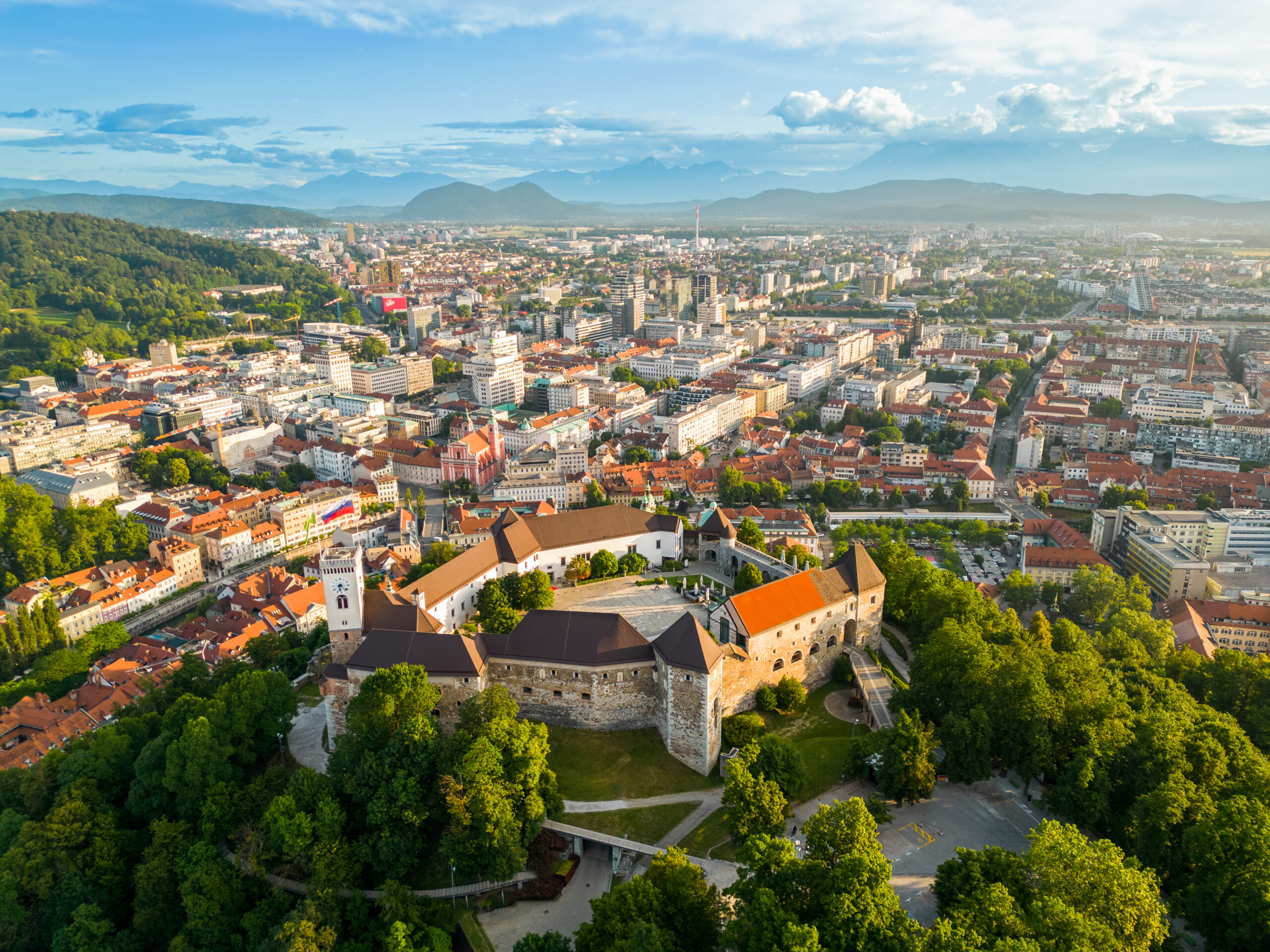
In contrast, Slovenia remains among the countries where employees spend significantly more time at work. Recent figures place Slovenia near the top of the European ranking, with an average workweek of around 38.3 hours, noticeably above the European average.
However, despite the relatively high number of hours worked, Slovenia continues to face challenges related to productivity. Economic analyses indicate that labor productivity remains below the OECD average, even though the country has made substantial progress over the past decade and has steadily narrowed the gap with more developed European economies.
Experts increasingly point out that economic success is no longer measured simply by the number of hours spent at work. Many of Europe’s most productive economies actually operate with shorter workweeks, relying instead on technological development, innovation, digitalization, and more efficient work organization.
At the same time, Slovenia has begun exploring reforms aimed at improving work life balance. New labor measures are expected to introduce more flexible arrangements for older workers, including shorter schedules and extended weekends, while maintaining most salary and social security benefits. The reforms are partly inspired by models already tested in several Western European countries.
The broader European trend suggests that productivity and competitiveness increasingly depend on efficiency rather than longer working hours. For Slovenia, the challenge remains how to translate its strong work ethic into higher productivity, greater innovation, and faster economic convergence with the continent’s most advanced economies.