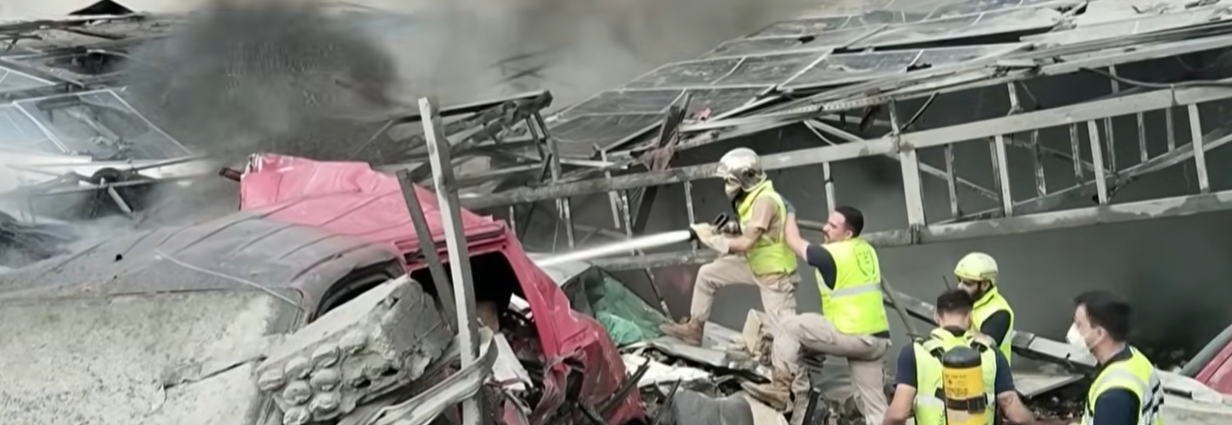
The renewed strikes cast doubt on U.S.-backed ceasefire efforts as talks are expected in Washington.
Israel and Hezbollah exchanged fire on Tuesday, just hours after U.S. President Donald Trump said the two sides had agreed to halt hostilities, raising new doubts over whether a ceasefire can take hold.
Trump said on Truth Social that Israeli Prime Minister Benjamin Netanyahu had agreed to pull back forces after a U.S. request not to proceed with a planned raid on Beirut. He also claimed that Hezbollah, through intermediaries, had agreed to stop its attacks, with Israel expected to do the same.
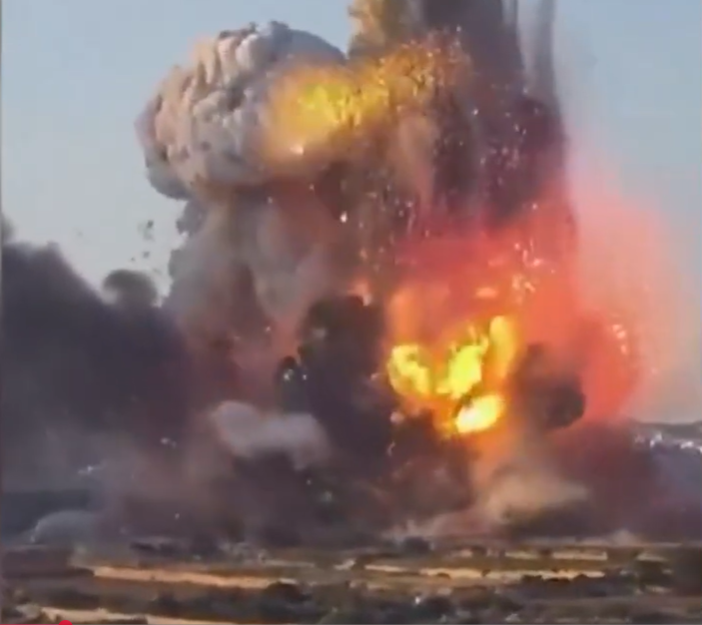
But the situation on the ground quickly appeared to contradict that announcement. Israel carried out strikes in southern Lebanon, while Hezbollah fired into northern Israel. So far, neither Israel nor Hezbollah has publicly confirmed that a formal ceasefire is in place.
Netanyahu indicated that Israeli military operations could continue, warning that Israel would strike targets in Beirut if Hezbollah continued attacks on Israeli towns and civilians.
Lebanese officials said Hezbollah had accepted a U.S.-backed proposal for a “mutual cessation of attacks.” Under that proposal, Israel would stop strikes on Beirut’s southern suburbs in exchange for an end to Hezbollah’s cross-border fire.
The latest exchange follows several days of sharp escalation. Israeli forces have reportedly carried out their deepest incursion into Lebanon in two decades, while heavy bombardment has raised fears of a wider conflict. Beirut’s southern suburbs, a Hezbollah stronghold, have also been threatened with further strikes.
Israel and Lebanon are expected to hold talks in Washington on Tuesday and Wednesday. The renewed violence could complicate U.S. efforts to broker a broader regional de-escalation, including attempts to extend a ceasefire linked to the Iran conflict.
Trump said indirect talks with Iran were moving at a “rapid pace,” while Tehran has reportedly pushed for any agreement to include Lebanon.