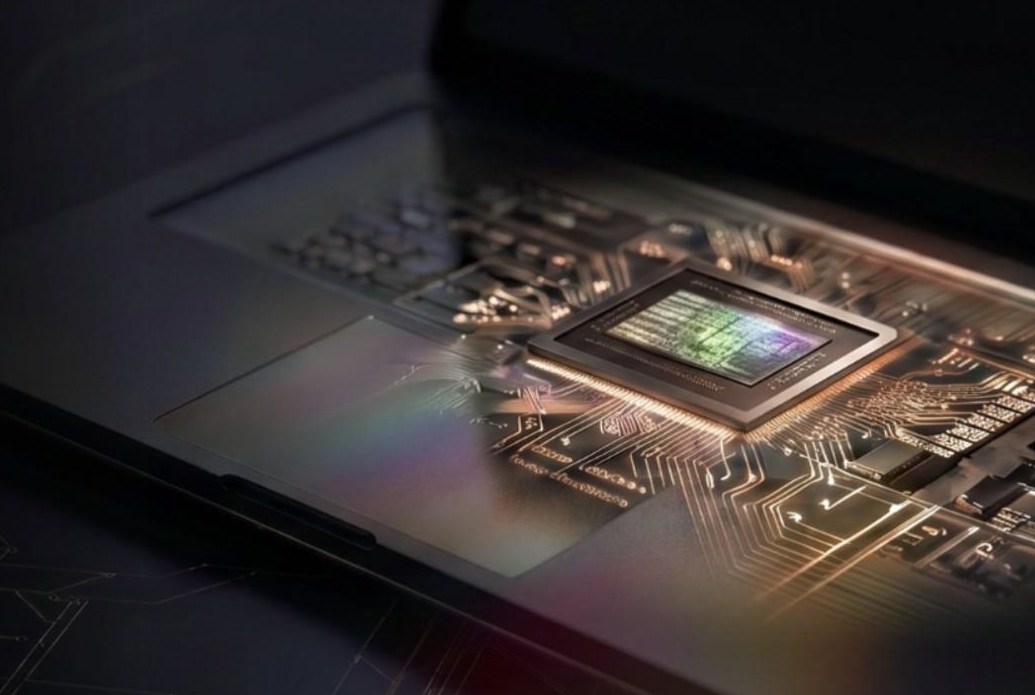
Nvidia has introduced RTX Spark, a new AI-focused superchip designed to bring advanced artificial intelligence directly to personal computers and laptops, reducing the need for constant cloud-based processing.
The announcement was made during Computex week in Taipei, where Nvidia CEO Jensen Huang presented the chip as part of the company’s broader effort to reshape the PC industry for the AI era. RTX Spark is expected to power a new generation of Windows laptops and compact desktop computers capable of running AI agents locally on the device.
Unlike traditional computers that often rely on remote servers for demanding AI tasks, RTX Spark is built to handle many of those processes directly on the user’s machine. That could lead to faster performance, better privacy and less dependence on an internet connection.
Nvidia said the chip combines its graphics and AI technologies with a design aimed at creators, developers, gamers and business users. The company is working with Microsoft and major PC manufacturers to bring RTX Spark-powered devices to market, with the first models expected later this year.
The launch also places Nvidia in more direct competition with Intel, AMD, Qualcomm and Apple, all of which are racing to dominate the emerging AI PC market. The new chip is expected to be used in premium laptops and desktop systems from major brands including Dell, HP, Lenovo, Asus, MSI and Microsoft.
Huang described the shift as a new stage in personal computing, comparing the rise of AI-powered computers to the transformation from traditional phones to smartphones. The idea is that computers will no longer function only as tools, but as intelligent assistants capable of helping users complete complex tasks.
Alongside RTX Spark, Nvidia also highlighted its next-generation Vera processor, aimed at advanced AI systems and data centers. The company sees AI chips as one of the biggest drivers of future growth, as demand for artificial intelligence hardware continues to surge worldwide.
Industry analysts say RTX Spark could accelerate the transition toward computers with built-in AI agents, especially as more software companies redesign apps to take advantage of local AI processing. Adobe, for example, is expected to optimize major creative tools such as Photoshop and Premiere Pro for the new architecture.
For everyday users, the technology could eventually mean laptops that can edit video faster, run AI assistants privately, generate content locally, support advanced gaming and handle demanding work without relying entirely on cloud platforms.
Nvidia’s move signals that the next major battle in technology may not only be about smartphones or cloud services, but about who controls the future of AI-powered personal computers.