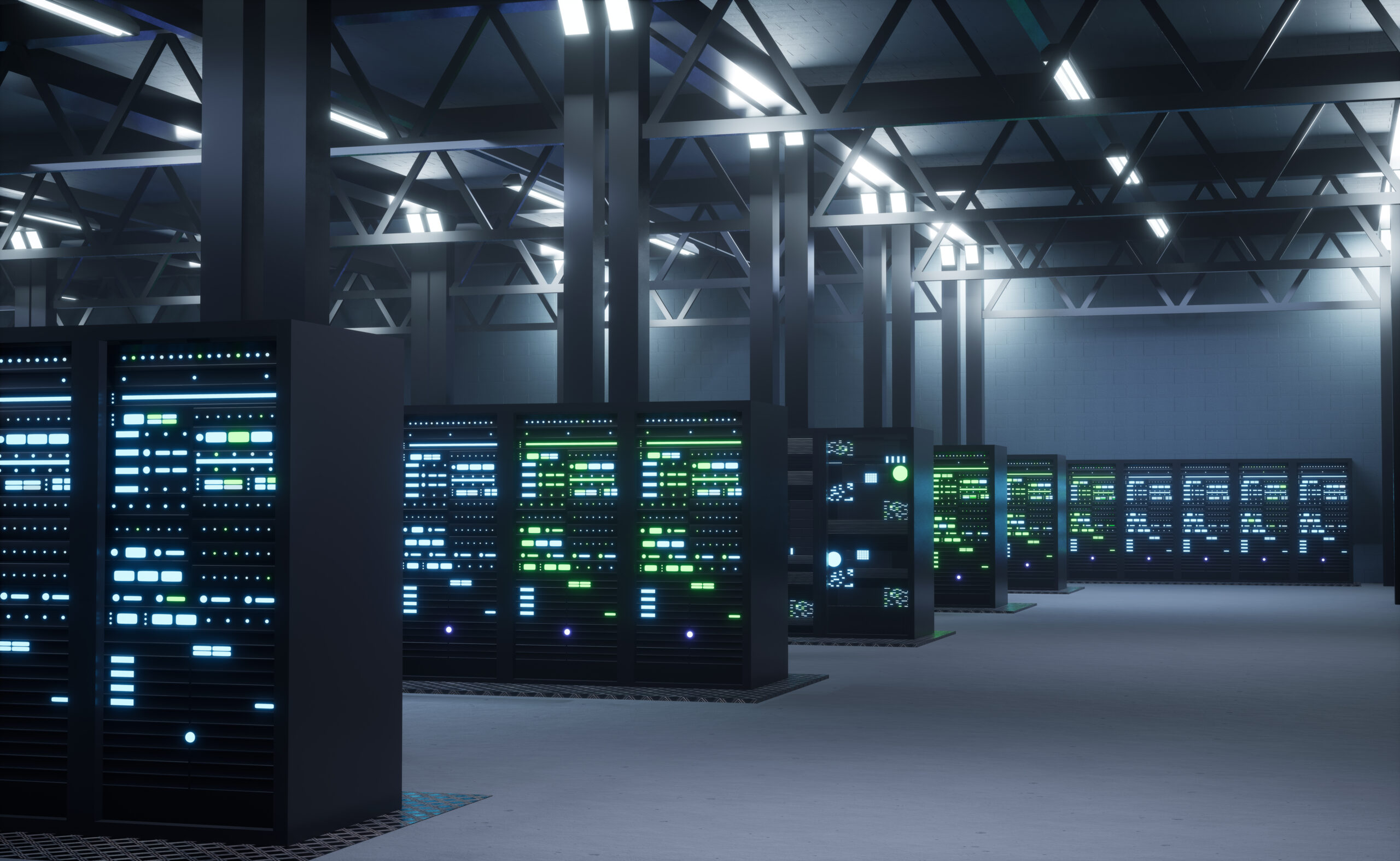
Voters in Monterey Park, California, resoundingly approved Measure NDC on 2 June, making the Los Angeles suburb the first city in the United States to permanently prohibit data centers through a ballot initiative. With roughly 86% of votes counted in favor, the measure amends the city’s general plan and land use framework to bar the facilities citywide, with the ban remaining in effect unless future voters choose to reverse it. The outcome represents a decisive victory for community organizers who spent months campaigning against a proposed 250,000 square foot hyperscale data center that investment firm HMC StratCap had planned to build in a vacant office complex purchased for $39 million in late 2024.
The campaign was driven by grassroots opposition to the HMC StratCap proposal, which included backup diesel generators and a 24,000 square foot electrical substation. Local groups San Gabriel Valley Progressive Action and “No Data Center in Monterey Park” warned that the facility would strain electricity grids, consume large amounts of water, degrade air quality, and generate noise from cooling equipment, all with limited local economic benefit. In January, the city council imposed a 45 day moratorium on data centers, extended it to ten months in March, and ultimately placed the permanent ban on the June ballot. Mayor Elizabeth Yang noted that the developer’s legal counsel had threatened litigation, calling the city’s opposition “hostile” and evidence of “ill will and bias,” but HMC StratCap withdrew its application in April and confirmed it would not contest the ballot measure. “Residents showed up, spoke out, and made it clear they wanted a say in what happens in our city,” Yang said.
The Monterey Park vote arrives amid a national backlash against data center proliferation. A May Gallup survey found that 70% of Americans oppose data center construction in their communities, with 48% in “strong opposition.” Environmental activist Erin Brockovich launched a reporting website in April to track community complaints, while a United Nations University report warned that data centers are expected to double their power and water consumption by 2030 as AI demand surges. Across the country, more than 4,300 data centers are already in operation, and several states are tightening regulations. The UN report cautioned that unless governments address the environmental costs, the rapid AI rollout could strain land resources and create mountains of electronic waste. “The public debate still often treats AI as software, but AI is also physical infrastructure,” said report lead author Kaveh Madani. For Monterey Park, the ban is a landmark assertion of local democratic control over a technology industry accustomed to operating at global scale, for the broader data center industry, it signals that community resistance may soon become a structural constraint on expansion.