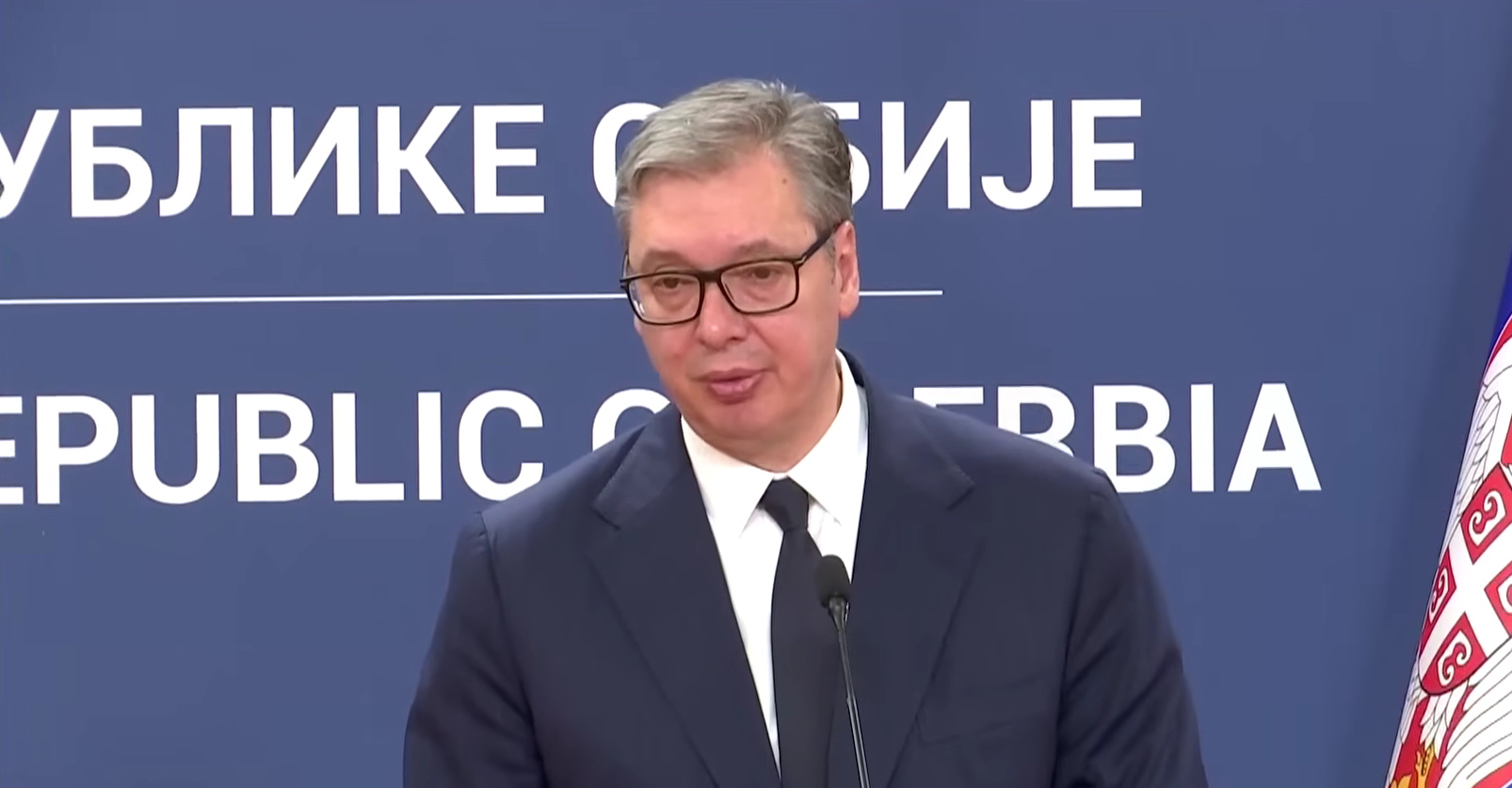
Serbian President Aleksandar Vučić has brushed aside a stark security warning from his own intelligence agency and confirmed he will attend the European Political Community Summit in Tivat, Montenegro, telling European Council President António Costa that he is “neither afraid, nor fascinated by threats.” The defiant stance follows an extraordinary public announcement by Serbia’s Security Intelligence Agency (BIA) that it had formally advised Vučić not to travel because operational findings placed Radoje Zvicer, the fugitive leader of the Kavač drug clan and one of Europe’s most wanted men, in Montenegro. Vučić responded on Instagram with characteristic bravado: “Take off Vučić’s head, I am neither afraid, nor am I fascinated by threats. The only thing I care about is how to make our people live better and how to make Serbia even more successful.”
The security warning is not without basis. Zvicer, who has been on the run since Montenegro’s Special State Prosecution indicted him in 2023 for creating a criminal organization and murdering two members of the rival Škaljari clan, is the subject of an updated Europol arrest warrant requested by Austria for alleged cocaine trafficking. The Kavač and Škaljari clans have been engaged in a bloody turf war since 2014, with more than 70 lives claimed across Montenegro, Serbia, Austria, Greece, and Turkey. Encrypted communications revealed that the Kavač clan had penetrated high levels of rival organizations and maintained links to Serbian state institutions, including the ultra group Janjičari associated with Partizan Belgrade. Zvicer survived assassination attempts in Kyiv in 2020 and near Bosnia’s Jahorina ski resort in 2021, and his presence in Montenegro, if confirmed, would represent a significant security risk for any high profile Serbian visitor.
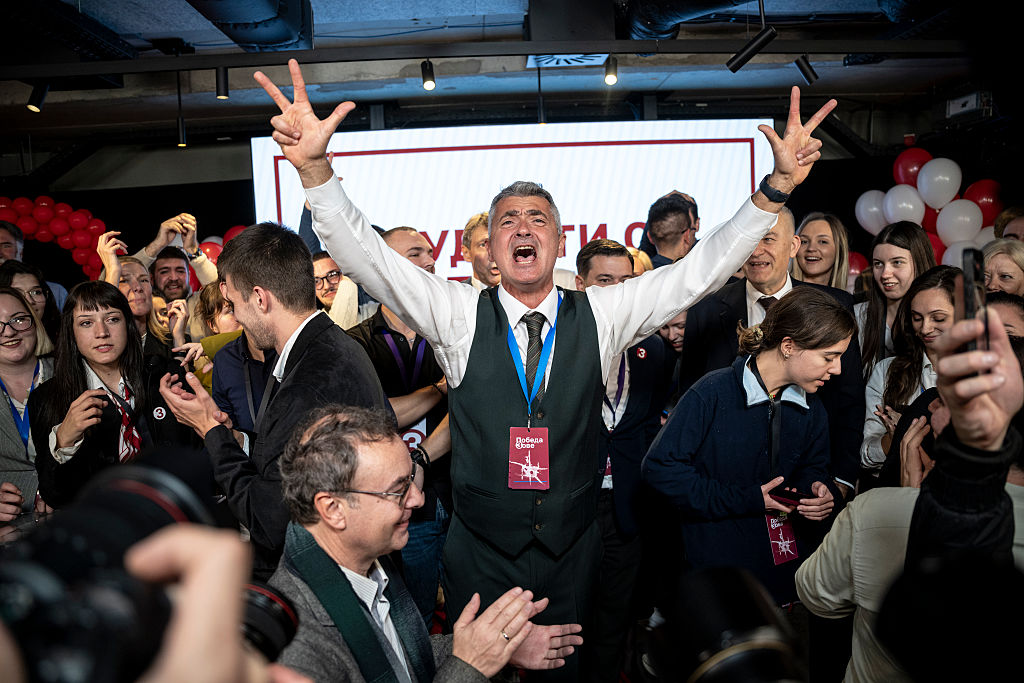
The summit backdrop is already fraught with bilateral tension. On the eve of the gathering, Montenegrin authorities detained a charter flight from Belgrade at Tivat airport and banned all passengers from entering the country after discovering banners reading “Serbia wins,” a long distance communication device, and a marine radio station among their luggage. The incident, announced by Montenegro’s Police Directorate, added a fresh layer of hostility to relations already strained by Vučić’s recent dismissal of Montenegro’s independence anniversary as a “glamorous celebration of secession” and Podgorica’s sharp diplomatic rebuke. The European Political Community Summit in Tivat, part of President Costa’s tour of all six Western Balkan countries, is meant to focus on gradual integration, security, and the EU’s Growth Plan for the region. Yet with Vučić travelling against his own intelligence service’s advice, a mafia kingpin allegedly at large in the host country, and an airport incident fueling nationalist grievances, the diplomatic agenda risks being overshadowed by the very instability the summit was designed to address. Whether Vučić’s show of fearlessness strengthens his domestic standing or merely courts the kind of incident that could derail regional cooperation will become clear when he arrives in Tivat.