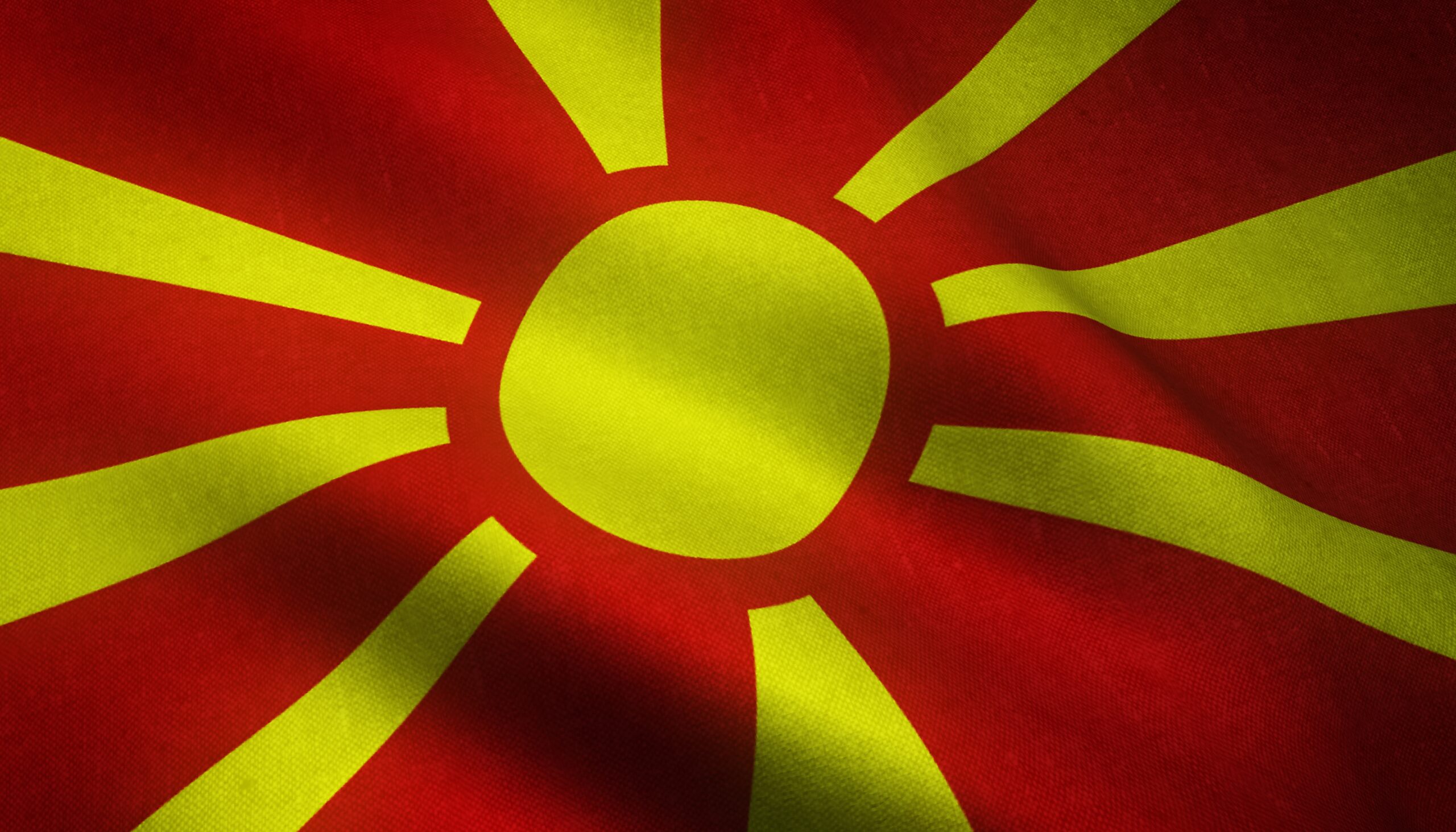
Macedonia has been elected for the first time to the United Nations Economic and Social Council, securing 174 votes in a General Assembly ballot in New York on 4 June. The three year term, running from 2027 to 2029, places the country in one of the six principal organs of the UN and gives it a seat at the table where global economic, social, developmental, and humanitarian policies are coordinated. The vote represents a significant diplomatic victory for Skopje, which has been steadily expanding its footprint in international bodies in recent years.
ECOSOC serves as the central platform for debating global challenges and forging consensus across the UN system. Its 54 members are elected annually by the General Assembly for overlapping three year terms, with seats allocated by geographical representation, six for Eastern European states in Macedonia’s group. The council coordinates fifteen specialized UN agencies, including the World Health Organization and the International Labor Organization, and oversees the High Level Political Forum that reviews progress on the Sustainable Development Goals. For Macedonia, membership means direct participation in discussions on sustainable development, social justice, economic cooperation, human rights, gender equality, education, and health, areas where the country has sought to build credibility through active engagement in multilateral forums.
The election follows a period of intensified multilateral activity. Macedonia was already elected to the UN Human Rights Council for 2025–2027 and to the Executive Council of the Organisation for the Prohibition of Chemical Weapons for the same term. It chaired the OSCE in 2023, with Ukraine as the top priority, and has committed to upholding European Court of Human Rights judgments and Venice Commission recommendations within the Council of Europe. The ECOSOC seat, however, carries particular weight because it places Macedonia in a body that shapes the UN’s development agenda and coordinates responses to crises ranging from poverty and hunger to climate change and pandemic preparedness. The 174 vote margin suggests broad cross regional support, though it also comes at a time when the country’s EU accession remains stalled by the Bulgarian veto and constitutional deadlock. Whether the UN platform can compensate for the European frustration, or whether it merely highlights the gap between Skopje’s multilateral ambitions and its blocked regional integration, will depend on how effectively Macedonia uses its new seat to advance both national interests and global solidarity.