Teachers’ Protests Disrupt the Capital Days Before the Tournament
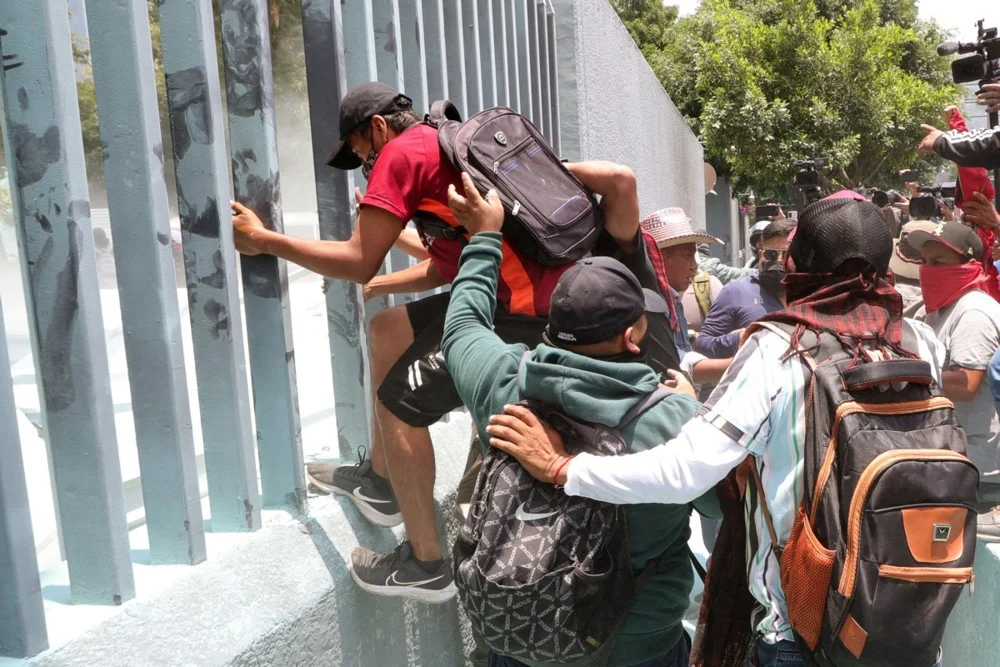
Mexico City is entering the final stage of preparations for the 2026 FIFA World Cup amid large-scale demonstrations organized by members of the National Coordinator of Education Workers (CNTE). Thousands of teachers have occupied key parts of the city center for weeks, demanding salary increases, pension reforms, and improved working conditions.
The protests have resulted in road blockades, disruptions to public transportation, and significant traffic congestion across the Mexican capital. Demonstrators have established camps in central areas and have continued organizing marches and public gatherings despite ongoing negotiations with government authorities.
The unrest comes only days before the opening match of the tournament, which will be played at the Azteca Stadium in Mexico City. Authorities have expressed concern about the impact of the demonstrations on mobility and logistics, while teachers’ representatives have stated that their demands remain unresolved.
Schools Closed and Remote Work Introduced for Opening Day
To reduce pressure on the city’s transportation network and facilitate the movement of fans and visitors, authorities in Mexico City have announced special measures for the day of the World Cup opener.
Schools will remain closed, while educational activities will be conducted online. Public administration employees have also been encouraged to work remotely from home. The measures are intended to limit traffic congestion and ease access to the stadium and surrounding areas during one of the largest events in the city’s recent history.
Officials expect significant movement of spectators, tourists, and accredited personnel throughout the capital, prompting additional planning focused on mobility, public transport, and crowd management.
More Than 117,000 Residents Trained to Welcome Tourists
Alongside operational preparations, Mexico has invested heavily in programs designed to improve the experience of international visitors during the World Cup.
Authorities announced that approximately 117,000 people have completed training programs aimed at assisting and welcoming tourists. Participants received guidance on hospitality, visitor services, cultural awareness, and providing information to foreign guests expected to arrive during the tournament.
The initiative forms part of a broader effort to strengthen the country’s readiness as one of the three hosts of the 2026 FIFA World Cup. The program seeks to improve communication between residents and visitors while promoting a positive image of Mexico during the global sporting event.
Security and Logistics Remain Key Priorities
Government institutions continue coordinating security, transportation, tourism, and emergency-response plans ahead of the opening match. Authorities are working to ensure the smooth operation of transport systems, maintain public order, and manage the expected influx of domestic and international visitors.
At the same time, the ongoing teachers’ demonstrations remain one of the main challenges facing Mexico City before kickoff. The protests have highlighted social and labor issues that continue to generate public debate even as the country prepares to host one of the most significant sporting events in the world.
Despite the tensions and logistical challenges, preparations for the opening of the 2026 FIFA World Cup are continuing, with authorities implementing special measures intended to ensure that Mexico City is ready to welcome fans, teams, and visitors from around the globe.