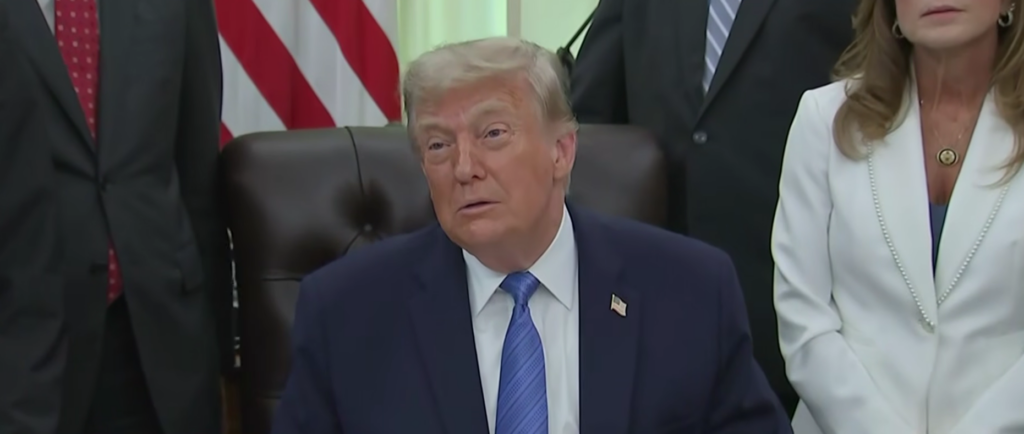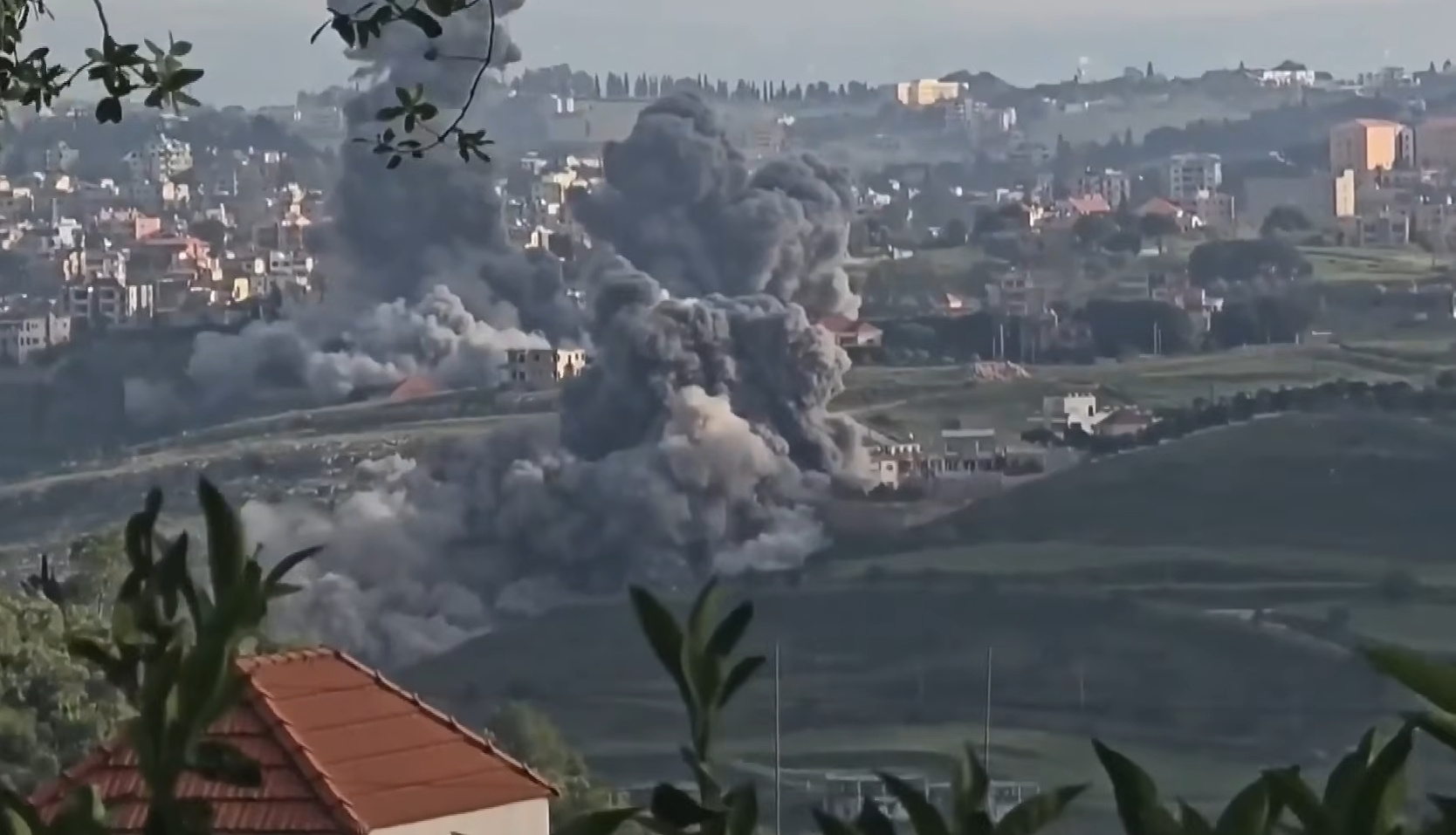
The United States and Iran have traded military blows for a second consecutive day, shredding what remained of a shaky ceasefire brokered in April and plunging the Middle East deeper into crisis. US Central Command announced it carried out “self defense strikes” targeting Iranian military, surveillance, and radar installations in southern Iran, just hours after President Donald Trump warned Tehran that US forces would hit “hard again” following the previous day’s bombardment. Iran’s Islamic Revolutionary Guard Corps responded with a wave of ballistic missiles and drone attacks against US military assets across the Gulf, striking bases in Bahrain and Kuwait for the second day running and firing twelve ballistic missiles at the Muwaffaq Salti Airbase in Jordan. Jordanian air defenses intercepted approximately twenty missiles, while Bahrain activated air raid sirens as falling shrapnel damaged homes and vehicles in Manama and Hamad Town, injuring an eleven year old girl. Kuwait temporarily closed its airspace before reopening it early Thursday, its army confirming that anti air defense systems had engaged “hostile aerial targets.”
The escalation marks a dramatic collapse of the two week ceasefire agreed on April 7, which was already fraying under repeated violations from both sides. The immediate trigger for the latest exchange was the downing of a US Army helicopter over the Strait of Hormuz, which Washington blamed on Iran and which CENTCOM cited as justification for its initial strikes on Tuesday evening. Those strikes hit Iranian air defense and ground control stations near the vital waterway, prompting Tehran’s retaliatory barrage. Iranian state media reported explosions around Tehran, the port city of Bandar Abbas, and other southern areas, while the IRGC claimed to have hit two oil tankers passing through the strait shortly after declaring it “completely closed to all types of vessel.” CENTCOM countered that commercial shipping was continuing to transit, though the conflicting claims sent Brent crude climbing to around $95 per barrel. The IRGC warned it was ready to deliver a “crushing and decisive” response to any further US attack, and Iranian President Masoud Pezeshkian vowed that Tehran “will stand firm against any pressure or threat.”
Trump’s rhetoric has hardened alongside the fighting. Writing on Truth Social, the president accused Iranian leaders of having “taken too long to make a deal,” while Defense Secretary Pete Hegseth declared that bombs would be “dropping on key facilities” and that Iran had been given its chance at diplomacy. The Iranian foreign ministry fired back, accusing Washington of “damaging the diplomatic process through the contradictory messages it sends.” The breakdown comes after months of on again, off again negotiations mediated by Pakistan, during which Trump reportedly claimed at least thirty eight times that a deal was imminent between March and early June. UN Secretary General António Guterres warned that the Middle East is “being pulled deeper into crisis” and that the ceasefire has devolved into nothing more than a “lesser fire,” urging all parties to pursue a diplomatic settlement before the conflict spirals into full scale war. With both sides now locked in a cycle of retaliation and the Strait of Hormuz, the chokepoint through which roughly 20% of the world’s traded oil passes, hanging in the balance, the prospect of a negotiated resolution appears more distant than at any point since the war began in February.