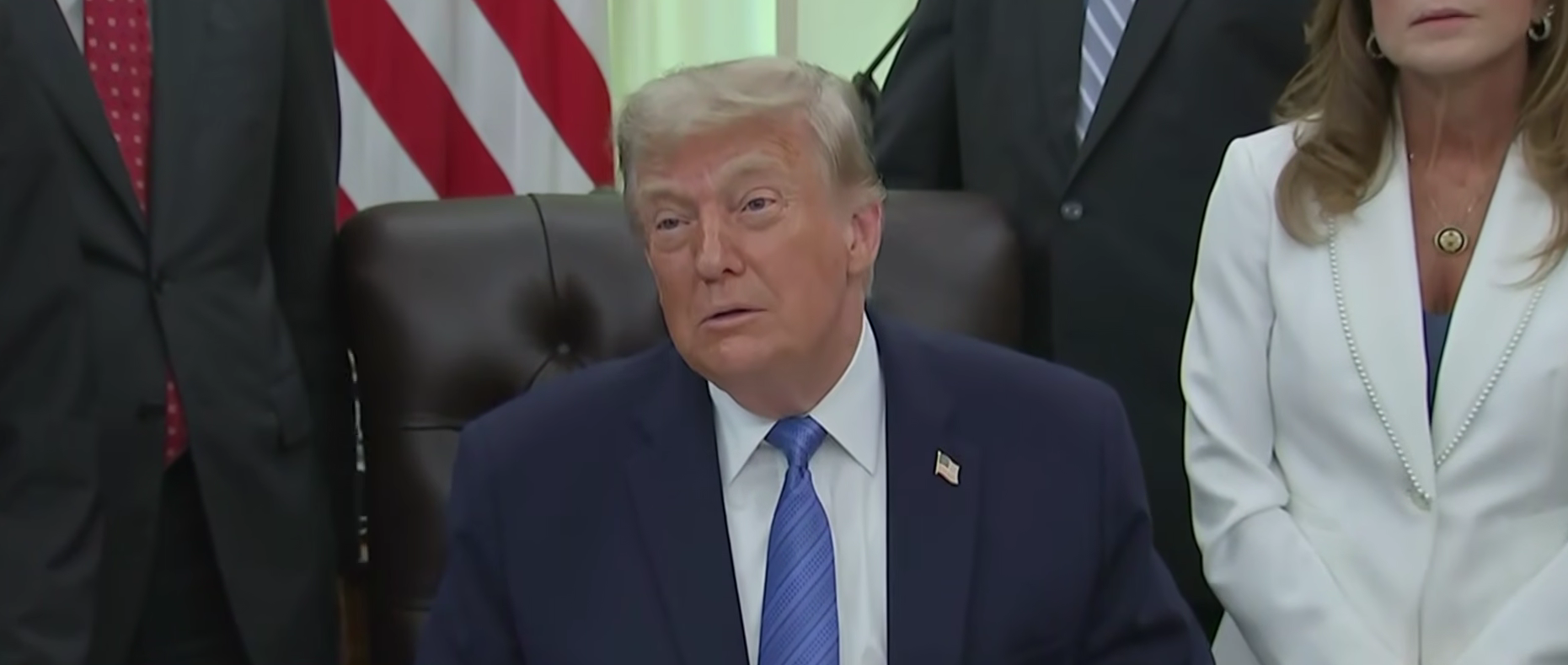
President Donald Trump has defended his administration’s approach to the ongoing conflict with Iran despite a sharp rise in inflation, arguing that current price increases are largely tied to disruptions in global energy markets and will ease once tensions in the Middle East subside. His remarks came after new economic data showed annual inflation in the United States has climbed above 4% for the first time in three years, raising concerns about the cost of living and the broader economic outlook ahead of November’s midterm elections.
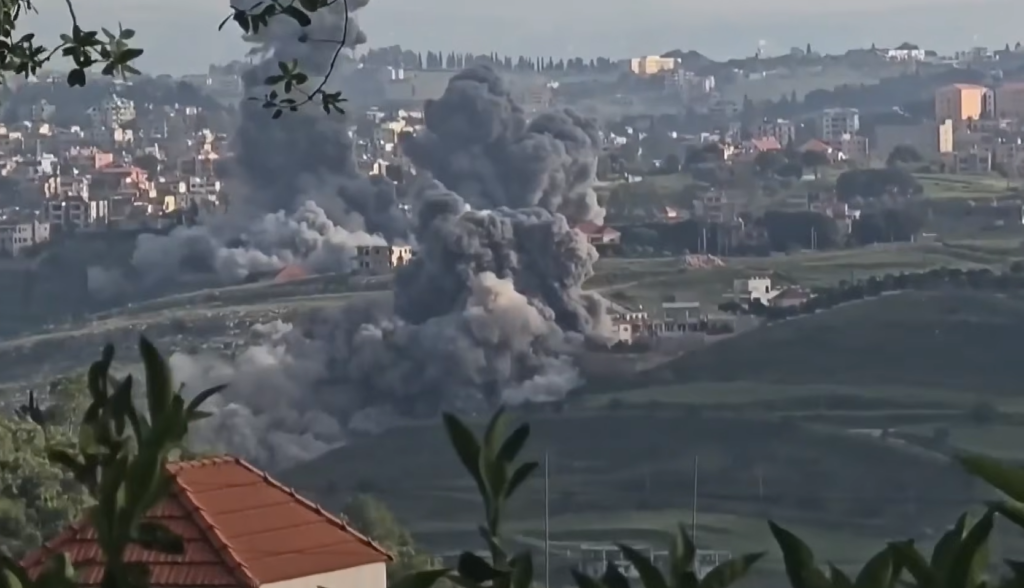
Speaking to reporters, Trump appeared unfazed by the latest figures, stating that he was confident inflation would fall once stability returns to the region. The president pointed to the conflict involving Iran and the disruption of shipping routes through the strategically important Strait of Hormuz as major factors behind higher oil prices. The waterway is one of the world’s most important energy transit corridors, and reduced traffic through the strait has contributed to rising fuel costs, which are now affecting transportation, manufacturing and consumer goods prices across multiple sectors.
The increase in energy costs has become a key driver of inflation in recent months. Economists note that higher fuel prices often have a ripple effect throughout the economy, increasing expenses for businesses and ultimately pushing consumer prices higher. While inflation remains well below the levels seen during the peak of the post pandemic surge in 2022, analysts warn that persistent energy market disruptions could prolong pressure on households and businesses. Several financial institutions have also cautioned that elevated inflation may complicate efforts by the Federal Reserve to lower interest rates in the near future.
Trump defended decisions taken during the conflict, including efforts to maintain oil shipments and protect energy supplies, arguing that short term economic costs were necessary to address broader security concerns. He reiterated that preventing Iran from obtaining nuclear weapons remains a priority and suggested that any eventual diplomatic agreement could help restore stability to global energy markets. However, industry experts have warned that even if a deal is reached, it could take months before supply chains and shipping operations return to normal levels.
The inflation debate is becoming increasingly significant as Americans continue to face affordability challenges. Rising costs for fuel, transportation and everyday goods remain among the top concerns for voters, placing additional political pressure on both the White House and congressional Republicans ahead of key elections. Analysts say that while inflation has not returned to the record highs of recent years, the renewed upward trend is likely to remain a central issue in the national political conversation.
The latest developments highlight the close connection between geopolitics and economic stability. As the conflict with Iran continues to influence global energy markets, policymakers, businesses and consumers will be watching closely to see whether diplomatic efforts can ease tensions and help bring inflation back under control. For now, uncertainty surrounding energy supplies and international security remains a major factor shaping the economic outlook in the United States and beyond.