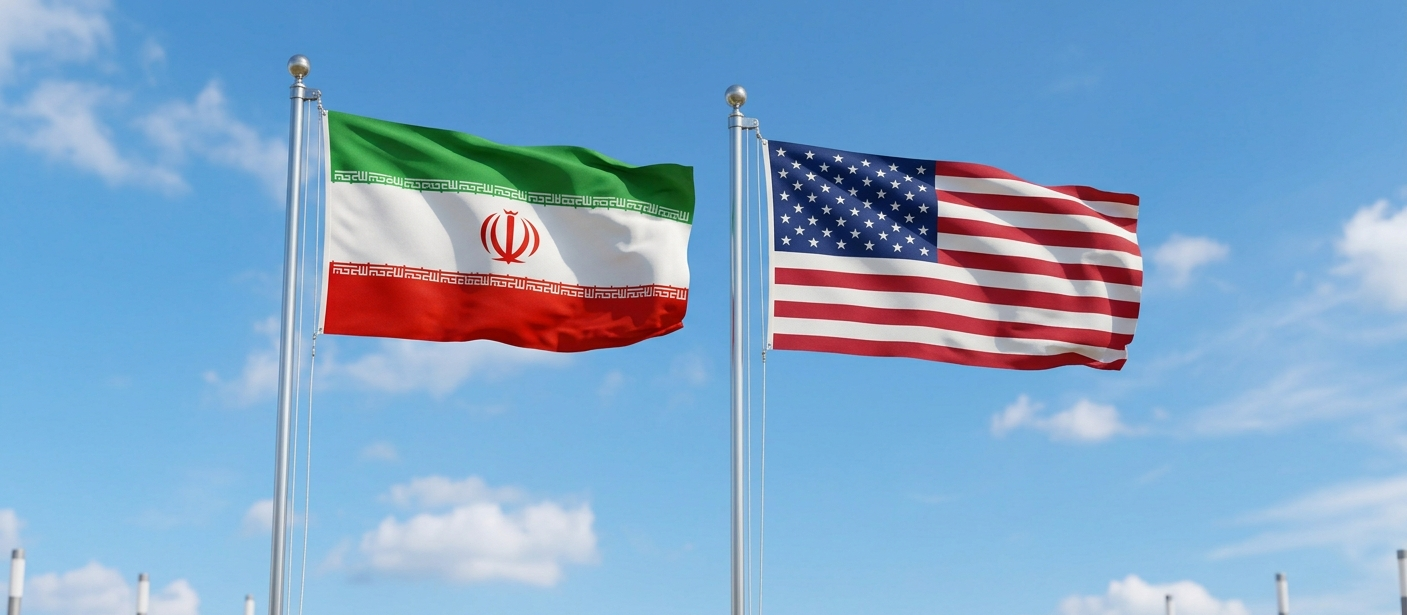
Qatar and Pakistan, the key mediators between Washington and Tehran, have announced “positive progress” in indirect negotiations aimed at resolving outstanding issues from the preliminary US-Iran peace agreement signed two weeks ago. Qatari Foreign Ministry spokesperson Majed al-Ansari confirmed the advancement following a new round of talks held in Doha, where representatives from both sides met separately with mediators shuttling proposals and positions between the American and Iranian delegations. The two sides agreed to continue discussions in the coming period, with a new meeting to be scheduled as soon as possible after the conclusion of funeral ceremonies for former Supreme Leader Ayatollah Ali Khamenei.
Khamenei’s funeral represents both a logistical and symbolic complication for the diplomatic process. The former Supreme Leader, killed in an Israeli air strike at the end of February during the opening phase of the war, has remained unburied for more than four months as Iran navigated the conflict and its aftermath. Ceremonies are set to begin on July 4 in Tehran and the holy city of Qom, culminating in burial at the Imam Reza Shrine in Mashhad on July 9. The timing means that substantive negotiations on the memorandum of understanding, particularly the thorny issues of nuclear inspections, sanctions relief, and Hormuz transit arrangements, will likely be paused during a period of national mourning that Iranian authorities expect to draw massive crowds, including foreign dignitaries from Pakistan, Afghanistan, India, Bangladesh, and Kashmir.
The progress in Doha comes amid a complex diplomatic landscape. Iran has simultaneously approached at least two Persian Gulf Arab states seeking de escalation arrangements similar to one reportedly discussed with the UAE, under which Tehran would halt missile and drone attacks in exchange for economic and security understandings. Meanwhile, Iranian lawmakers are asserting parliamentary oversight over any final agreement, with MP Alireza Salimi stating that any binding arrangement must be reviewed by parliament and cannot violate Iran’s 2020 Strategic Action Law, which mandates expanded nuclear activities if US sanctions are not lifted. The head of parliament’s National Security Committee, Ebrahim Azizi, has framed proposed Hormuz transit legislation as historically significant as Iran’s oil nationalization, signaling Tehran’s determination to maintain control over the strategic waterway even as negotiations proceed. For the mediators, the challenge is to sustain momentum through the funeral pause while preventing the “positive progress” from dissolving into the same cycle of contradictory claims that has plagued previous rounds.