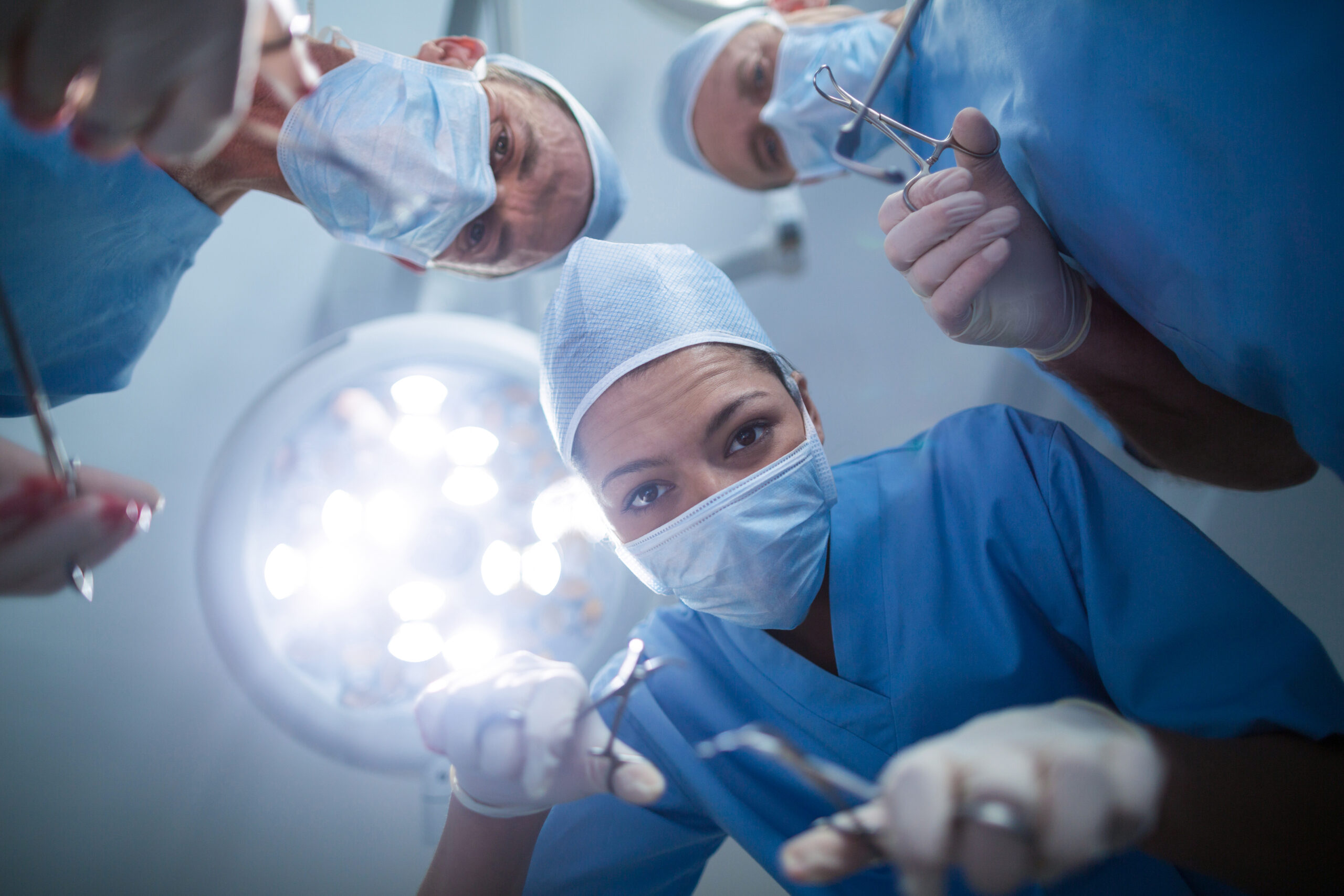
KBC Split has achieved a historic milestone in Croatian medicine by successfully performing the country’s first procedure using autologous bone marrow derived stem cell concentrate to treat degenerative temporomandibular joint (TMJ) conditions. The groundbreaking operation, carried out by the hospital’s Department of Maxillofacial Surgery, marks Croatia’s entry into an expanding field of regenerative therapies that aim to harness the body’s own healing mechanisms to repair damaged joint tissue rather than merely masking symptoms. By using the patient’s own biological material, the procedure eliminates rejection risks while targeting the root causes of joint degeneration.
The treatment involved extracting bone marrow from the patient, processing it during the operation to create a concentrated solution rich in mesenchymal progenitor cells and other regenerative biological factors, and applying it directly into the affected jaw joint. This autologous approach is particularly significant because these progenitor cells play a key role in tissue repair and regeneration, potentially stimulating the repair of joint structures and cartilage while reducing chronic pain and improving mandibular function. The surgical team, led by specialists Ema Puizina, Danijel Jerković, Dinko Martinović, and Slaven Lupi-Ferandin with support from anesthesiology and nursing staff, emphasized that the procedure places KBC Split among European centers offering advanced regenerative treatments comparable to leading international institutions. Dr. Puizina noted that regenerative medicine is increasingly transforming the treatment of musculoskeletal disorders and is now finding wider application in maxillofacial surgery, where the goal is to preserve natural joint function and improve patients’ quality of life through the body’s own regenerative capacity.
Temporomandibular joint disorders represent a significant clinical challenge, affecting millions worldwide with symptoms ranging from chronic jaw pain and clicking to severe limitations in chewing, speaking, and mouth opening. Traditional interventions, including physical therapy, anti inflammatory medications, and invasive surgical procedures, often provide only temporary relief or carry substantial recovery burdens. The introduction of stem cell therapy offers a biologically based alternative that targets the degenerative processes underlying these conditions. According to a 2018 randomized controlled trial conducted at the University of Sassari in Italy, patients receiving intra articular injections of bone marrow nucleated cells experienced significantly better pain relief, chewing efficiency, and maximum mouth opening at 12 months compared to those treated with hyaluronic acid, though researchers noted that further studies are needed to confirm long term cartilage regeneration. Similarly, German clinical studies have demonstrated that mesenchymal stem cells injected into arthritic temporomandibular joints can produce statistically significant positive effects on cartilage regeneration, with bone marrow derived concentrates showing particular promise in osteoarthritis treatment across multiple joints.
This latest achievement builds upon KBC Split’s growing reputation in regenerative maxillofacial medicine. In 2023, the same department performed Croatia’s first autologous stem cell transplantation from the shin to the jaw, treating a patient with extensive osteoradionecrosis following oncological radiotherapy, a procedure that hospital leadership described as placing the institution on par with the most advanced clinical centers worldwide. Head of Department Saša Ercegović has consistently emphasized that these regenerative protocols represent the pinnacle of multidisciplinary surgical care, offering patients state of the art treatment while avoiding more extensive procedures that significantly impact postoperative quality of life. The continuity of these innovations suggests that Croatian maxillofacial surgery is systematically integrating evidence based regenerative approaches into standard practice rather than pursuing isolated experimental interventions.
The advancement comes at a time when regenerative medicine is gaining momentum across European oral and maxillofacial surgery. Recent systematic reviews and meta analyses published in 2026 indicate that bone marrow derived stem cells continue to show promise for bone regeneration in craniofacial applications, with clinical studies demonstrating successful graft integration and new bone formation in mandibular defects. While challenges remain, including the invasive nature of bone marrow harvesting, the decline in cell quality with patient age, and the need for standardized treatment protocols, the field is moving steadily toward broader clinical implementation. For Croatia, the successful introduction of TMJ stem cell therapy represents not only an immediate benefit for patients suffering from debilitating jaw disorders but also a strategic positioning within the European medical landscape, demonstrating that regional hospitals can deliver cutting, edge, patient, centered care that rivals institutions in much larger nations.