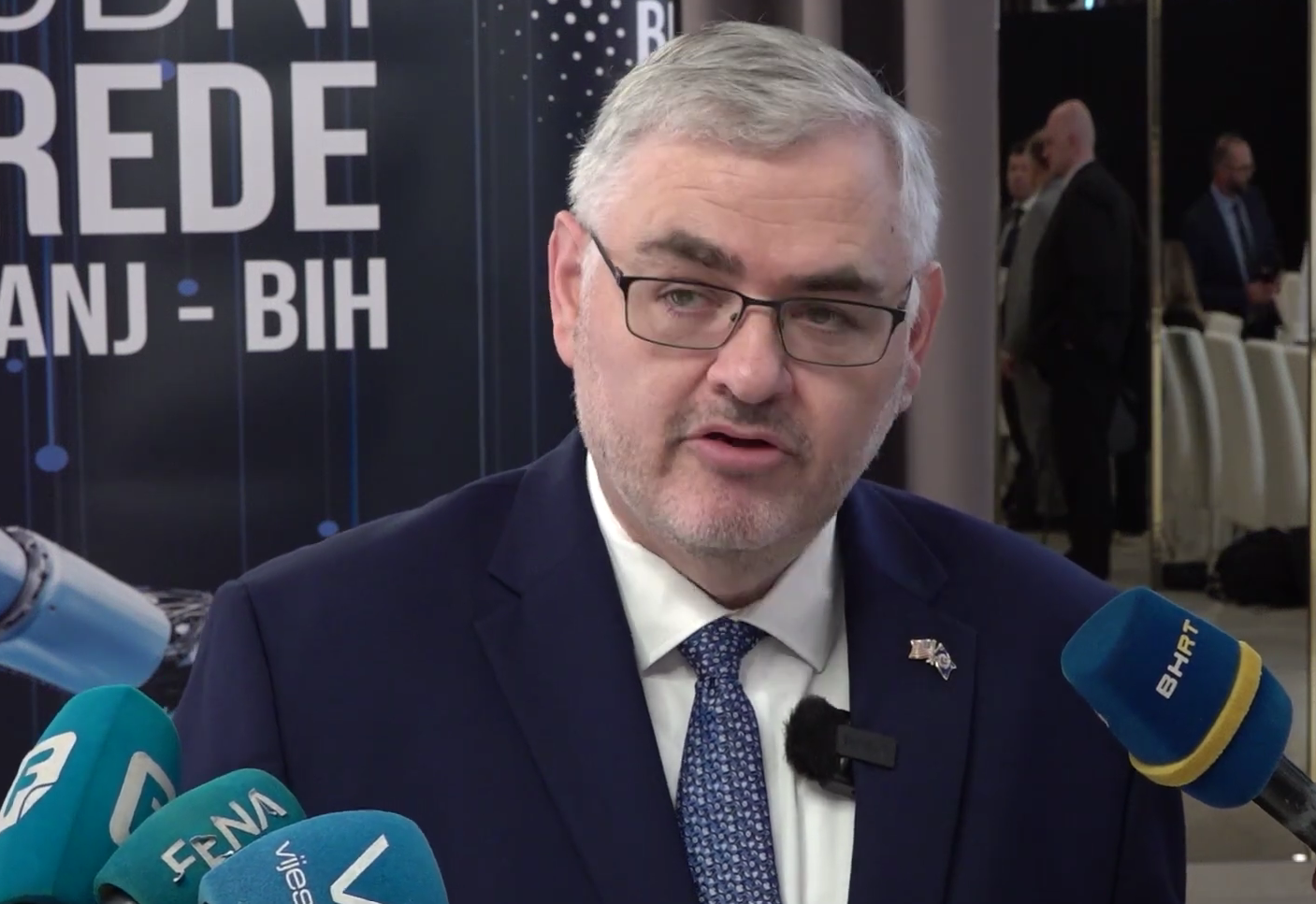
American diplomat Louis Crishock has officially assumed the role of acting High Representative for Bosnia and Herzegovina, taking over from Christian Schmidt in a handover ceremony at the Office of the High Representative headquarters in Sarajevo. Crishock, who previously served as Deputy High Representative and Supervisor for the Brčko District, was appointed by the Peace Implementation Council Steering Board with full powers until July 14, when a permanent successor to Schmidt is expected to be chosen.
The transition comes after Schmidt’s resignation in May under pressure from the Trump administration, which had pushed for Italian diplomat Antonio Zanardi Landi to succeed him. That nomination faced stiff opposition from European powers, with France proposing its special envoy for the Western Balkans, René Troccaz, backed by Germany and the United Kingdom. The transatlantic deadlock has left the PIC with a two week window to reach consensus on a permanent appointment, a timeline that coincides with Crishock’s interim mandate and underscores the deepening divergence between Washington and Brussels over the future of international engagement in the Balkans.
Crishock’s immediate challenge is to maintain stability during a period of heightened uncertainty. In his handover remarks, he pledged that the OHR would continue working to preserve peace and stability, support BiH institutions, and ensure full respect for the Dayton Peace Agreement and Bosnia’s constitutional order. Yet the context is fraught, Schmidt’s nearly five year tenure was marked by extensive use of the Bonn Powers, including electoral law changes imposed on election night in 2022 and the suspension of the Federation entity constitution, to counter obstruction by Republika Srpska leaders, particularly Milorad Dodik, who never accepted Schmidt’s legitimacy and has celebrated his departure. The US has signaled that Schmidt’s successor will have a more limited role, with Deputy Ambassador to the UN Tammy Bruce stating that the OHR was “never meant to be permanent.”
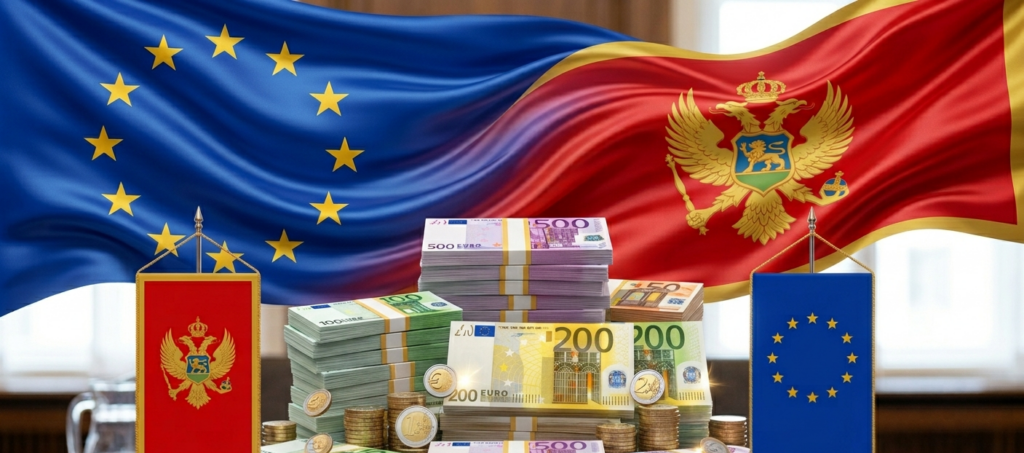
For Bosnia and Herzegovina, the stakes extend far beyond the identity of the next High Representative. The country is preparing for October elections under a new biometric voting system, facing European Parliament demands to end political blockades and appoint a chief negotiator for EU accession, and grappling with the European Commission’s warning that €481 million in Growth Plan funding hangs in the balance. A weakened or more limited OHR could embolden secessionist rhetoric in Republika Srpska at precisely the moment when EU and US coordination is most needed to keep Bosnia on its European path. Whether Crishock’s interim leadership can bridge the transatlantic divide and prevent the OHR from becoming another casualty of great power competition will determine not just the office’s future, but the stability of the Dayton architecture itself.