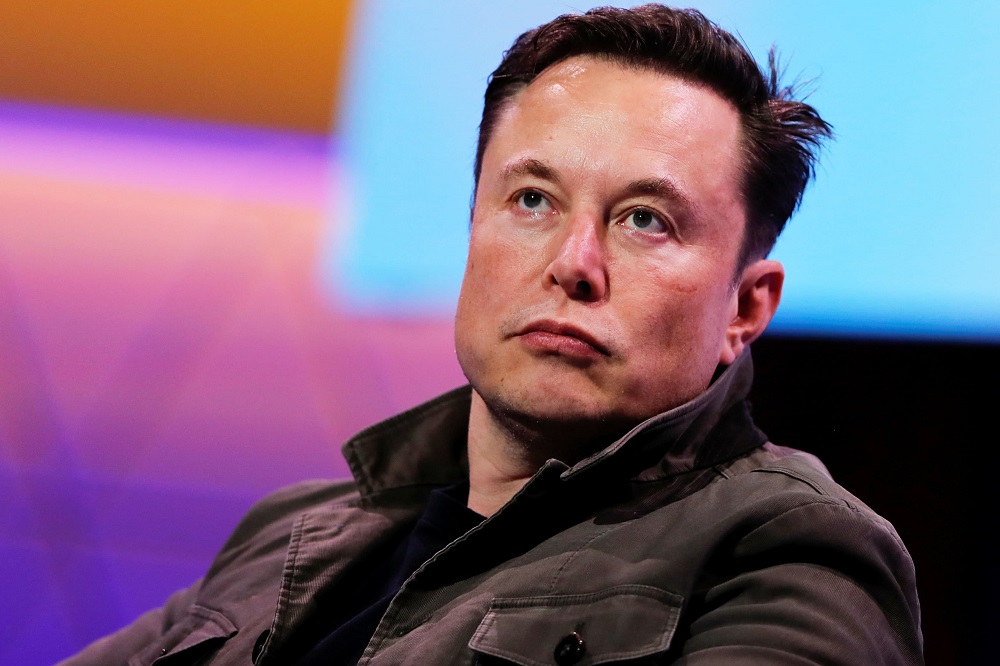
Tech billionaire Elon Musk has announced an ambitious new project dubbed “Terafab,” a massive semiconductor facility he says could become the largest chip manufacturing complex in the world.
The proposed project comes at a time of surging global demand for semiconductors, driven largely by rapid advances in artificial intelligence, electric vehicles, and other high-tech industries.
According to Musk, Terafab is designed to address one of the most pressing challenges in the tech sector: the global chip shortage and reliance on overseas manufacturers. The facility is expected to support production needs across his business ecosystem, including Tesla and other future technology ventures.
Unlike traditional plants, Terafab would function as a fully integrated complex, combining all stages of semiconductor production in one location—from chip design to fabrication, testing, and final packaging. This vertically integrated approach could significantly accelerate development timelines and streamline output.
One of the most striking projections is its potential capacity. Musk suggested the facility could produce between 100 billion and 200 billion chips annually – figures that would rival or surpass output from some of the industry’s leading players.
The announcement reflects intensifying global competition for technological dominance, with semiconductors at the center of innovation in AI systems, autonomous vehicles, robotics, and advanced computing.
Still, industry experts remain divided. While some view Terafab as a bold and potentially transformative move, others question whether such a scale is feasible, given the extreme complexity, cost, and supply chain demands involved in semiconductor manufacturing.