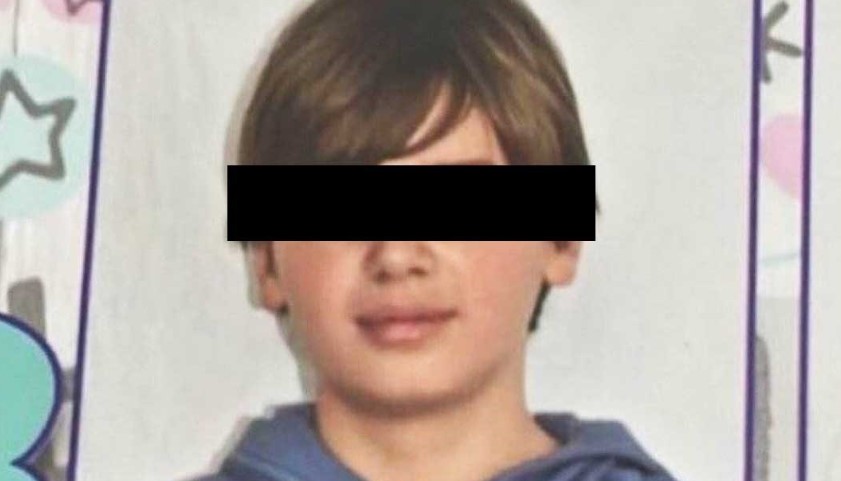
The criminal proceedings connected to the May 2023 mass killing at Belgrade’s Vladislav Ribnikar Elementary School continued on March 25, 2026, when the boy who carried out the attack was again brought before the Special Court in Belgrade to testify in the case against his parents, Miljana and Vladimir Kecmanović. The hearing began in the morning hours and, as in previous sessions, was held behind closed doors, with the public excluded due to the sensitivity of the case and the involvement of minors.
Brought from a psychiatric institution, with heightened security
The boy was transported from the psychiatric institution where he had been held since the attack, under strict police escort and security protocols. This marked the second time he appeared physically before the court since the crime, following his earlier testimony in October 2024. Reports describe a strong police presence around the courthouse, reflecting both the gravity of the case and continued public attention.
The attack that shocked Serbia
The case stems from the May 3, 2023, shooting at Vladislav Ribnikar Elementary School in central Belgrade, one of the most tragic events in Serbia’s recent history. During the attack, the boy used firearms and *killed nine people, including eight students and a school security guard, while several others were injured. The crime took place inside the school building during morning hours, causing nationwide shock, grief, and a prolonged public debate about security, responsibility and systemic failures.
Following the attack, the boy was immediately taken into custody but was not criminally prosecuted due to his age, as he was below the legal threshold for criminal responsibility under Serbian law. Instead, he was placed in a specialized medical institution, while legal proceedings were initiated against his parents.
A trial against the parents remains the central legal process
The ongoing proceedings focus on the potential criminal responsibility of his parents, who are accused in connection with the circumstances that enabled the crime. The boy himself is not a defendant, which makes his testimony a central element of the case. His statements are considered crucial in establishing facts about access to weapons, upbringing, and the broader context surrounding the attack.
According to reports, the court informed him that, as an injured party in the proceedings, he had the legal right not to testify. Nevertheless, he agreed to give evidence. He was first questioned by the presiding judge, after which prosecutors, defense lawyers, and legal representatives of the victims’ families were expected to continue with questions. This structure reflects the complexity and sensitivity of the proceedings, where multiple sides seek clarification of key facts.
He reportedly stood by his earlier account
Media reports indicate that at the start of his testimony, he stated that he stood by what he had already said in earlier proceedings. The hearing reportedly lasted several hours, with at least one break during the session. Due to the closed nature of the trial, detailed information about the content of his testimony remains limited and largely based on indirect reporting.
Parents present: mother with lawyers, father brought from custody
Miljana Kecmanović attended the hearing accompanied by her legal team, while Vladimir Kecmanović was brought to court from detention, where he has remained since his arrest. The presence of the parents in the courtroom, alongside families of the victims and their representatives, further underscored the emotional and societal weight of the case.
Continued public and institutional scrutiny
The Ribnikar case continues to draw intense public attention, not only because of the scale of the tragedy but also due to the broader questions it raises about accountability, prevention, and institutional response. The fact that the boy is testifying again has renewed focus on the legal process, particularly on how responsibility is being examined in the absence of direct criminal prosecution against the perpetrator.
A case that remains one of Serbia’s most sensitive trials
Nearly three years after the attack, the judicial process remains ongoing and complex. The latest hearing highlights that the case is still far from concluded, with the boy’s testimony remaining one of the most important pieces of evidence. While many details remain shielded from the public, the proceedings continue to shape the legal and societal response to one of the most devastating crimes in Serbia’s recent history.