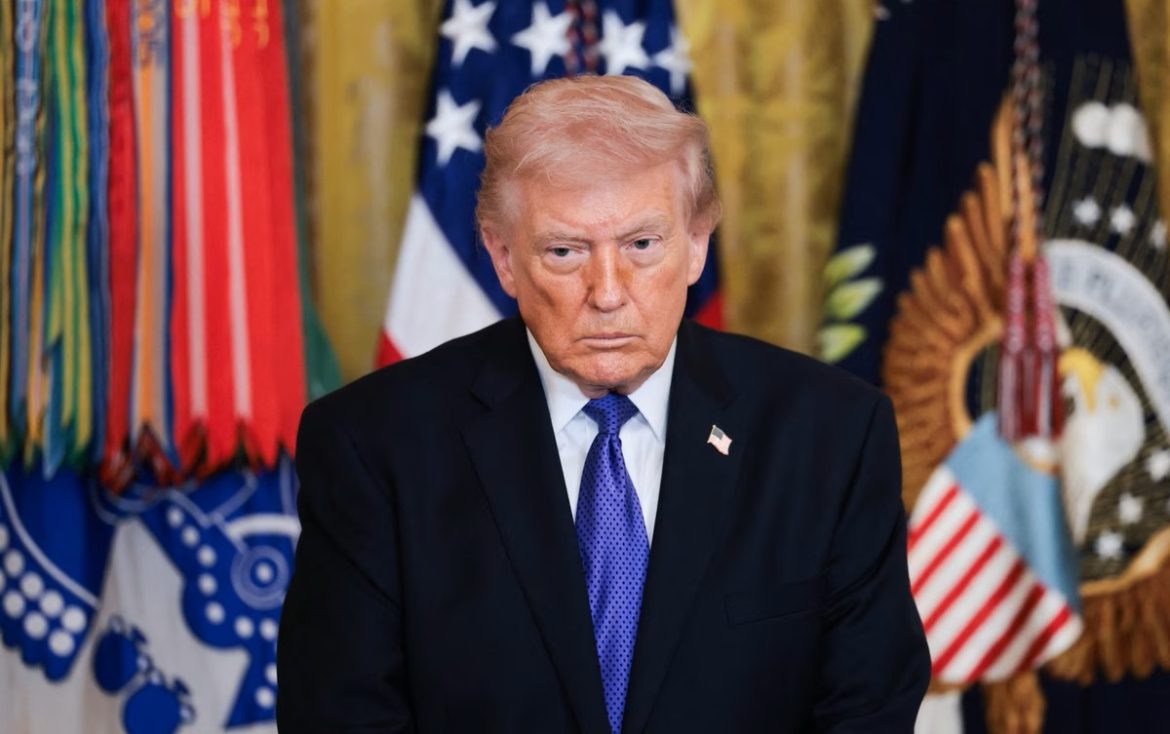
U.S. President Donald Trump said he will extend the deadline for Iran to reach an agreement to end the conflict or face continued threats against its energy infrastructure, pushing the timeline to April 6. He added that talks are progressing “very well,” although Iran has rejected the U.S. proposal as unfair.
The four-week conflict has expanded across the Middle East, leaving thousands dead and sending shockwaves through the global economy, particularly through sharp increases in energy prices that have fueled fears of renewed global inflation.
On February 28, the United States and Israel launched strikes on Iran after negotiations over Tehran’s nuclear program failed to produce an agreement, marking a major escalation in regional tensions.
Speaking during a Cabinet meeting at the White House on Thursday, Trump warned that pressure on Iran would intensify if no deal is reached. He later wrote on the social media platform Truth Social that he would pause threats of attacks on Iran’s energy facilities for 10 days, until April 6.
“Talks are ongoing and, despite inaccurate reporting by the fake news media, they are going very well,” Trump said.
Iran, however, stated that it is not engaged in direct talks with Washington, and Trump did not clarify who the U.S. is negotiating with inside Iran, where several senior officials have reportedly been killed during the conflict.
On March 23, Trump had initially announced a five-day halt to threats targeting power plants and energy infrastructure, but that period has now been extended to 10 days.
According to The Wall Street Journal, citing mediators involved in peace efforts, Iran did not request a 10-day pause. Meanwhile, in an interview with Fox News’ “The Five,” Trump claimed Iranian representatives had asked for a seven-day delay in potential strikes, something Tehran has not publicly confirmed.
Iran has warned it would retaliate against energy infrastructure across the Gulf region if the U.S. follows through on its threats, raising fears of a broader regional escalation.
Broader implications
Analysts warn that any retaliatory attacks on civilian energy infrastructure could severely disrupt global oil and gas supplies, particularly in the strategically vital Gulf region. This could lead to further spikes in energy prices, intensify inflationary pressures worldwide, and destabilize already fragile economies.
There are also growing humanitarian concerns. Damage to power grids and water systems could affect millions of civilians who rely on electricity for basic services, including healthcare and access to clean drinking water.
Diplomatic efforts by international actors, including European and regional mediators, are expected to intensify in the coming days in an attempt to prevent further escalation and bring both sides back to the negotiating table.