Global oil prices surged on Monday, with Brent crude oil climbing more than 3% and approaching the $120-per-barrel mark, as fears grow of a prolonged supply disruption driven by escalating conflict in the Middle East.
The rally is being fueled by rising expectations that the United States could launch a ground offensive in Iran, significantly intensifying an already volatile regional war involving Israel.
Markets have reacted sharply to developments around the Strait of Hormuz, a critical chokepoint for global energy flows. Disruptions there have effectively cut off nearly a fifth of worldwide oil and liquefied natural gas shipments, triggering what analysts describe as an unprecedented supply shock.
West Texas Intermediate crude also rose above $100 per barrel, reflecting tightening global supply and mounting geopolitical risk premiums.
Tensions escalated further after Iranian officials warned they are prepared for a potential U.S. ground invasion. Mohammad Bagher Ghalibaf signaled a harsh response, stating that Iranian forces are ready to retaliate against any foreign troops entering the country.
Meanwhile, Iran-backed Houthi movement forces expanded the conflict by launching missiles toward Israel, while Israeli operations intensified in southern Lebanon, raising fears of a broader regional spillover.
The conflict, now in its fifth week, has already driven oil prices up nearly 60% since its onset, pushing fuel costs higher worldwide and forcing several governments to introduce emergency energy-saving measures and subsidies to cushion the economic impact.
According to Onyx Capital Group CEO Greg Newman, the full impact of the disruption is only beginning to be felt. He noted that physical oil supply chains take weeks to reflect shortages, particularly in Europe, and warned that prices could continue climbing beyond $120.
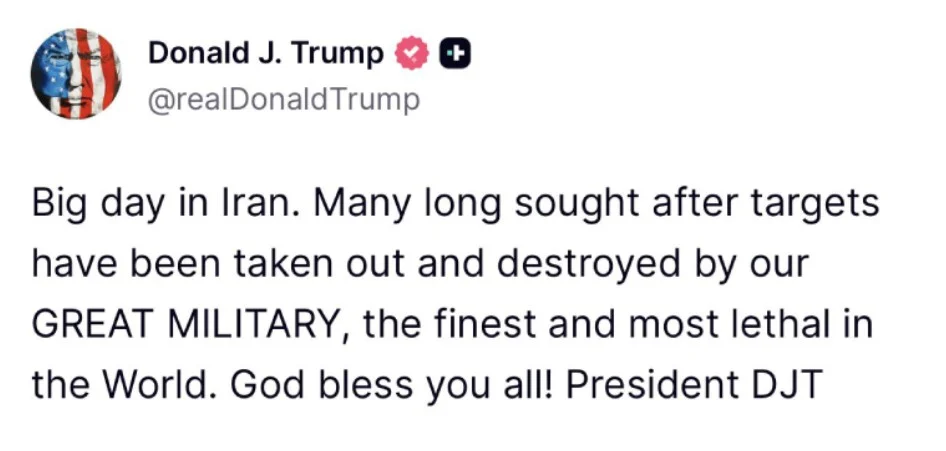
U.S. President Donald Trump has threatened to target Iran’s energy infrastructure if Tehran does not relinquish control over the strait, setting a deadline in early April. At the same time, Washington is reportedly preparing for extended military operations, including the deployment of thousands of troops aboard the USS Tripoli.
Diplomatic efforts are ongoing, with Pakistan expected to host talks aimed at de-escalation. However, Tehran has rejected U.S. proposals and insists on conditions including reparations and recognition of its strategic control in the region.
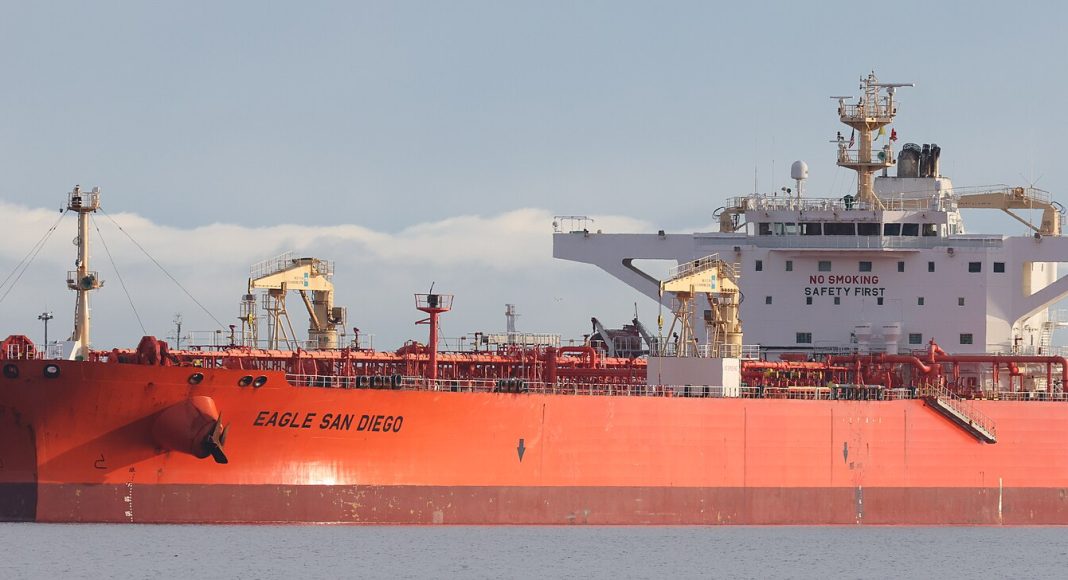
Despite limited vessel movement still allowed through Hormuz, primarily for ships not aligned with the U.S. or Israel, traffic remains far below pre-war levels, keeping markets on edge and reinforcing expectations of continued price volatility in the weeks ahead.