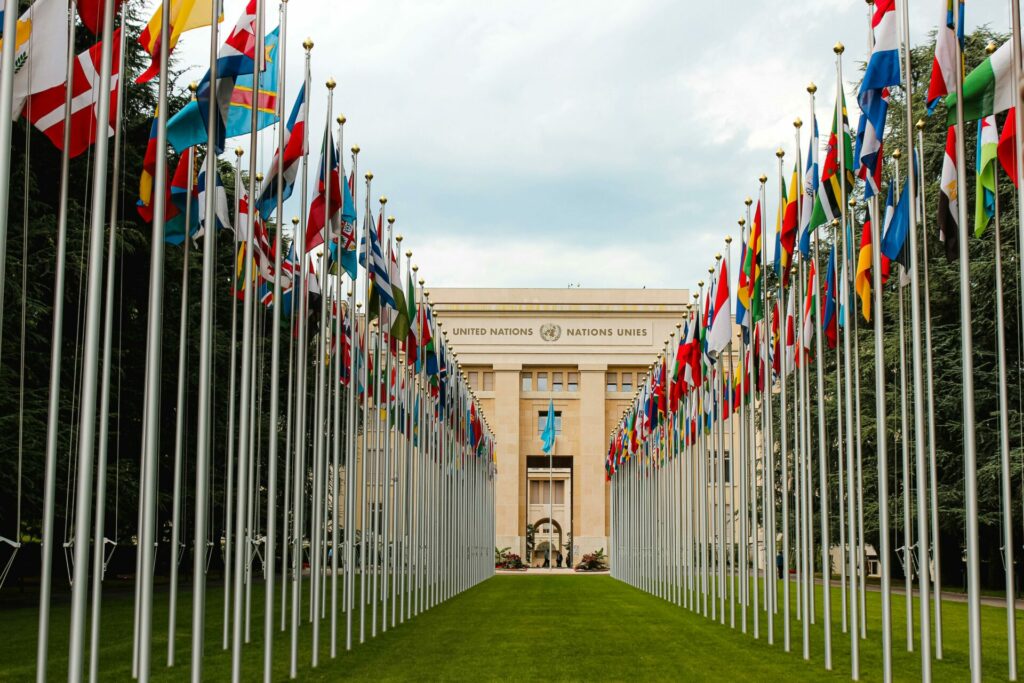
The UN Security Council is debating measures to protect navigation in the Strait of Hormuz, but China has opposed the use of force, complicating the adoption of a resolution.
The Security Council of the United Nations is expected to vote today on a resolution aimed at ensuring the safety of commercial shipping through the strategic Strait of Hormuz. However, the document has been significantly watered down due to China’s opposition to authorizing the use of force.
The initiative comes as the conflict between the United States, Israel, and Iran has lasted for more than five weeks, with Tehran largely restricting access through the strait—a key route for global oil transport—already causing a rise in energy prices.
No agreement despite multiple drafts
Efforts led by Bahrain, which currently holds the presidency of the Security Council, have included several versions of the resolution in an attempt to overcome disagreements with China, Russia, and other members.
According to diplomatic sources, the latest version completely omits the possibility of using force. Instead, it calls on states to coordinate “defensive and proportionate measures” to ensure the safety of navigation.
These measures could include escorting commercial vessels, as well as actions to prevent blockages or disruptions to international maritime traffic.
Difficult majority and risk of veto
To adopt the resolution, at least nine votes in favor are required, along with no veto from the five permanent members—the United Kingdom, China, France, Russia, and the United States. Although the softened version has a better chance of passing, diplomats warn that the outcome remains uncertain.
A previous draft, backed by the United States and Gulf countries, included the use of “all necessary defensive means” but was delayed due to strong opposition from Beijing.
China warns of escalation
Chinese officials have made it clear that approving the use of force would mean “legitimizing unlawful and indiscriminate use of force,” which, according to them, would inevitably lead to further escalation and serious consequences.
Foreign Minister Wang Yi stated that China will continue to cooperate with Russia within the Security Council to reduce tensions and achieve a ceasefire.
A key point for the global economy
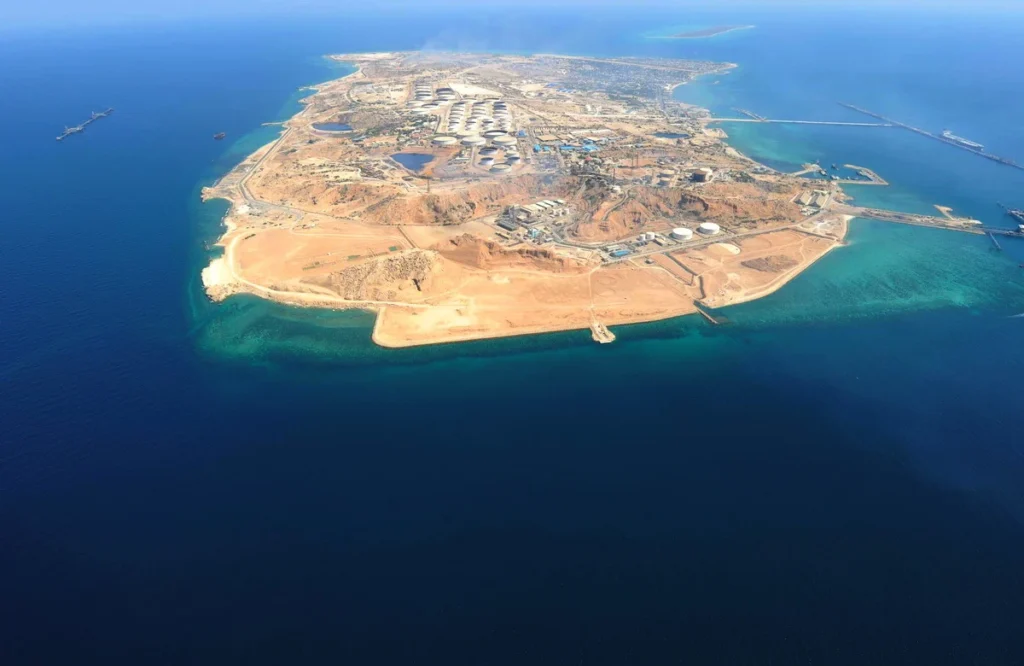
The Strait of Hormuz is one of the world’s most important energy arteries, through which a significant portion of the global oil supply passes. Its disruption has a direct impact on global markets. China, as the largest importer of oil passing through this route, has a strong interest in stability while at the same time opposing a military solution.
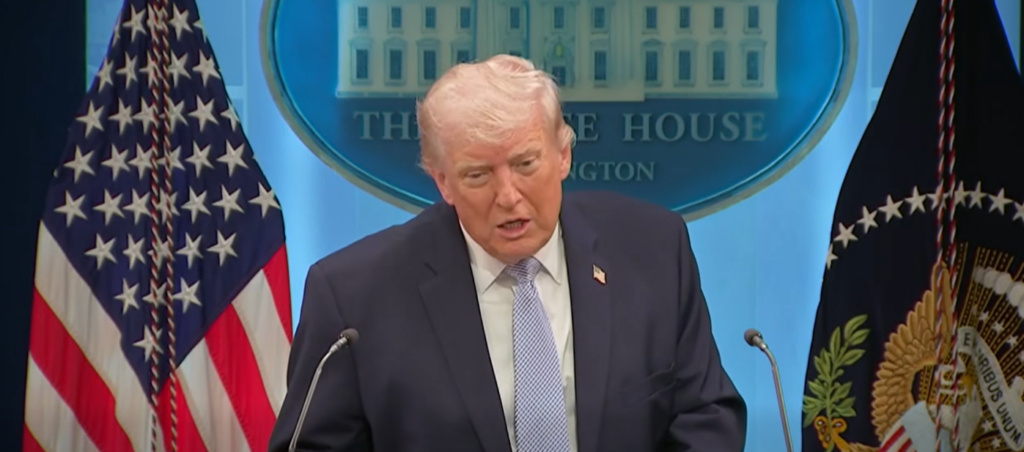
Meanwhile, Donald Trump has again warned that Iran could face serious consequences if it fails to meet his deadline for an agreement, further increasing uncertainty in the region.