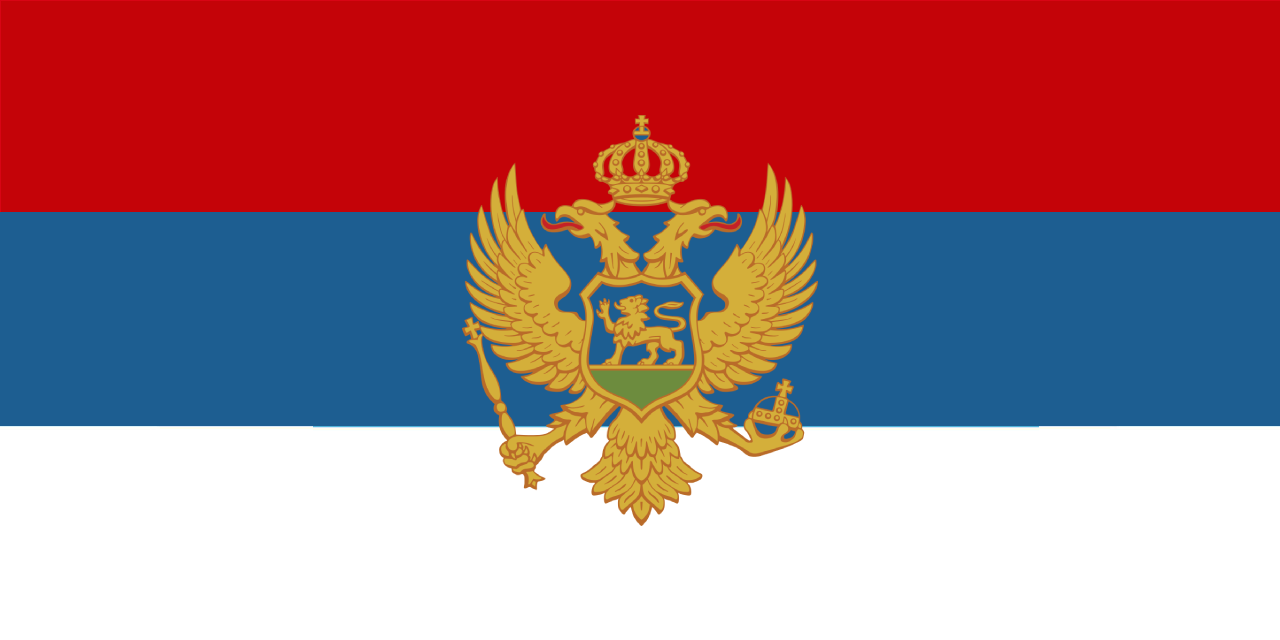
Montenegro’s parliament refused to place on its agenda a proposal to discuss changing the country’s state symbols, rejecting an initiative by the opposition Democratic People’s Party to introduce the historic red-blue-white tricolor as what was described in the reports as a “national flag.” The proposal did not pass the procedural stage, meaning parliament did not open a formal debate on the issue.
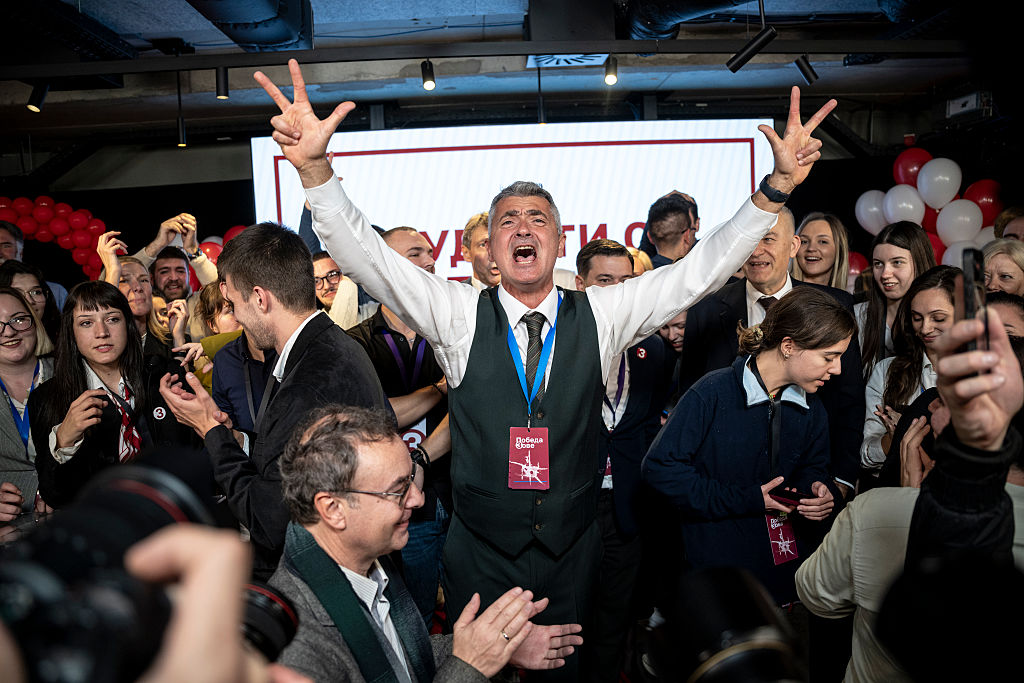
According to the reports, the initiative was backed by the Democratic People’s Party, New Serb Democracy, and the Socialist People’s Party, while members of the ruling Europe Now Movement were largely restrained rather than openly supportive. In the recorded vote, 21 MPs supported the proposal, 23 voted against it, and 13 abstained, which was enough to block the effort from entering the day’s parliamentary agenda.
Milan Knežević and his party argued that the tricolor represents a historical, national, and spiritual continuity linking old Montenegro with present-day Montenegro. The party said restoring the historic tricolor as a national flag would not call the current state flag into question, would not threaten the constitutional order, and would not exclude any identity, but would instead institutionally recognize historical continuity and identity pluralism.
The reports note that for much of the 20th century, Montenegro’s flag was a red-blue-white tricolor, nearly identical to the Serbian one. They also emphasize that the current Montenegrin state flag is the red flag with the coat of arms in the center and a gold border and that it was adopted by parliament on July 12, 2004.
A central element in the dispute was the position of the ruling Europe Now Movement, which said identity issues of this kind should not take precedence over the country’s European agenda. According to the reports, the party argued that matters requiring wider social consultation should be addressed only after the fulfillment of Montenegro’s obligations related to European integration. It linked that position to the government’s “Barometer 26” platform, presented by Prime Minister Milojko Spajić in December 2024, which aims to accelerate reforms and close the remaining EU negotiation chapters by the end of 2026.
Taken together, the reports show that the dispute over the tricolor has remained politically charged but that the current parliamentary majority was not ready to open a formal institutional debate on changing state symbols at this stage. The outcome leaves the existing flag unchanged while also showing that the question of historical identity and symbolism remains a live issue in Montenegro’s political life.