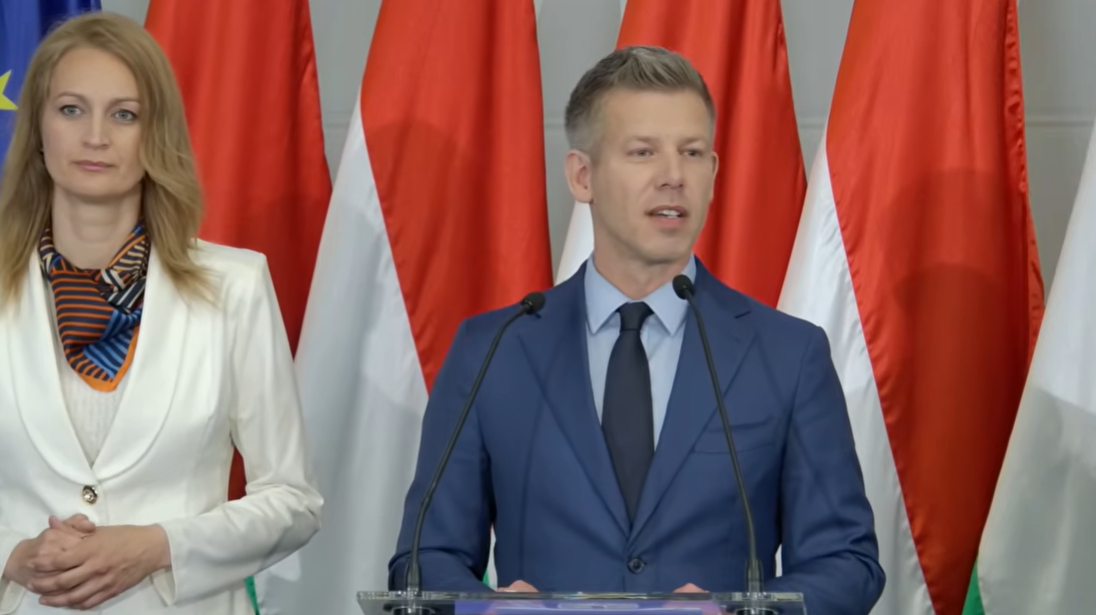
Hungarian politician Péter Magyar has called for an expansion of the Visegrád Group, proposing that Croatia, Slovenia and Austria join the existing format in what he describes as a new “V8” platform. The idea is being viewed as a move to build a wider Central European alliance with a stronger voice inside the European Union.
The Visegrád Group was founded in 1991 by Poland, Hungary and Czechoslovakia, later becoming a four-country bloc after the division of Czechoslovakia into the Czech Republic and Slovakia. Originally created to coordinate reforms and support Euro-Atlantic integration, the group now operates in a very different political environment.
According to Magyar, the region needs a new strategic framework that reflects current European challenges. In that context, Croatia, Slovenia and Austria are seen as countries that could widen the group’s political reach and reinforce cooperation on key regional issues.
For Croatia, such a proposal opens a broader debate about whether participation in an expanded bloc could strengthen its role in European decision-making or tie it more closely to a framework that has recently faced friction with parts of the EU.
The initiative is therefore being interpreted as more than a symbolic diplomatic proposal. It suggests an effort to reshape Central Europe’s political positioning and create a more coordinated regional grouping with greater influence on European affairs.