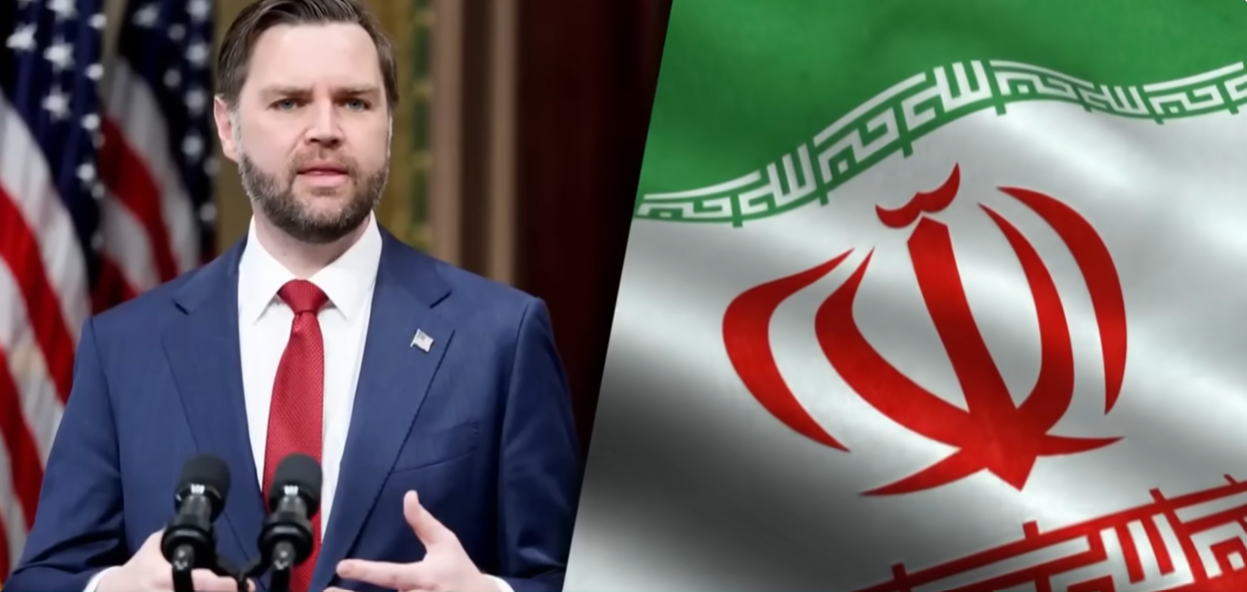
Relations between the United States and Iran have moved into a tense new period marked by cautious restraint, but little real trust. Although President Donald Trump’s decision to extend the ceasefire has, for now, reduced the immediate risk of renewed fighting, the broader confrontation remains unresolved and highly unstable.
The extension of the truce appears to be less a sign of genuine de-escalation and more the result of intensive behind-the-scenes diplomacy, with Pakistan playing a central mediating role. Efforts led by Prime Minister Shehbaz Sharif and army chief Asim Munir have focused on preventing the crisis from sliding into a wider regional war and creating space for a possible Iranian proposal.
Even so, the diplomatic window remains narrow. Public messaging from both Washington and Tehran continues to reflect deep strategic differences, suggesting that the path ahead could still lead either toward a broader political arrangement or a return to open confrontation.
The United States is approaching the talks from what it sees as a strengthened position, pointing to the impact of its maritime pressure campaign. American officials are reportedly insisting on several core conditions, including the removal of Iran’s stockpile of uranium enriched to 60 percent or more from the country and guarantees that such material will not be diverted for military use. Another major priority is the security of the Strait of Hormuz. Washington wants assurances that Iranian forces will not threaten commercial shipping, that maritime explosives and unmanned naval assets will be dismantled, and that the waterway will remain open under all circumstances.
Iran, however, has tied any political progress to the full lifting of the naval blockade, sanctions pressure and vessel seizures. Tehran is also pushing for negotiations to take place in Islamabad. Iranian sources say the country could consider a temporary freeze of its nuclear activities if its right to enrich uranium for civilian purposes is recognized and if compensation is addressed for damage sustained during the conflict.
At the same time, Iranian officials continue to frame security in the Gulf and the Strait of Hormuz as a matter that should be handled solely by regional states, rejecting outside involvement. Control over the strait remains a central sovereignty issue for Tehran, which has made clear it does not intend to negotiate under pressure or accept what it describes as a policy of humiliation.
Pakistan, meanwhile, is trying to keep the diplomatic track alive by balancing two difficult tasks: encouraging Tehran to clarify and strengthen its proposals while also persuading Washington to allow more time for talks. But even as mediation continues, Iran’s Revolutionary Guard has signaled that its forces remain on full alert, warning that any renewed escalation could trigger a strong response against what it considers hostile targets.
For now, the guns may be silent, but the crisis is far from over. The ceasefire has created a pause, not a settlement, and the coming days may determine whether that pause becomes the start of meaningful diplomacy or only a short break before the next phase of conflict.